

Nominee Summary
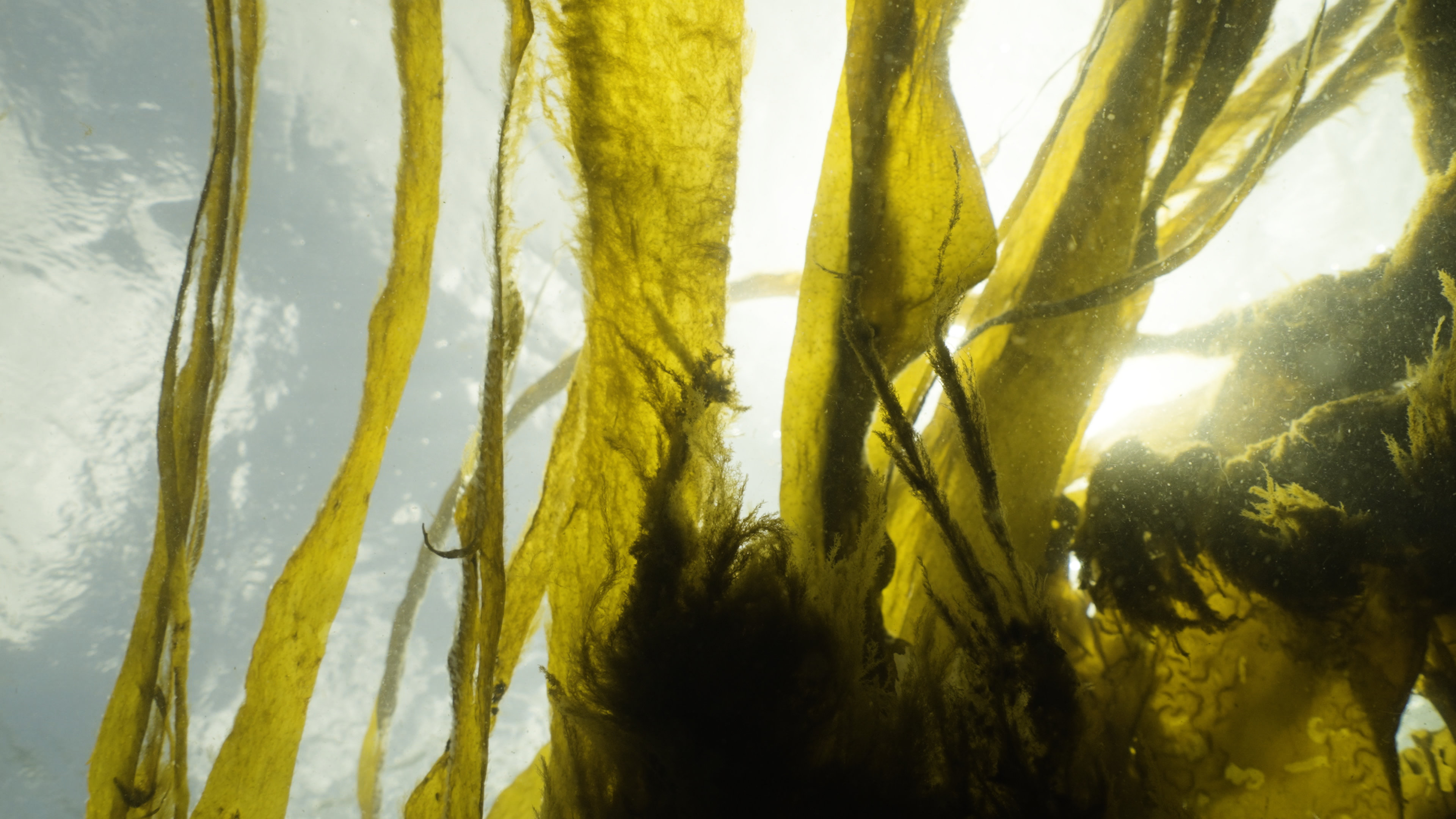
AML specialises in the sustainable cultivation of seaweed for agricultural biostimulants, animal feed additives and human consumption. The business employs Integrated Multi-Trophic Aquaculture (IMTA), a system that combines species from different trophic levels to create a balanced and efficient ecosystem. By integrating Scotland’s aquaculture expertise with contemporary scientific research, AML develops innovative and scalable mariculture solutions. AML also designs and constructs bespoke multi-trophic systems suitable for small coastal enterprises and large-scale commercial farms. Liquid Kelp™, a crop biostimulant and soil restorer, is AML’s flagship product made from sustainably farmed kelp from their seaweed farms off the west coast of Scotland.
What was the motivation behind the work which was undertaken?
Atlantic Mariculture was established in response to a desire to develop aquacultural solutions for agriculture which itself through global conflict and domestic regulation is having to look for sustainable low carbon inputs as an alternative to inorganic synthetic fertilisers. Synthetic fertilisers contribute to soil acidification, reduced organic matter, and the disruption of beneficial microbial communities. In addition, fertiliser runoff contaminates freshwater and marine ecosystems, leading to eutrophication and algal blooms that exacerbate greenhouse gas emissions and climate change. The company promotes seaweed-based organic biostimlants and fertilisers as a sustainable alternative. The seaweed products release nutrients gradually, improving soil structure, water retention, and microbial activity while reducing nutrient leaching and chemical pollution. This results in improved crop resilience and long-term soil health. A further motivation is the underutilisation of Scotland’s extensive coastline. Significant opportunities exist to develop sustainable kelp farming that supports environmental restoration while contributing to a low-impact, circular bioeconomy.
Overcoming Challenges
AML has addressed a range of technical, environmental, and regulatory challenges associated with sustainable seaweed cultivation: • System design: Developing environmentally low-impact and economically viable systems in exposed coastal environments was addressed through the use of IMTA which improves nutrient efficiency and reduces waste. • Environmental variability: Fluctuating sea temperatures, weather exposure, and biofouling challenges were mitigated through adaptive farm design, site-specific monitoring, and informed species selection. • Regulatory complexity: The business engaged proactively with regulators and research bodies to ensure compliance with aquaculture licensing and environmental protection requirements. • Market awareness: Limited understanding of seaweed-based fertilisers was addressed by demonstrating product quality, evidence-based benefits, and the scalability of the farming systems. • High Production Costs: The combined costs of cultivation, harvesting, pre-processing, and conversion can make seaweed-derived products less competitive with established alternatives. Economies of scale and technological advancements are needed to bring down production costs. • Preservation Challenges: Historically, drying seaweed in small volumes has been effective as a method of long-term preservation. In larger volumes, drying efficiently and hygienically can be challenging due to costly energy requirements and high-water content in kelp. AML are exploring have developed an acid-based preservation technique to preserve the kelp at the point of harvest resulting in a record UK cultivated sugar kelp harvest of 80t in 2026 for development into biostimulant over the coming months and move the business to revenue. • Integration with Existing Industries: AML has strong partnerships across multiple industries seeking to improve awareness and routes to market.
Including the community
Community engagement is integral to Atlantic Mariculture’s operational approach: • Local employment: The business supports coastal economies by creating skilled employment opportunities within sustainable aquaculture. • Accessibility: Modular system design lowers barriers to entry, enabling participation by small-scale and community-based operators. • Collaboration: Atlantic Mariculture works with academic institutions, industry partners, and local stakeholders to support research, training, and knowledge exchange. • Public engagement: The company promotes awareness of the environmental and nutritional benefits of seaweed through education and outreach activities. • Local supply chains: By producing seaweed locally for food and fertiliser, the business strengthens regional supply chains and contributes to a circular bioeconomy. This community-focused approach supports long-term social, environmental, and economic resilience.

