Nominee Summary
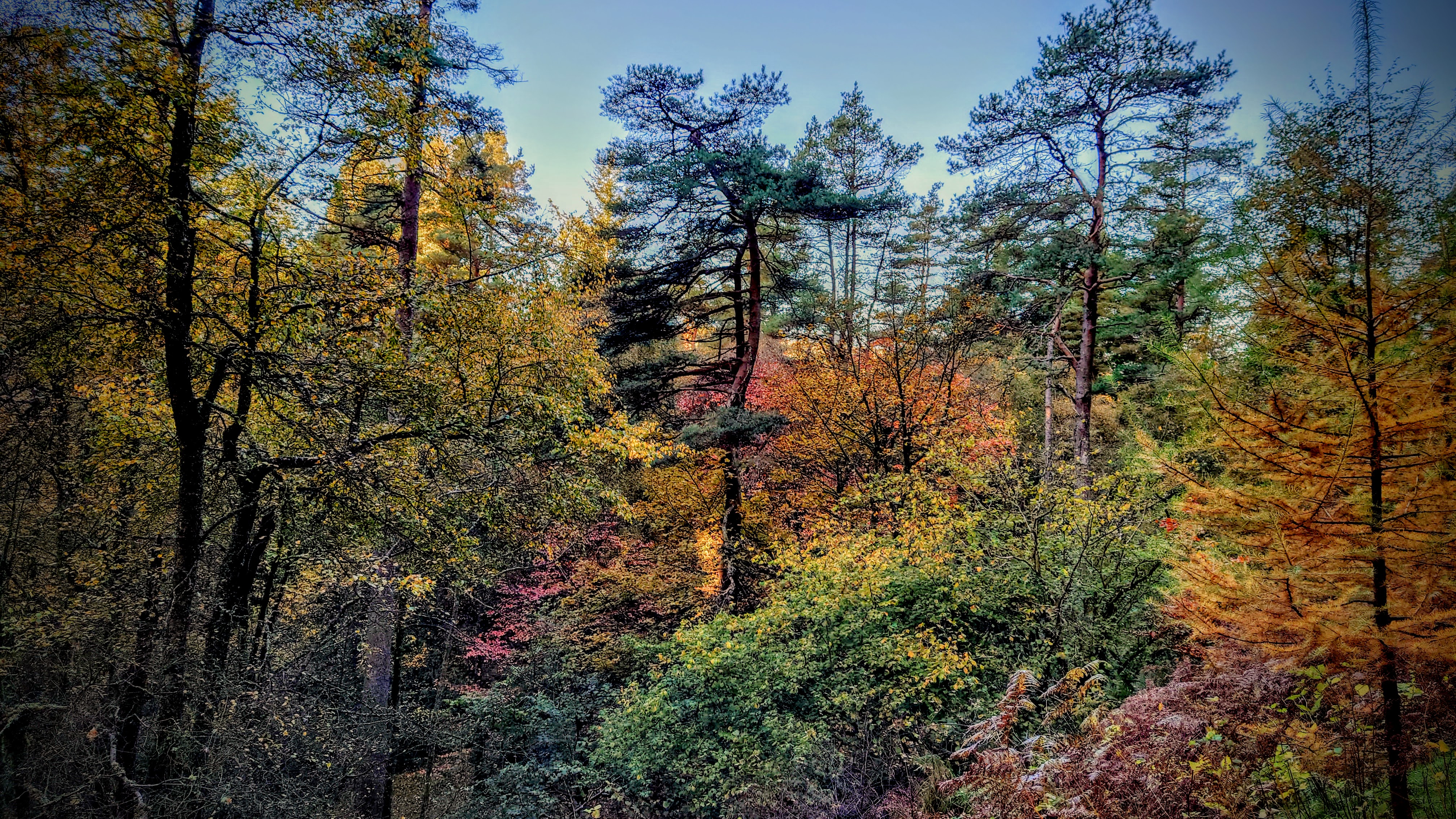
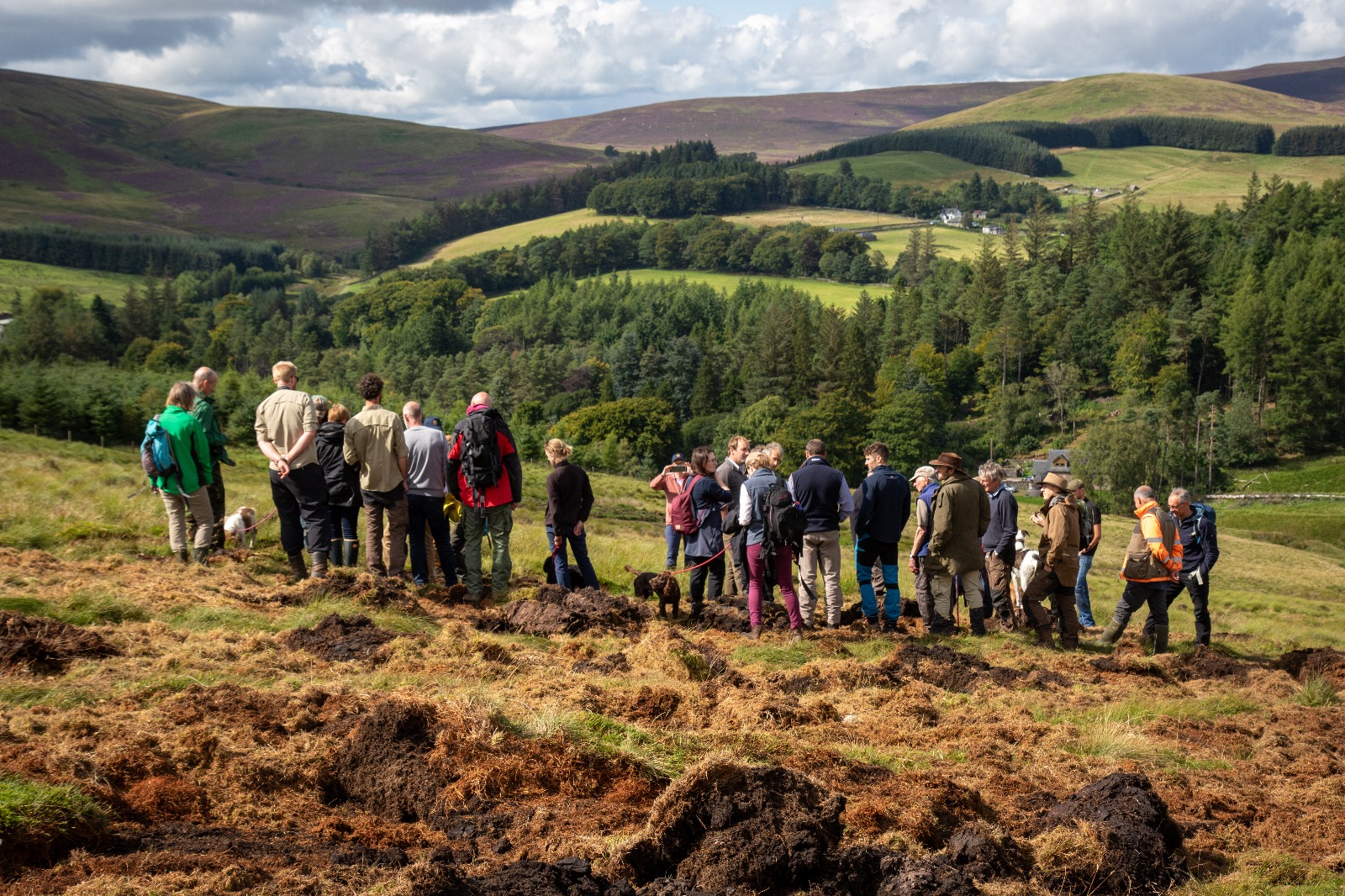
Nominee Summary. Baddinsgill is a typical hill farm, extending to 1616 hectares, and purchased by the Marshall family in 1912. The farm comprises principally of heather moorland. What sets Baddinsgill apart from other hill farms is the use of woodland to boost the economy of the land. Both Gavin and Nick, father and son, (4th and 5th generation) believe passionately in the integration of farming and forestry – the two should never be practised independently! – and have worked hard to demonstrate that farm woodlands can not only be profitable, but can be managed in conjunction with a hill flock.
What was the motivation behind the work which was undertaken?
The motivation was simple – to take the existing areas of woodland, extend them, add further new areas, and bring the whole back into management – whatever it might take to ensure that they were not just a benefit to the landscape and wildlife, but that they should be genuinely multi purpose, while at the same time ensuring that they made an impact on the bottom line of the accounts.
Overcoming Challenges
We all love our woods, but the main challenge was to make them genuinely profitable. Typically, we have areas of policy woodland, which must be retained for a variety of reasons – for the shelter which they afford to the homestead, for difficulty of access, importance to wildlife and the environment, and the beauty of having open but mature woodland around the houses. In addition all of our woods on Baddinsgill form the basis of a small but enjoyable shooting enterprise – typically non profit making but important nonetheless. The main way in which we have overcome these challenges is to increase the area of woodland, planting larger areas while still ensuring that the whole fits with the hill farming enterprise. Consideration therefore was given to scale, cost per planted hectare, length of new fencing required, access, and increased shelter provided. At the same time, choice of species was crucial. There are two critical ways in which we have addressed challenges: • With our use of compact, low ground pressure machinery, to maximise income from thinnings while minimising impact, and • Our conversion of timber on site, to benefit from a strong local demand for wood for fuel. And of course the main challenge is getting the management of the woodlands into some sort of rotation, and thereby overcoming the long wait between the time of planting and harvesting! Sadly one of the biggest challenges to current woodland establishment is negotiating the bureaucracy associated with the planning of new woodlands.
Including the community
The community have been included through discussion of future plans with the community council, through the involvement of local schoolchildren in several planting schemes, through the planting of memorial trees following the Dunblane tragedy, and an intention to include schoolchildren in the next planting scheme. Baddinsgill Farm is actively involved in the Pentland Hills Cluster group, though which collaborative working is being used to achieve landscape scale benefits to wildlife and biodiversity while looking to build another sustainable income stream for these hill farms. Much of this will be achieved through the planting of additional riparian, montane and other woodland areas, as well as peatland restoration, wetland creation and hedge planting. This farmer lead approach will deliver wide ranging benefits while protecting the cultural heritage of hill farming. However the community are also kept involved and updated through an active social media outlet. Signposting helps us to welcome walkers, horse riders and cyclists to the farm. We play host to varied anglers and wild swimmers, and work closely with Friends of the Pentlands.