
Nominee Summary
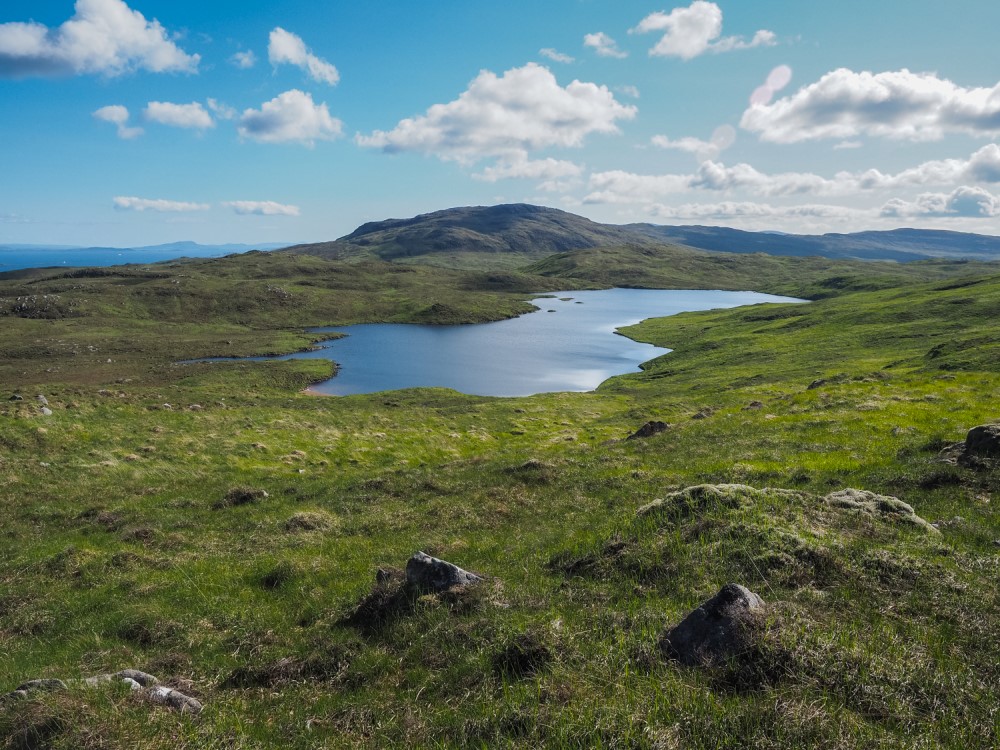
Glensanda Quarry demonstrates how large‑scale industry can deliver significant biodiversity gains alongside operations. Covering 2,630 hectares, the site supports a diverse range of habitats and has achieved The Wildlife Trusts’ Biodiversity Benchmark accreditation, the largest site in the UK to do so. Guided by a robust Biodiversity Action Plan, the project focuses on habitat restoration, native woodland expansion, and protection of priority species. Ongoing investment, including new woodland planting and active land management, ensures long‑term environmental enhancement. Glensanda exemplifies partnership working and a sustained, landscape‑scale commitment to helping nature thrive.
Reduction of carbon footprint
Glensanda Quarry demonstrates a strong commitment to reducing its carbon footprint through integrated land management, habitat creation, and long-term environmental investment. Central to this approach is the expansion of native woodland across the estate, with planting programmes introduced in 2012 and extended in 2024, alongside plans for over 50 hectares of additional woodland. These initiatives contribute directly to increased carbon capture and long-term sequestration while enhancing biodiversity. The site’s scale—spanning 2,630 hectares—enables a landscape-level approach, where carbon reduction is embedded within wider ecosystem restoration. By restoring habitats such as woodland, peatland, and coastal environments, Glensanda strengthens natural carbon sinks while improving resilience to climate change. Operationally, Holcim UK incorporates sustainable practices aligned with its broader circular economy strategy, focusing on responsible resource use, efficient production, and minimising waste. Biodiversity management measures, including grazing control and habitat enhancement, further support ecosystem health and carbon storage capacity. The Biodiversity Benchmark accreditation reflects not only ecological improvements but also a measurable, strategic approach to sustainability. By integrating carbon reduction with biodiversity objectives through its Biodiversity Action Plan, Glensanda Quarry provides a leading example of how industrial sites can actively reduce their environmental footprint while delivering long-term climate and nature benefits.
Overcoming challenges
Glensanda Quarry has successfully overcome a range of environmental and operational challenges to deliver meaningful biodiversity and carbon outcomes within a large, active industrial site. Operating in a remote and ecologically sensitive landscape, the project has had to balance large‑scale granite extraction with the protection and enhancement of diverse habitats, including woodland, peatland, and coastal environments. One key challenge has been restoring and expanding habitats while maintaining efficient operations. This has been addressed through a carefully planned Biodiversity Action Plan, informed by ecological surveys and aligned with national conservation priorities, ensuring that environmental improvements are both targeted and measurable. Managing grazing pressure from deer and sheep has also required active intervention to allow regeneration of native woodland and support species recovery. In response, the site has introduced coordinated land management measures, enabling new planting and natural regeneration to succeed. Additionally, delivering long-term change across such a large estate has required sustained investment and commitment. Securing funding for over 50 hectares of new woodland planting demonstrates how these barriers have been overcome through forward planning and partnership working. Through these efforts, Glensanda has transformed challenges into opportunities, embedding biodiversity and sustainability into the core of its operations.