Submission Details ------------------
Nominee Summary
Highlands Rewilding enables nature recovery and community prosperity through rewilding in Scotland. They are a science-led land management company that implements nature-based solutions to increase carbon sequestration, grow biodiversity, create new green jobs and generate sustainable profit for purpose. In doing so, Highlands Rewilding seeks to demonstrate that nature restoration can provide a revenue stream through verifiable natural capital uplift, underpinning sustainable rural businesses and resilient local economies. Community and visitor engagement is a key to this approach, and the Great Glen Way project allows locals and tourists to experience rewilding in action.
What makes your nominee stand out?
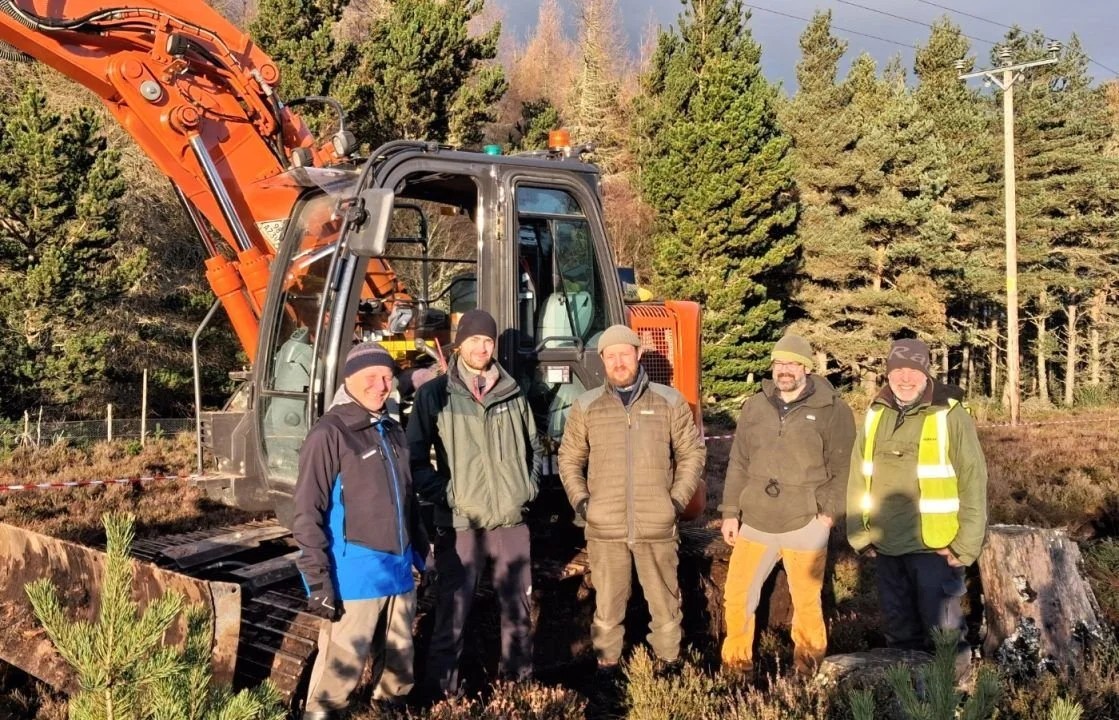
This nomination is for a project that has overcome substantial challenges, involving the creation of a new section of the Great Glen Way through Bunloit, near Drumnadrochit. The project has been a collaboration between land managers Highlands Rewilding and The Highland Council’s Long Distance Routes Team, delivered by path builders Hitrak Ltd. Highlands Rewilding manages 500 hectares at Bunloit, focusing on ecological restoration and the local benefits that it can bring. Approximately 7,000 people pass through the estate every year on the Great Glen Way, one of Scotland’s designated Long Distance Routes. For many years the route has been mostly along the narrow, hilly Bunloit road, with limited opportunity for users to escape tarmac and traffic. This has meant, ironically, that people using one of Scotland’s foremost trails, passing through some of Scotland’s most distinctive environments, have to use a route that is enclosed, dangerous and even, according to many users, boring. Improving this situation has not been easy. Off-roading a major trail to the standards needed for multiple usage is difficult and expensive. It has also needed to strike a balance with the demands of a working estate on which sensitive habitats are being restored, wild animals and livestock are being managed, forestry works are underway, and long-term scientific experiments and monitoring are being conducted. This has required careful design and a great deal of effort, by The Highland Council’s project team working with Highlands Rewilding staff, to get the project off the page and onto the ground.
Changes that have been implemented
This nominee and project stand out in delivering a major scheme that illustrates a progressive model of land management, balancing increased public access, the needs of a working Highland estate, and ecological restoration. In re-establishing old routes through little-visited areas of Bunloit, it also helps to link people back to their local environment and heritage. Although Highlands Rewilding operates as a commercial company, both the business and the landowners chose to take no payment for the land and the staff time that they put into the project. This represents a significant benchmark for private investment into Scotland’s national trail network for public benefit. The construction of the path further sets this project apart. Designed to be accessible on foot, bike and horse, the new path encourages a wider range of users, including those normally unable or unused to reaching wilder areas. In expanding not only the scale but also the type of access, the project fits well with Highlands Rewilding’s emphasis on widening the benefits of nature, including for mental wellbeing. This is also the focus of a long-term collaboration with the Highland Mindfulness Group and Nature 4 Health on Bunloit. Information panels are planned to increase the environmental and cultural interest of the route, re-familiarising people with the names, values and habitats of the landscape that they pass through. Finally, sensitive construction by Hitrak Ltd has ensured that the trail is both durable and consistent with the protection of fragile environments.
Overcoming challenges
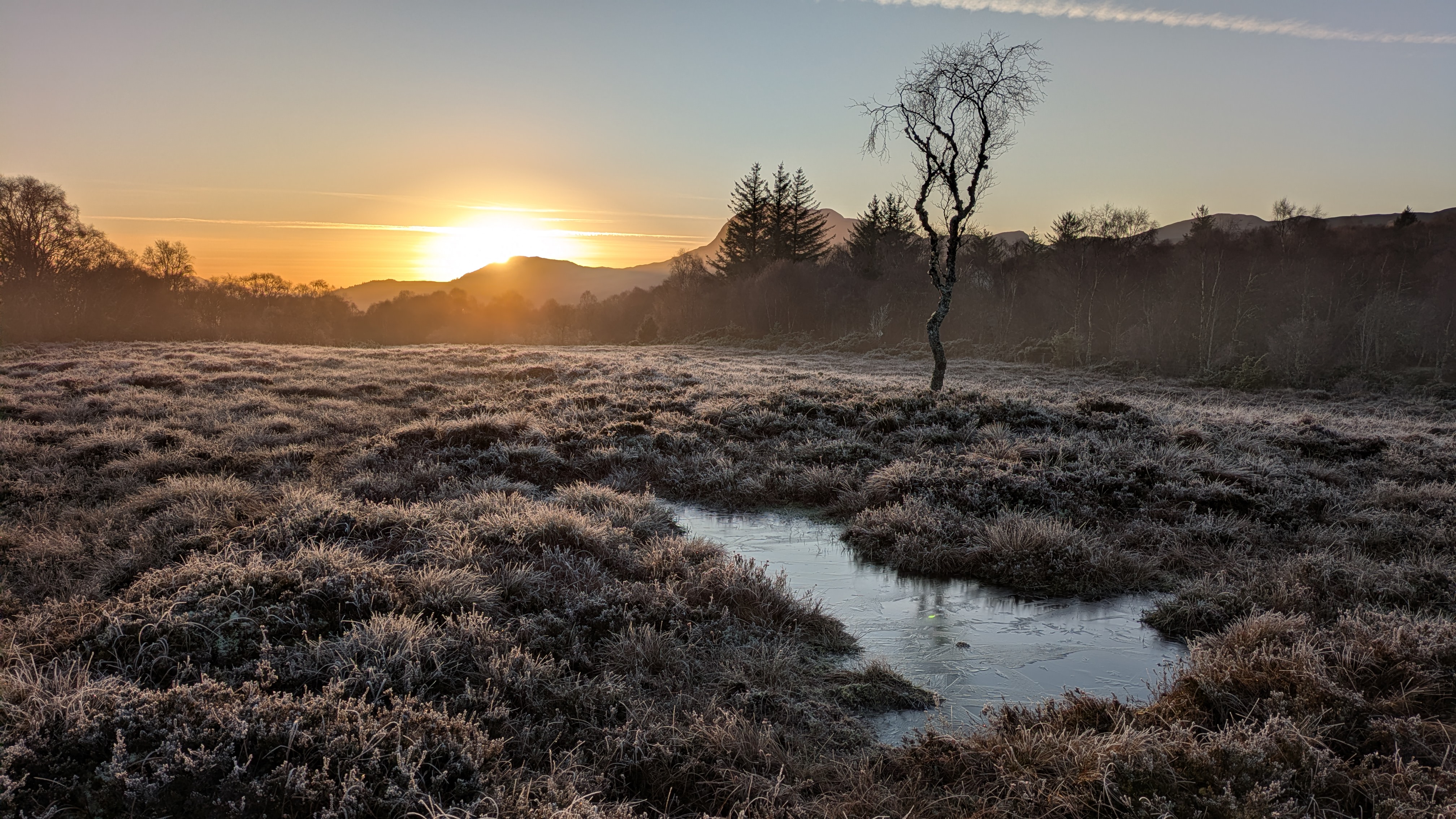
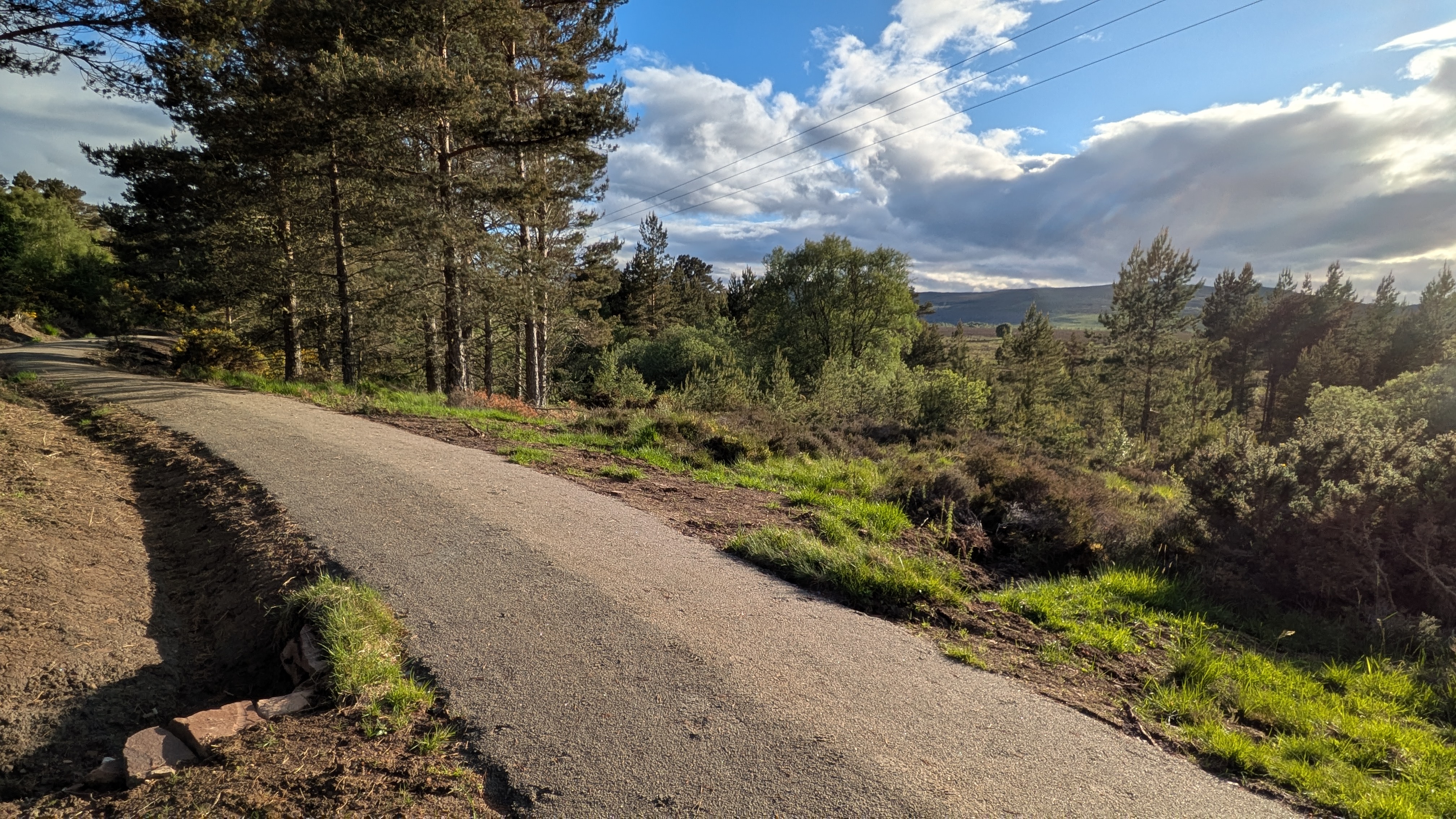
The project has successfully delivered a new, multi-use section of the Great Glen Way traversing more than three kilometres off-road. Built to high standards, the path safely accommodates users of all abilities. By removing the route from the road, the path encourages slow tourism, allowing people to experience the landscape and learn about its past, present and future. Educational information boards are planned to deepen this engagement. Among its users there will also be the local school groups, university field trips, professional bodies and ecologist visitors that Bunloit regularly hosts. The new path starts after an initial climb out of Drumnadrochit, going up through an area of young native woodland, in which 25,000 trees from local seed stocks have been planted on the site of clear-felled conifer plantation. The path then enters established pine woods of plantation origin, before emerging onto Bunloit’s upland blanket bogs. Here, open views soon emerge to the south and west, particularly of Meall Fuar-mhonaidh, the nearby hill that stands sentinel over Loch Ness far below. The route then takes in some heath and regenerating native woodland, where Curlew, Snipe, Crossbills, Crested Tits and the occasional Red Squirrel and Pine Marten may be heard or seen by those with sufficient luck and good timing. The path finally runs alongside a peatland restoration site and across a more natural peatbog, in which newts and dragonflies thrive, showing what the restoration is working towards. The path finally rejoins the road near the far end of Bunloit estate.