Submission Details ------------------
Nominee Summary
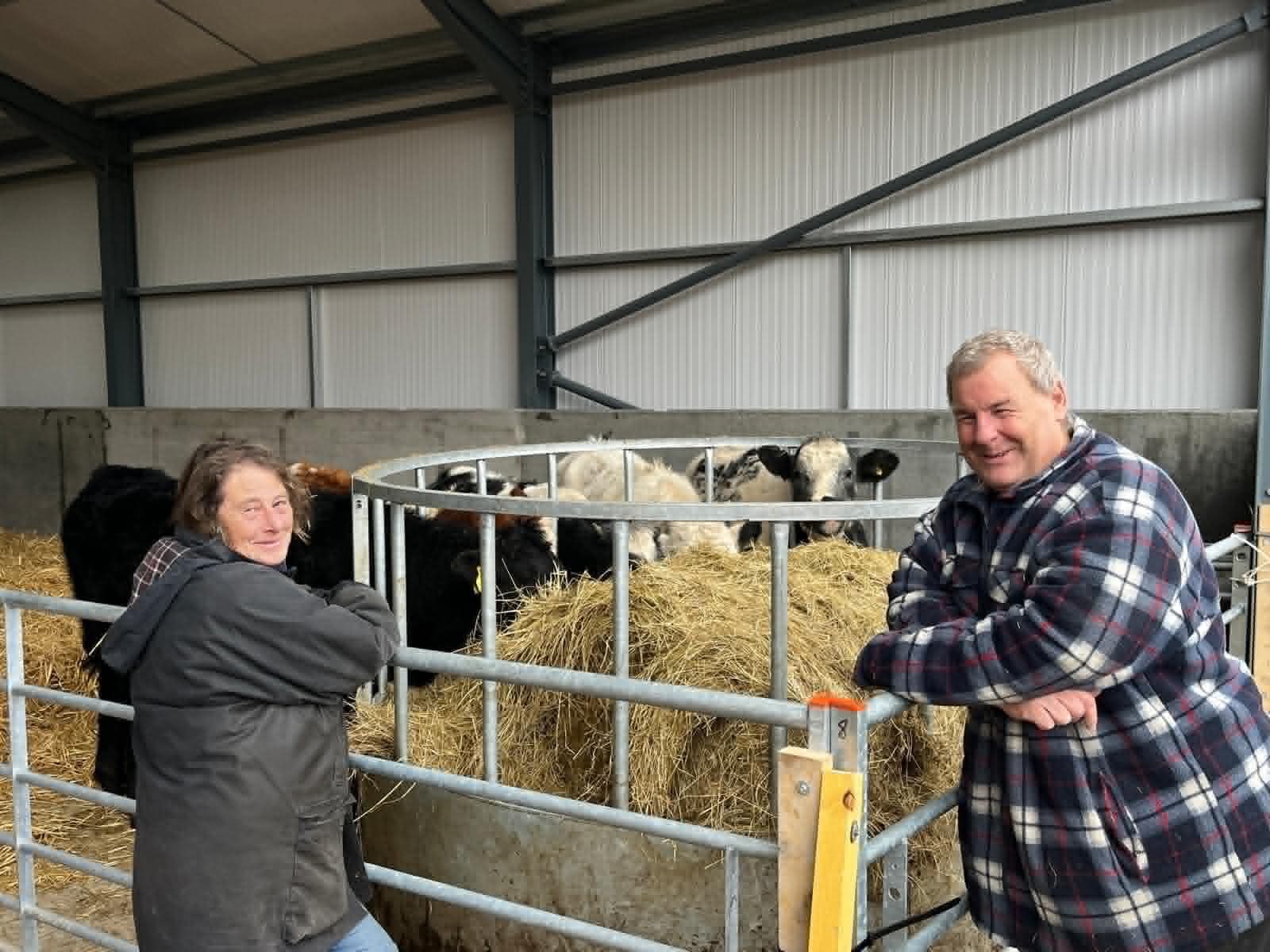
Inclusive Farm Scotland at MacRobert is an innovative farming project founded by Mike Duxbury, a totally blind farmer, it combines inclusive design, hands-on training and commercial farming to challenge assumptions about disability in rural employment. The working farm has been designed by and for people with disabilities and additional needs, creating a new model for agricultural learning. With accessible layouts, adapted methods and tailored mentoring, it enables people often overlooked in the sector to gain real skills, confidence and employment pathways. Supported by The MacRobert Trust, it shows inclusion can drive practical, productive and ambitious change in farming.
The approach of your nominee
Founder Mike Duxbury’s approach is rooted in lived experience, resilience and determination. After losing his sight at the age of six, he refused to accept that disability should prevent a future in agriculture. His career in the pig industry and his experience as the first blind student at Warwickshire College of Agriculture gave him the practical knowledge and confidence to create something different. Together with his wife and partner, Ness, Mike built Inclusive Farm from the ground up, starting with a neglected one-acre field and developing it into a fully accessible working farm. That spirit of problem-solving is central to the project. Rather than adapting people to fit farming, the farm is adapted to fit people, with tools, routines and spaces designed for independence, safety and confidence. The approach is also highly practical. Students learn through hands-on work with real livestock and farm systems, gaining skills that are directly relevant to agriculture and associated rural employment. By combining high standards of stockmanship with accessibility, the farm proves that inclusive practice does not dilute quality. It strengthens it. This is a thoughtful, bold and genuinely original approach to modern farming.
Overcoming Challenges
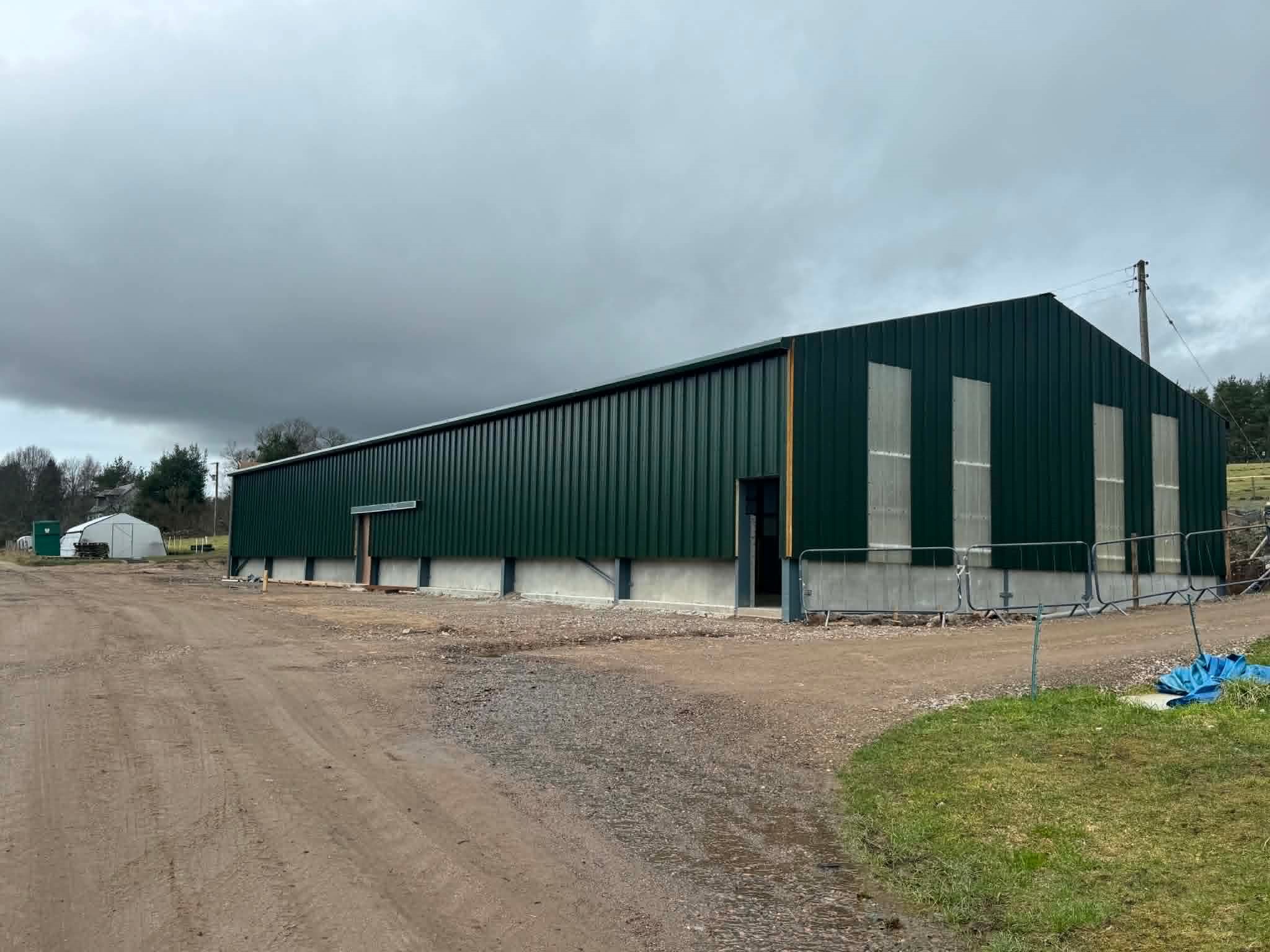
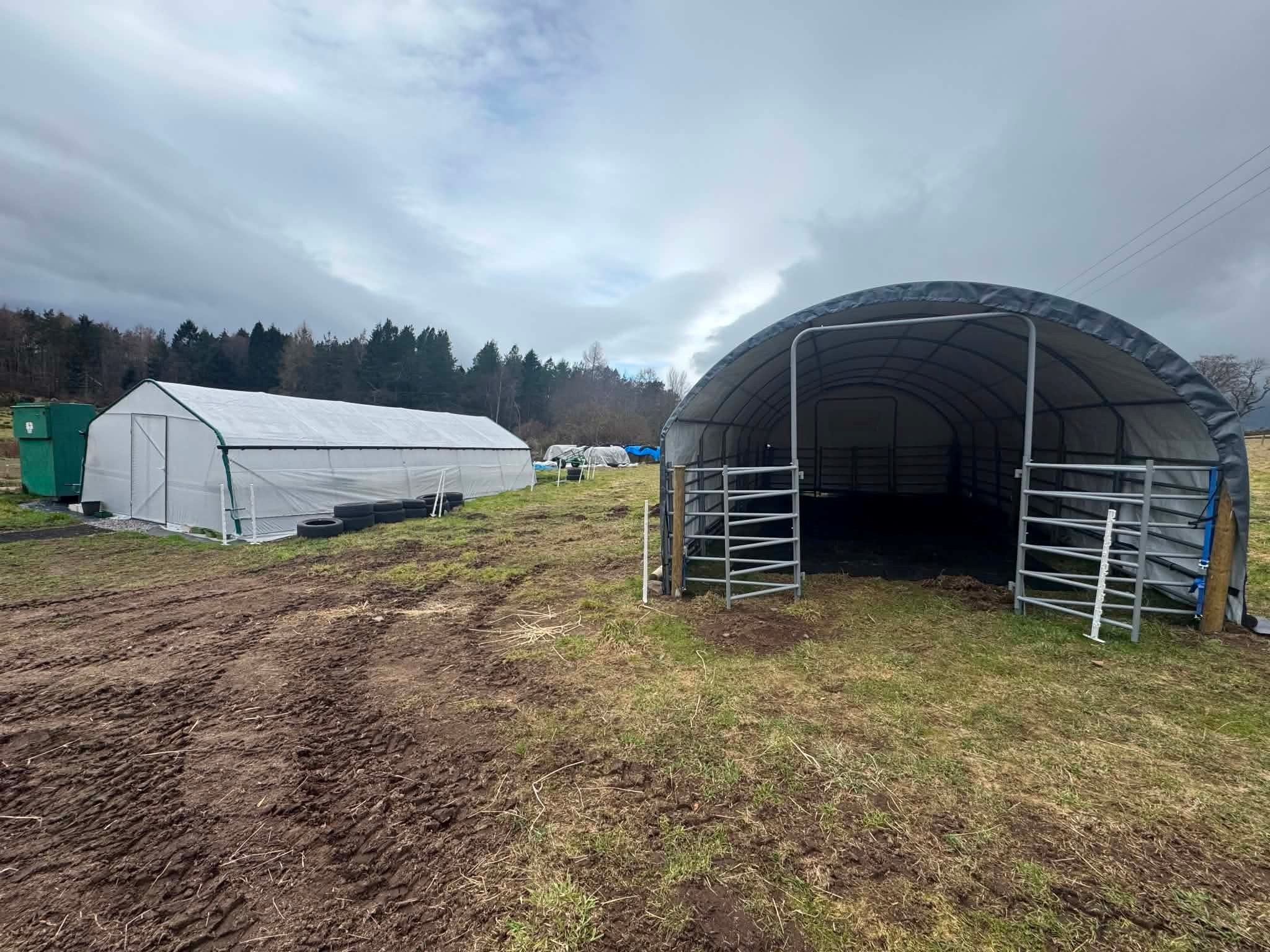
Inclusive Farm was created to address a challenge that has long existed in agriculture: the assumption that disability limits ability. Mike Duxbury’s own journey shows how difficult it can be to overcome barriers in a sector that is often physically demanding and built around traditional working methods. By building a farm that is accessible in every sense, he has challenged those assumptions in a practical and visible way. The project also overcame the challenge of starting from nothing. What began as a difficult, overgrown field in Bedfordshire became a fully functioning accessible farm through self-funding, persistence and innovation. That experience laid the foundation for the later development of Inclusive Farm Scotland in Tarland, where a 22-acre site has been transformed into a safe, supportive and aspirational learning environment. A further challenge has been changing perceptions. Many people with disabilities have been told, directly or indirectly, that agriculture is not for them. The farm tackles this through mentoring, adapted learning and real work experience. It allows participants to prove their ability in a meaningful setting, while also showing employers, families and communities that disabled people can contribute successfully to farming. That shift in mindset is as important as the physical transformation of the land.
The impact of innovation
The impact of Inclusive Farm is already significant and continues to grow. It has turned unused or underused land into a productive farm, but its deeper impact lies in people. Participants gain confidence, practical skills and a sense of belonging, often for the first time in a rural setting. Many arrive uncertain about their place in agriculture and leave with clear pathways into further training, employment or volunteering. The project is innovative because it taps into a traditionally underused group of employees and shows the strength of doing so. By widening access to farming, it creates a new talent pool for the sector while also strengthening community inclusion. This is not only socially valuable; it is a practical response to workforce challenges in rural Scotland. Its wider influence could be substantial. The model demonstrates that with thoughtful design, tailored support and high expectations, disabled and neurodivergent people can thrive in agriculture. That has the potential to shape how farms, training providers and employers think about recruitment and learning across Scotland. What may seem like a simple, common-sense adjustment at one farm could become a spark for wider change across the industry.