

Keith was a director of the timber harvesting and marketing co-operative, DWP Harvesting, from 2008 to 2011. He was active in the management of the estate's woodlands, which were managed for shooting and wildlife as well as timber production, and was efficient in organising the restocking and maintenance work carried out by the estate's staff. Was a pioneer in renewable energy, setting up Arbuthnott Wood Pellets Limited in 2008. The company was launched at the All Energy Exhibition and achieved the first commercial production of wood pellets in Scotland, sold under the brand name 'Stovies'. He also installed pellet-fired renewable energy boilers in properties on the estate.
Some words from Keith: “We are fortunate in Scotland that we have an abundance of natural, sustainable resources – our woodlands”, “We are opening up our doors today to allow those who are at the forefront of developing new properties or upgrading old ones to learn more about the practicalities and benefits of wood fuel.”
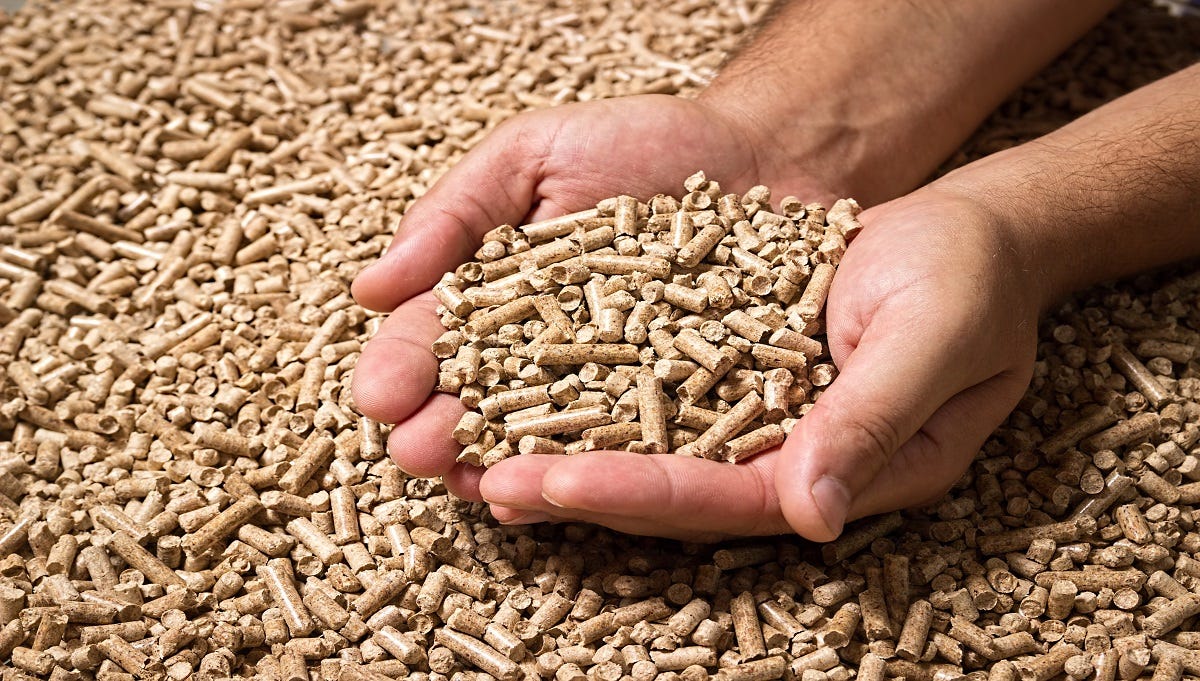
Wood pellets are made from compressed sawdust or wood shavings. Sometimes this is a waste product from other industries (e.g. sawmills). The pellets are held together by the natural lignin in the wood - no glue is needed. Lignin makes up about a quarter to a third of dry wood. It strengthens the wood and has waterproofing properties. It also makes a good fuel. Wood pellets have a very low moisture content, typically 6-10%. This means that wood pellets are a very good energy source because very little of the energy in the pellets is used to evaporate moisture. Pellets are either made using purpose-built machinery or can easily be made using cow feed machinery as the process is very similar. In fact, a cow feed mill can produce cow feed for half the year and then produce wood pellets for the rest of the year. AWP's pellets, marketed under the Stovies brand, are made from logs supplied by DWP Harvesting and conifers from the 200-acre Arbuthnott Estate.