Submission Details ------------------
Nominee Summary
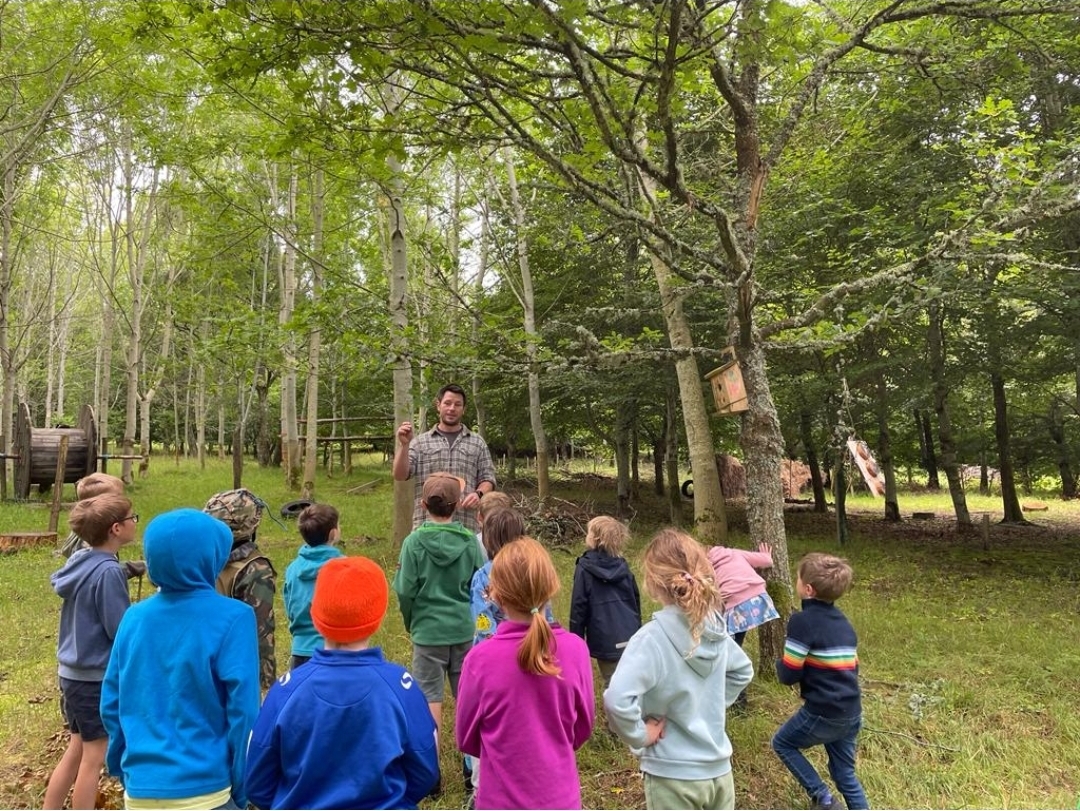
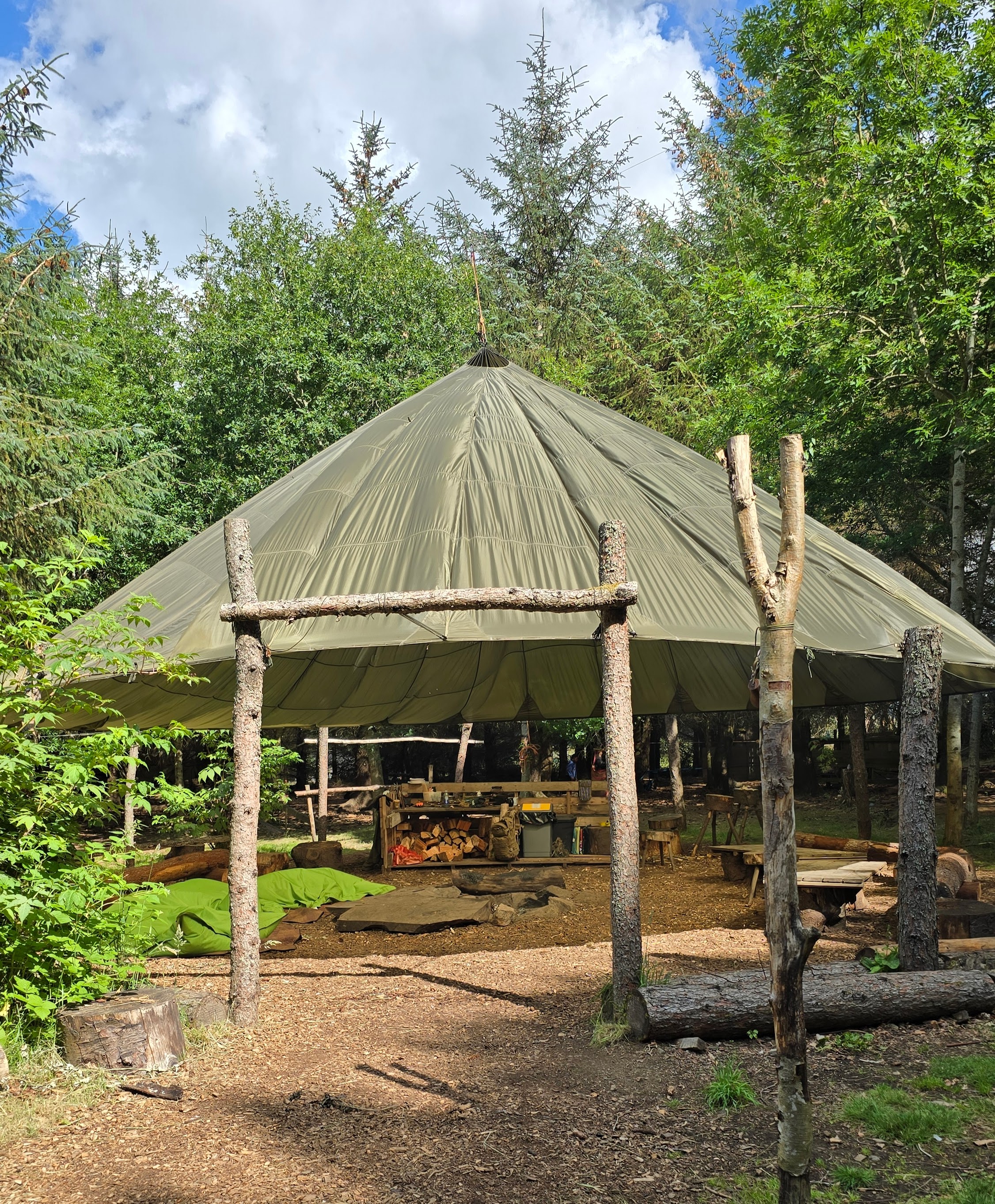
Knockiehill Woodland Centre (KWC) is located in a private woodland in Aberdeenshire delivering transformational outdoor education to primary schools across Royal Deeside. Founded during the recovery from Covid-19, KWC recognised the urgent need to support children's wellbeing, confidence and learning beyond the classroom. Led by Stu Wright, a highly qualified outdoor educator with over 20 years' experience, KWC provides whole-class outdoor sessions, small group mentoring, teacher support, and fully immersive residential camps. Working with multiple local schools, KWC has created a genuinely unique model that bridges education and nature, making a lasting difference to young people's lives.
The preservation of skills
KWC is committed to ensuring rural and woodland skills are not lost to future generations. Through its school programmes, children are reintroduced to practical land-based skills including bushcraft, wilderness survival, nature connection and woodland stewardship knowledge increasingly absent from modern education. Beyond the classroom, KWC runs an annual staff support programme, giving local students the opportunity to work directly alongside experienced instructors, gaining real-world, hands-on experience in outdoor education. Volunteer placements are also offered to those considering a career in the sector, creating a structured and meaningful pathway into an industry that relies on skilled, passionate practitioners being nurtured from the ground up. Led by one of only a handful of qualified forest therapy practitioners in North East Scotland, KWC represents a rare and valuable concentration of rural expertise — and is deeply committed to sharing, developing and sustaining that knowledge for the generations that follow.
Increasing awareness
KWC raises awareness of rural skills and outdoor education through a multi-layered approach that reaches children, young people and future educators across Aberdeenshire and Royal Deeside. Each year, KWC works with four primary schools, delivering structured outdoor programmes to an average of 25 pupils per school — reaching approximately 100 children annually through term-time sessions alone. Support is also extended to smaller rural schools, ensuring that even the most remote communities have access to quality outdoor education. Beyond schools, KWC hosts Scouts, Beavers, Cubs and Brownies groups, broadening its reach across youth organisations throughout the region. Notably, a recent Brownies session was led entirely by two female instructors — reflecting KWC's commitment to diverse and inclusive representation in outdoor education. To build the next generation of rural educators, KWC has supported four students through its work placement and volunteer programme. One standout success is a young woman who began as a volunteer and has since gone on to support KWC's work for nearly three years — a testament to the genuine career pathways KWC creates within the rural skills sector. Through residential adventure camps, holiday clubs and in-school mentoring, KWC's reach continues to grow putting woodland skills, nature connection and land-based learning firmly on the map for young people across North East Scotland.
Ethical/environmental standards
KWC operates with a deep and genuine commitment to environmental stewardship and community responsibility, recognising that the woodland it calls home is both a working resource and a living ecosystem that must be protected for future generations. The woodland is managed with minimal intervention. Dedicated activity spaces and clearly defined pathways are used for all programmes, allowing the vast majority of the woodland to grow and thrive undisturbed. Following storm damage, fallen and damaged trees are deliberately left in place to create vital wildlife habitats, and no heavy machinery is used for clearance, protecting the integrity of the woodland floor and the ecosystem beneath it. KWC also actively plants trees as part of its ongoing commitment to the land. Leave No Trace principles are embedded throughout all programmes, and are explicitly taught to older participants through the Woodland Pioneers initiative for teenagers — ensuring environmental responsibility becomes a lifelong value, not just a lesson. All staff are locally employed, keeping skills, knowledge and income within the Aberdeenshire community. Local suppliers are used for all events and courses, and children and students are actively taught about the provenance of what they use — connecting them to the local economy and food systems around them. KWC operates a flexible pricing model, offering scaled costs to ensure no family or group is excluded on financial grounds. ASN groups are actively supported, reflecting KWC's belief that access to nature and outdoor education should be available to every young person, regardless of background or ability.
Noteworthy improvements
The ethical and environmental standards at KWC have had a direct impact on the quality of experiences delivered and the difference made to young people. By preserving the natural state of the woodland, KWC has created a genuinely wild environment that children respond to in ways a managed space cannot replicate. In summer, sessions extend deeper into the woodland where children forage for wild raspberries, harvest silver birch sap and connect with nature in its most authentic form experiences that stay with them long after the day is done. The Leave No Trace ethos taught throughout KWC's programmes has visibly extended beyond the woodland, with children taking these values home and into their communities through litter picks and a growing respect for their local environment. This ripple effect is exactly the kind of lasting change outdoor education at its best can achieve. Rooted in the local community, with local staff and local suppliers, KWC delivers something that feels genuine and trusted and that authenticity is felt by every child, teacher and family it works with.
Overcoming Challenges
KWC's journey has not been without its challenges but overcoming them is central to the story of what makes this organisation worth recognising. The single greatest barrier KWC faces is funding. Local schools, despite their enthusiasm and genuine need, have limited budgets that make it difficult to commit to outdoor education programmes however evidently beneficial they are to their pupils. At the same time, organisations like KWC occupy an awkward gap in the funding landscape, too community-focused to be seen purely as a commercial business, yet without the charitable status that unlocks many traditional funding streams. KWC has navigated this by offering scaled and flexible pricing, absorbing costs where necessary, and finding creative ways to keep programmes running and accessible driven by a genuine belief in the value of what they do rather than the pursuit of profit. Then there is the Scottish weather — which, rather than being a barrier, has become part of the philosophy. There is no such thing as a bad day in the KWC woodland, only the wrong kit and teaching children to embrace the elements is itself one of the most valuable lessons on offer. Through financial constraint, unpredictable conditions and the sheer hard work of building something meaningful from the ground up, KWC has remained resolute because getting children outdoors, learning real skills and connecting with nature is simply too important to give up on.