Nominee summary
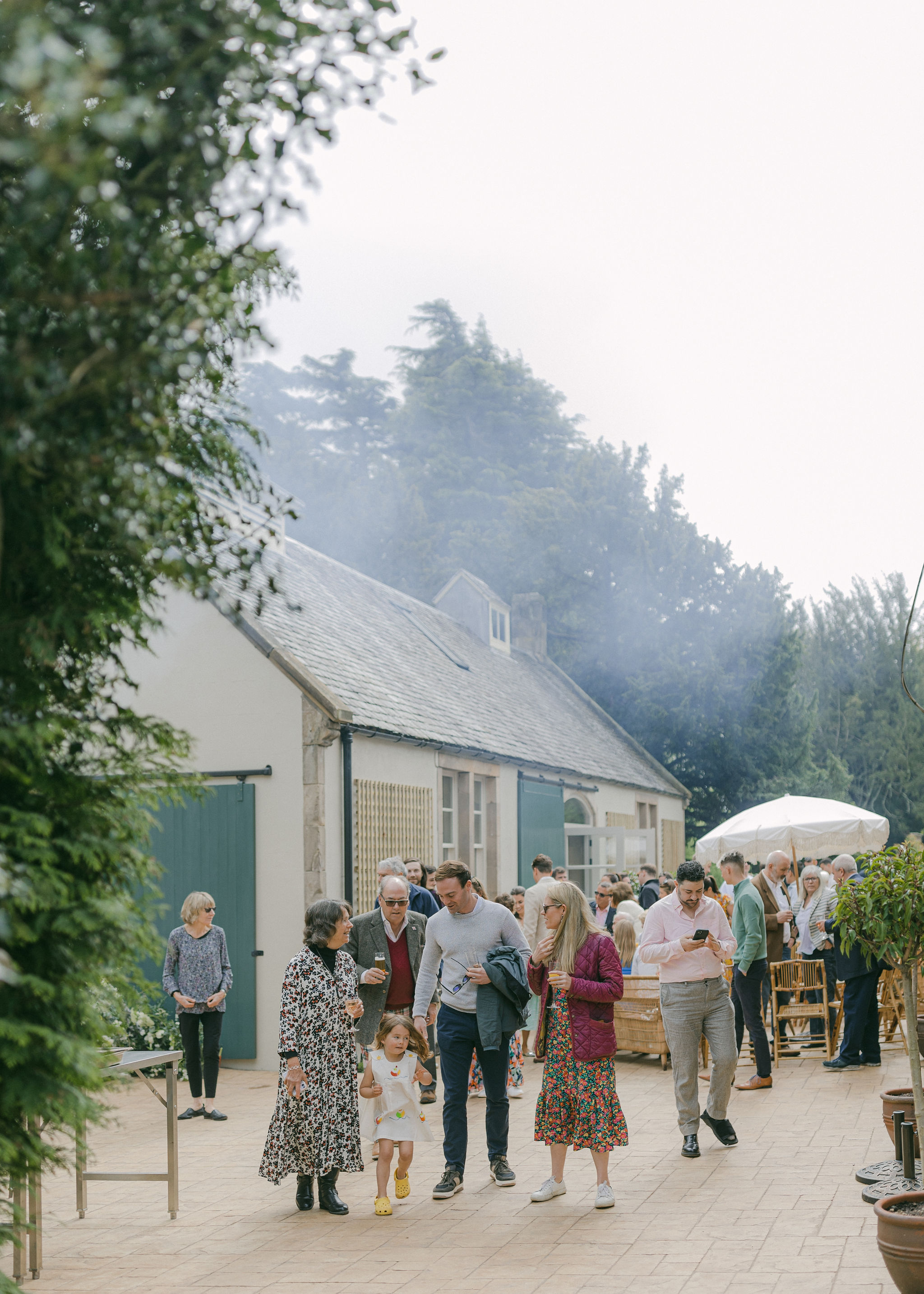
The Laundry House at Gilmerton House is a restored historic building, transformed into a versatile rural event space that balances character with contemporary function. Originally built in 1804 as the estate’s laundry, it has been carefully renovated to preserve its heritage while introducing modern amenities. Set within the East Lothian countryside, it accommodates up to 100 guests and provides a flexible venue for weddings, retreats, and private events. The project demonstrates how considered rural regeneration can celebrate history, improve usability, and create a distinctive destination rooted in its setting.
Building quality
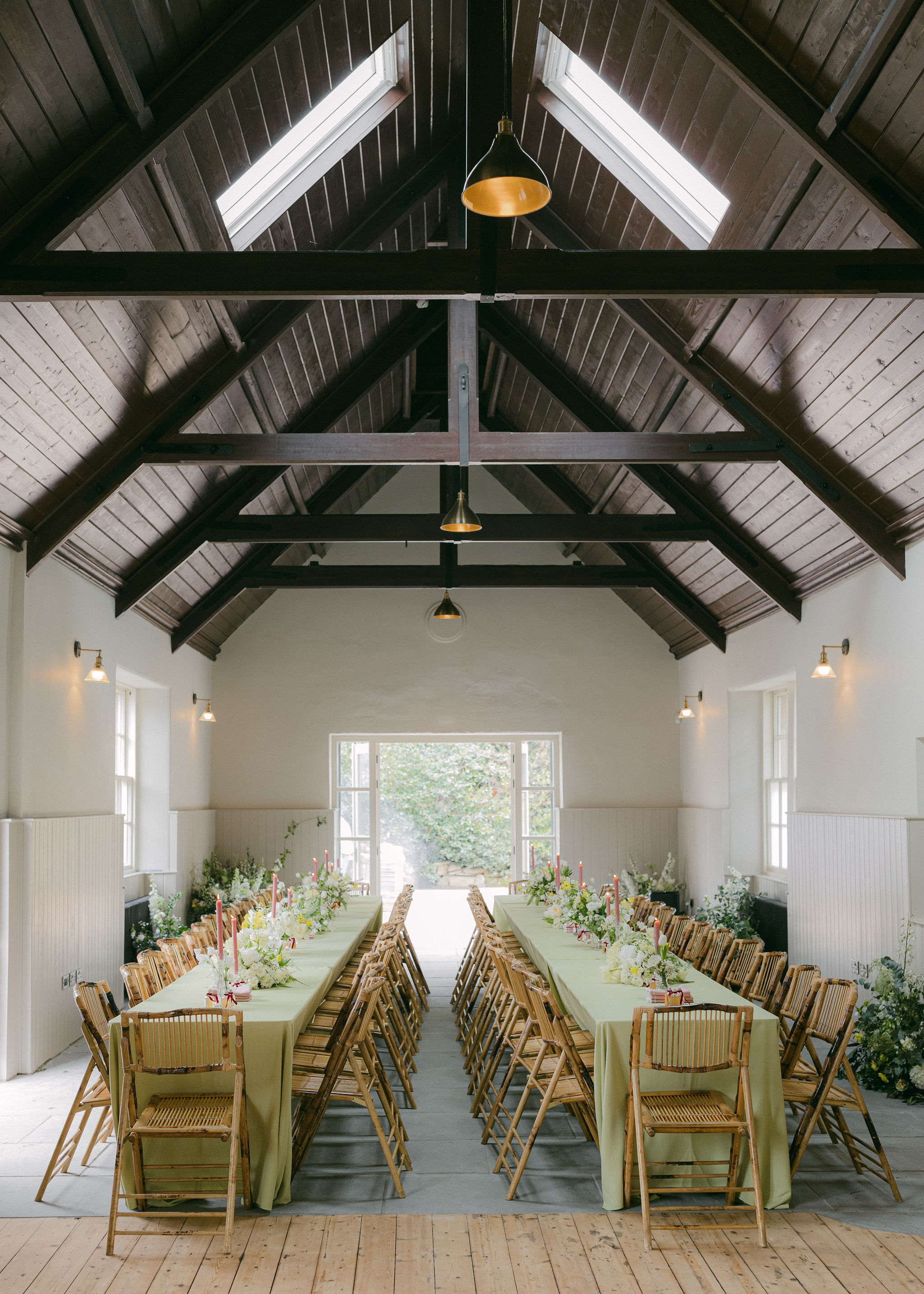
The Laundry House demonstrates strong building quality through a careful balance of preservation and contemporary adaptation. Originally constructed in 1804, the building has been restored to retain its historic integrity while meeting the demands of modern use. Key architectural features, including the exposed beamed roof, stone structure, and flagstone flooring, have been preserved and enhanced, reflecting the craftsmanship of the original construction.
The renovation introduces modern elements with restraint. Clean, understated interventions ensure the building functions as a high-quality event space without detracting from its historic character. The result is a cohesive interior that feels authentic yet refined, offering durability and comfort. The main room has been designed as a flexible blank canvas, capable of accommodating a wide range of uses while maintaining a clear architectural identity.
Careful attention has been given to spatial flow. The addition of an outdoor terrace extends the usability of the building and strengthens its connection to the surrounding landscape, improving both functionality and guest experience.
Overall, the project reflects a high level of craftsmanship and considered design. It successfully revitalises a former service building into an elegant and adaptable space. The Laundry House stands as an example of how heritage structures can be reimagined with care, ensuring longevity while maintaining a strong sense of place.
Ethical and environmental standards
The Laundry House project demonstrates a clear commitment to sustainable and responsible development through the adaptive reuse of an existing historic structure. By repurposing a building dating back to 1804, the project reduces the environmental impact associated with new construction, preserving materials and embodied carbon.
The restoration approach prioritises longevity and minimal intervention, ensuring that original features are retained wherever possible. This conserves resources while respecting the cultural and architectural heritage of the estate. The transformation of a former laundry, garage, and gym into a high-quality event space reflects a practical and circular approach to rural development.
Environmental considerations are also evident in the building’s performance. The use of durable, traditional materials alongside carefully integrated modern upgrades improves thermal efficiency and reduces long-term maintenance requirements. In addition, the building benefits from its integration within the wider Gilmerton House estate, where systems such as biomass heating support a more sustainable operational model.
Ethically, the project promotes responsible land use and heritage conservation. Rather than extending the built footprint, it focuses on improving existing assets in a measured and appropriate way.
Overall, The Laundry House shows how rural projects can align sustainability with heritage, delivering a result that is both environmentally responsible and culturally grounded.
Community impact
The Laundry House has made a meaningful contribution to the local community by enhancing the role of Gilmerton House as a rural destination. By transforming a previously underutilised building into a high-quality event venue, the project strengthens the estate’s position as a setting for gatherings, celebrations, and cultural activity.
Its versatility allows it to host a wide range of events, including weddings, private celebrations, funeral receptions, conferences, fashion shows, brand launches, and wellness and fitness retreats. The space has also been made available to small local businesses for classes, workshops, and photography, providing access to a setting that would not otherwise be available to them.
This increased activity has supported local suppliers, with caterers, florists, production teams, and other independent businesses benefiting from a higher volume of bookings and a steady pipeline of work. The development has also contributed to the wider revitalisation of the surrounding steading and former stores, bringing previously neglected areas of the estate back into active use.
The project enhances the overall offering of Gilmerton House, allowing it to accommodate events that may previously have required temporary structures. This improves the visitor experience while reinforcing the estate’s reputation as a considered rural venue.
Looking ahead, there are plans to introduce seasonal initiatives such as a Christmas market for the local East Lothian community, further strengthening local engagement.
Overall, The Laundry House delivers a lasting community benefit, combining economic support with cultural preservation.