Nominee Summary
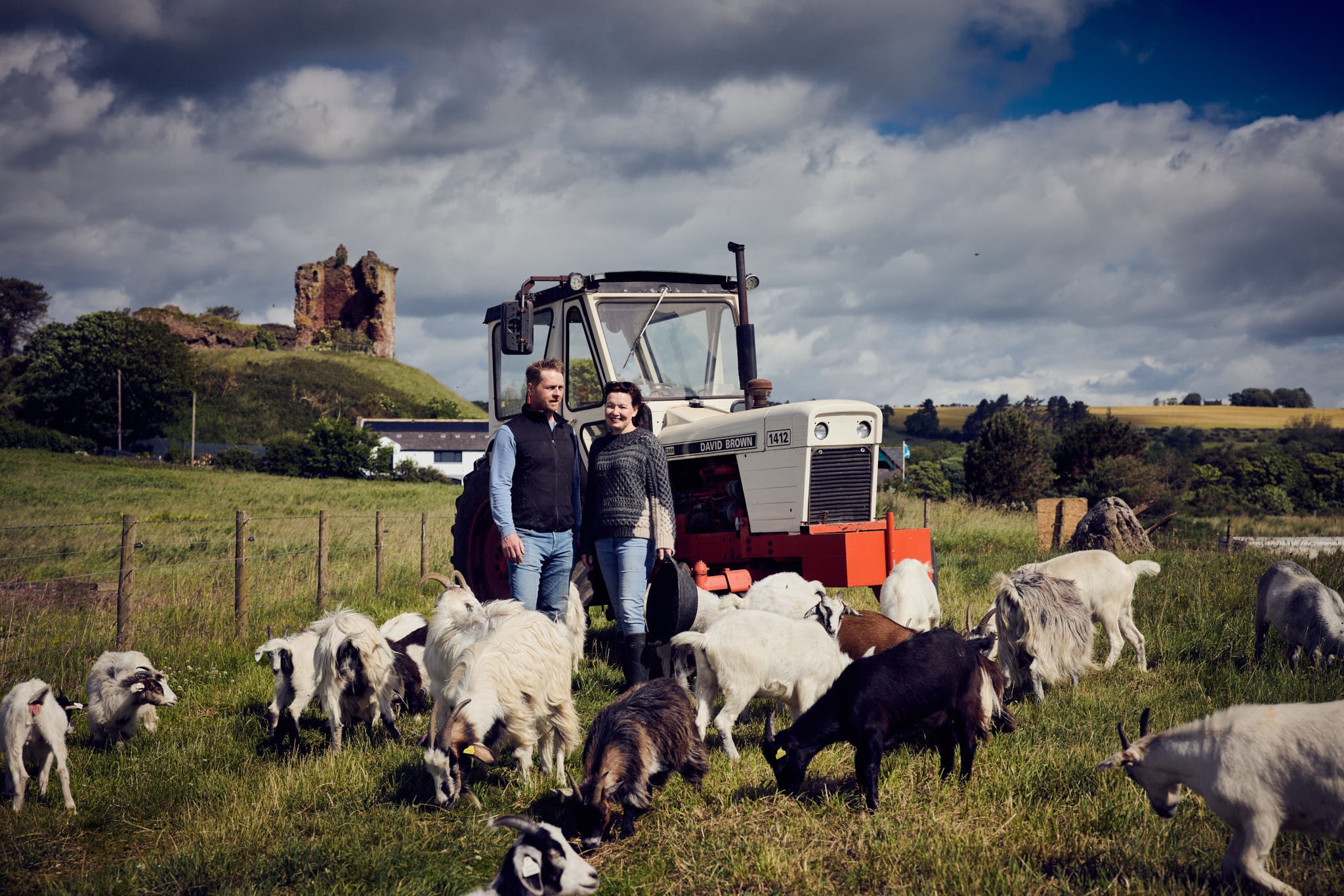
Lunan Bay Farm is a regenerative farm in Angus run by Jillian and Neil McEwan, pioneers of homegrown Scottish Cashmere, the first in Scotland in over 30 years. As the UK's only commercial cashmere goat farm, they produce luxurious fibre ethically and sustainably, while restoring biodiversity and improving soil health. Working in partnership with Scottish mills and textile innovators, Johnstons of Elgin, their goal is to develop a premium Scottish Cashmere that champions provenance and the environment. Their unique combination of regenerative farming, agritourism, and rural innovation is shaping a new model for ethical luxury in Scotland.
The approach of your nominee
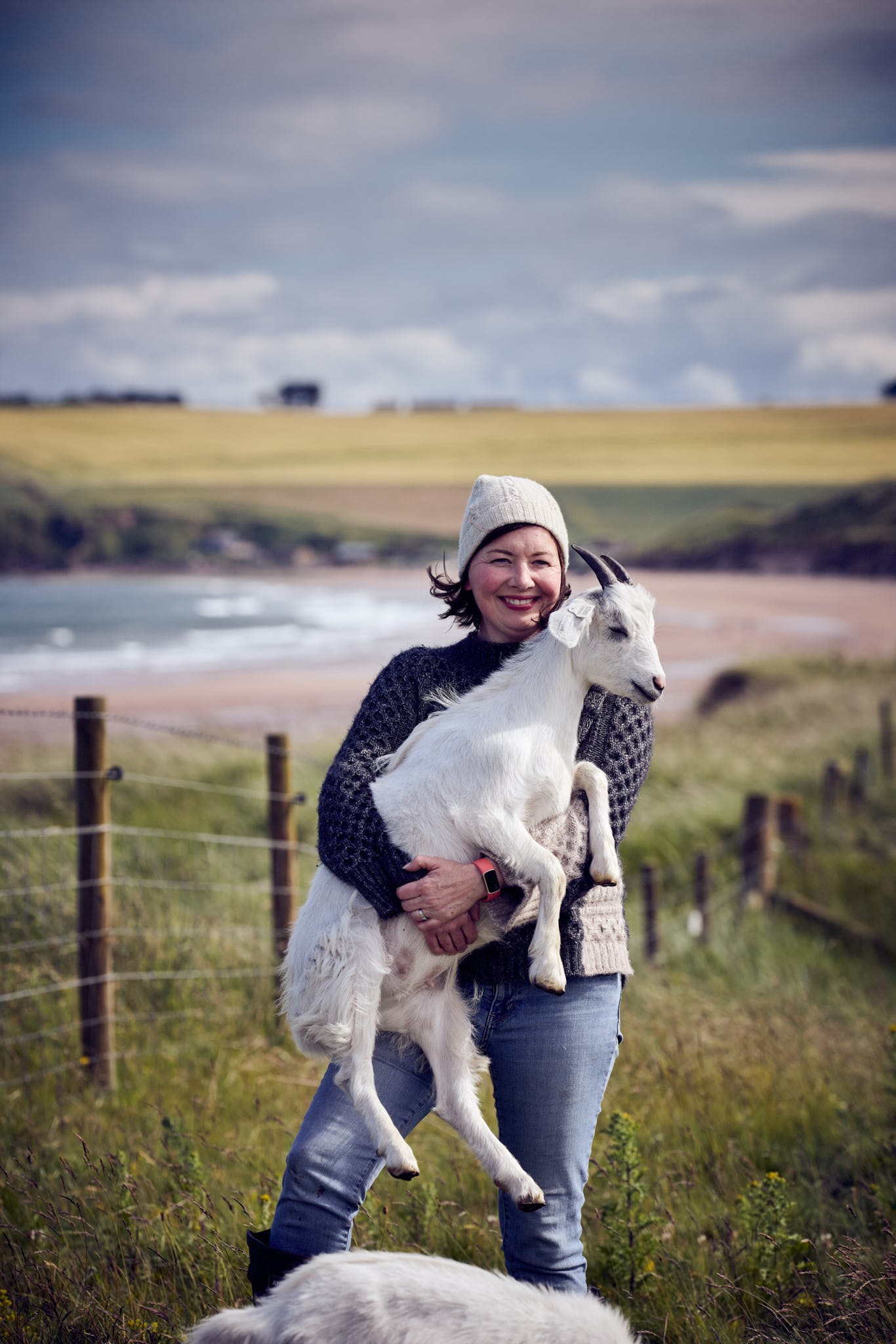
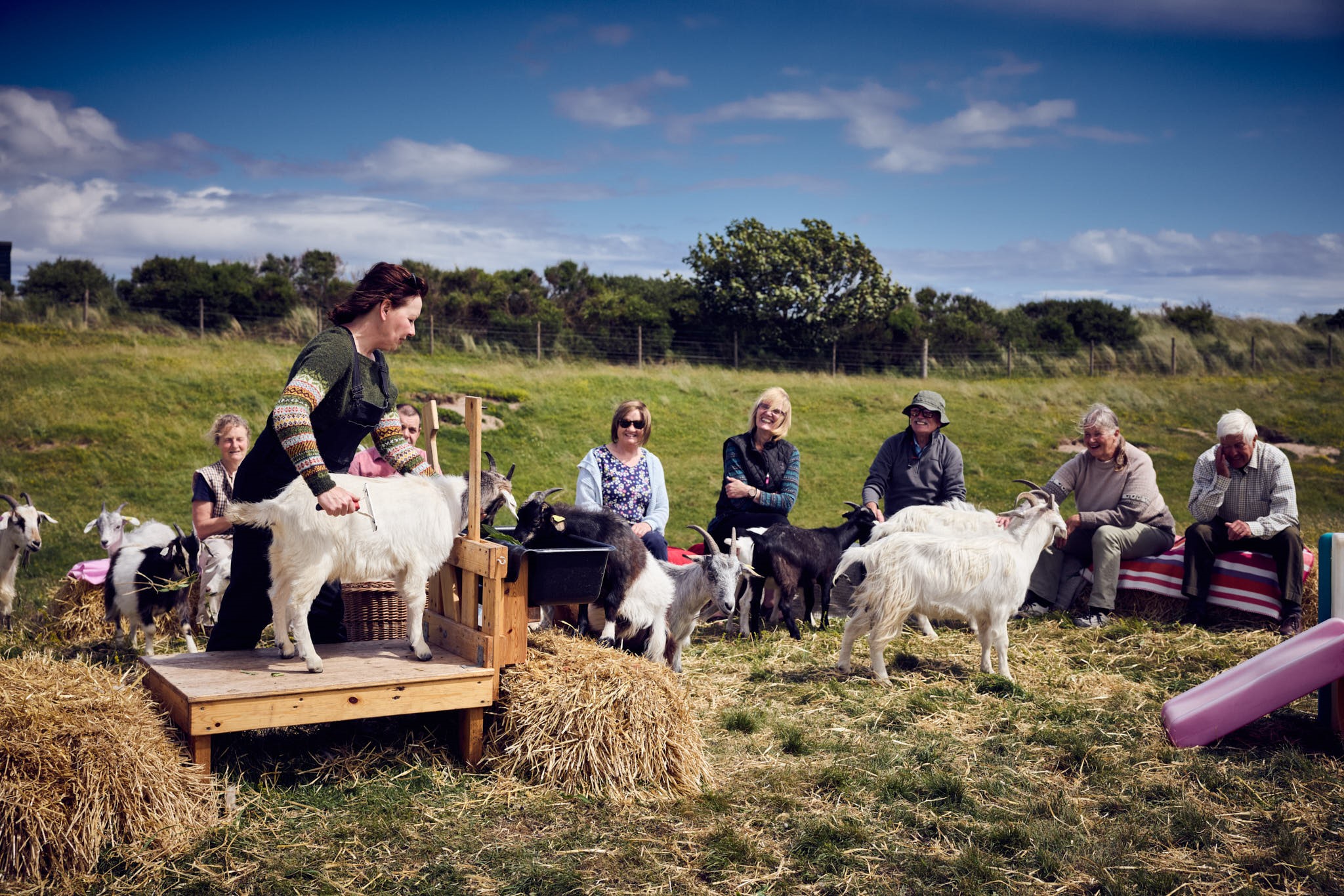
Lunan Bay Farm is home to the UK’s only commercial herd of cashmere goats. Jillian and Neil harvest their goats’ fibre each spring, collecting their fine winter undercoat to create luxury Scottish Cashmere. Their high-welfare, low-carbon approach honours the animals, the land, and the people involved in its production. Their goats are managed under regenerative principles, rotationally grazing herbal ley pastures to improve soil biology and increase biodiversity. The goats are part of the SRUC Premium Health Scheme, ensuring excellent herd health and biosecurity. Their mission is to create a traceable, environmentally conscious cashmere product that rivals imported fibre in quality while offering a transparent and ethical supply chain. Working closely with Scotland’s world-class mills and textile researchers, Lunan Bay Farm is at the forefront of the regenerative textiles movement. In addition to fibre production, the McEwans run immersive agritourism experiences including their popular Goats in Coats farm tours and Scottish Cashmere Farm to Fibre days. These invite visitors to meet the goats, learn about regenerative farming, and even try spinning and combing the fibre on the shores of Lunan Bay. Their on-farm and off-farm educational work bridges the gap between land, product, and consumer e-connecting people with ethical fashion and food production.
Overcoming Challenges
The McEwans are leading a movement to make Scottish Cashmere both local and regenerative, a challenge in an industry long reliant on imported fibre. With no precedent for homegrown fibre, they had to build the entire model from scratch: breeding stock, infrastructure, land use planning, and supply chain development. Their work is entirely self-funded, with income coming from fibre sales, on-farm experiences, and small-batch product development. Their farm tours and cashmere gifts help diversify income and educate the public on ethical, rural enterprise. Facing a lack of awareness around regenerative farming, they’ve created their own outreach projects, including their award-winning Goatgetters programme, which brings young people on-farm to learn about soil health, sustainability, and ethical fibre. Their talks and school visits aim to inspire the next generation of rural entrepreneurs. Every tour, product, and community initiative supports their overarching vision: to produce luxury with purpose, while rebuilding natural systems. Hosting hundreds of international and local visitors annually, their tours have become a key part of their business supporting both financial sustainability and wider public education. As they grow, Jillian and Neil are developing Scotland’s first cashmere farming cooperative to scale fibre production while preserving the integrity of regenerative methods. Their model isn’t just about fibre, it’s about changing how luxury, farming, and rural life interact in Scotland.
The impact of innovation
Since founding Lunan Bay Farm in 2016, Jillian and Neil have adopted regenerative principles to revitalise their land and produce cashmere with integrity. From rotational grazing to cover cropping, wildlife corridors, and hedgerow planting, every decision enhances biodiversity and long-term soil health. Their goats graze mixed herbal pastures that improve nutrient cycling and support native insects and birds. The farm has planted over 4,500 hedgerow plants and trees in partnership with the Woodland Trust, helping to shelter livestock, prevent erosion, and provide habitat for vulnerable species. They participate in RSPB’s Corn Bunting Recovery Scheme and have seen an annual rise in breeding pairs, a sign their farming methods are working not just for productivity, but for nature. Min-till practices, minimal external inputs, and multi-species planting contribute to a model of profitable but ecologically sound farming. Innovation is not limited to the field. Lunan Bay Farm has created a successful visitor business that supports both their cashmere and education goals. From field shelters that double as outdoor classrooms to a new 'Goat to Garment' educational centre, their approach blends tourism, farming, and climate-conscious design. They are working with the James Hutton Institute and Johnstons of Elgin to validate environmental outcomes and build a new Scottish cashmere model that values transparency, environmental care, and local craftsmanship. In doing so, they are redefining what success can look like in Scottish farming combining heritage textiles, regenerative practices, and rural entrepreneurship in one inspiring story.