

The village of Luss has been at the heart of the Clan Colquhoun lands for over 600 years. The Clan Colquhoun first came to the Bonnie shores through marriage in 1368 when Robert the 5th of Colquhoun married the daughter of the 6th Laird of Luss. Robert's wife's name has been lost to the sands of time and she is only remembered as 'the fair maid of Luss'. In 1776 Sir James founded the town of Helensburgh, naming it after his wife Helen. The current Chief of the Clan, Sir Malcolm Colquhoun, 31st of Colquhoun, 33rd of Luss, is committed to supporting the local community and preserving the heritage and historic lands of this ancient Clan for future generations. The chronicle of Clan Colquhoun is varied, fascinating and dramatic. But when it comes to defining an outstanding contribution, one that spans six centuries of investment and stewardship, one that is history in itself but remains as relevant and resilient in the present day, should certainly qualify.
For generations, the Colquhoun family has sought to preserve and conserve the local environment through responsible stewardship of the land. Luss Estates' involvement in the traditional rural economy includes livestock farming, sustainable forestry and deer management, combining these established rural jobs with 21st century innovation through investment in green energy generation. The rural economy is going from strength to strength and, despite economic and political pressures, it remains at the heart of Luss Estates. A robust, economically viable business builds a robust, viable and sustainable community. From 2021, Luss Estates has committed to being a Living Wage Employer, demonstrating a clear commitment to the employees it values across its diverse operations.
With employment comes the need for people, and recognising an ageing and declining population, in 2013 Luss Estates invested in a ground-breaking strategic framework to shape investment and decisions for the next 10 years, including the creation of new affordable housing, working with the community to provide valuable infrastructure through the filling station and car park to address visitor management. The estate also took back the play park from the local authority to provide vital funding for an upgrade, along with a new village green. In 2023, Luss Estates opened up its strategic framework for further review and worked with the two local communities to support them in their own community place plans, ensuring a strong partnership between the estate and the community in this next phase of the estate's long history. Housing remains a key component and the Estate has committed to providing land for further development.
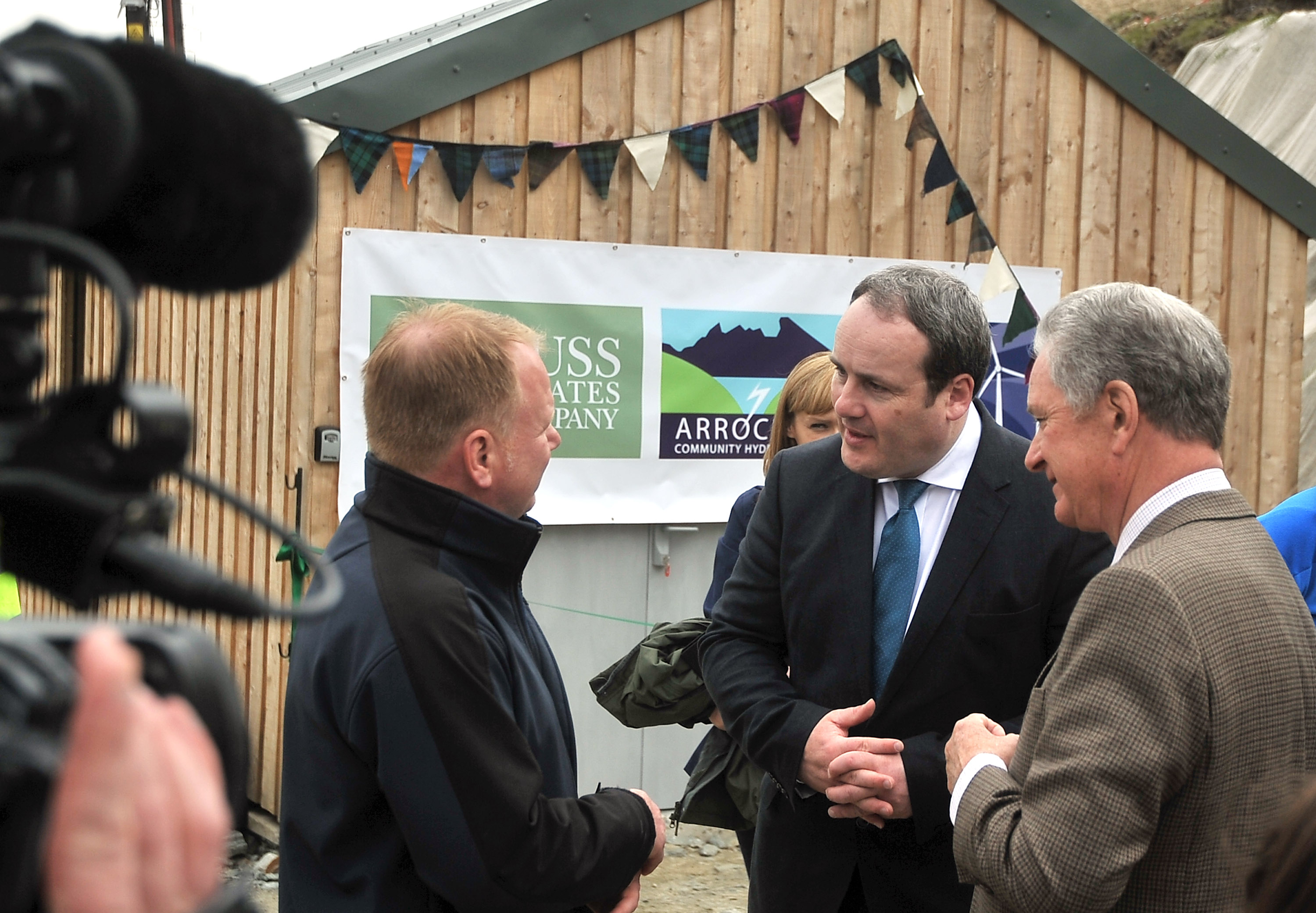
The refurbished Loch Lomond Arms Hotel is a focal point for the village of Luss and is powered by a biomass boiler to ensure the community grows as sustainably as possible into the future. Food is sourced locally and businesses have sprung up around it, including Luss Fish & Chip Co. Luss Estates initiated the Arrochar Community Hydro Society and leases the land at a peppercorn rent to support the scheme, which benefits both the Luss & Arden Development Trust and the Arrochar & Tarbet Development Trust, bringing funds into these communities to be reinvested in community development. Recognising Luss as an attractive and popular destination, the Estate has not only developed businesses to manage and support tourism through holiday, caravan and camping sites, but has also leased properties on the foreshore to businesses which are contractually obliged to support the integrity of the community and the environment, thus ensuring that the village remains recognised as the jewel in the crown of Loch Lomond. And back to history; the annual Highland Games, the pipe band, the spectacular built heritage of Rossdhu House, preserved within Loch Lomond Golf Club, one of the finest courses in the country, complete with its grand entrances and lochside setting. The ongoing stewardship of the land through peatland restoration and woodland creation, with the estate approaching the milestone of planting 1 million trees. The extensive wildlife and biodiversity supported across the estate, which hosts all 5 of Scotland's iconic species; red squirrels, golden eagles, otters, red deer and harbour seals. Clearly our landscape has been and continues to be in very safe and capable hands.