

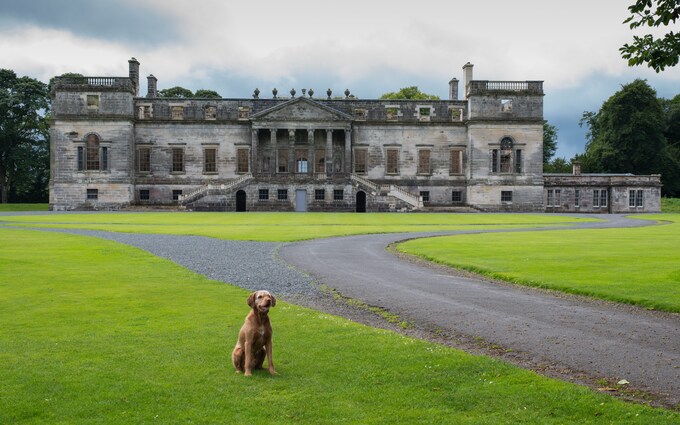
Penicuik Estate is an example of the perfect balance between conservation, community involvement and sustainable tourism practices. With its commitment to conserving natural and cultural heritage, providing exceptional visitor experiences and stimulating local economic growth, Penicuik Estate is a remarkable example of sustainable tourism and visitor management in Scotland.
Penicuik Estate recognises the importance of preserving its natural and cultural heritage for future generations. The Estate's meticulous conservation efforts have protected its biodiversity, ancient woodlands, historic structures and scenic landscapes. Through responsible land management, habitat restoration and archaeological conservation, Penicuik Estate ensures the integrity and authenticity of its heritage and provides an enriching and immersive experience for visitors.
Sustainable tourism is a guiding principle at Penicuik Estate. The Estate strives to minimise its impact on the environment by using renewable energy sources, reducing waste and promoting energy efficiency. Through responsible waste management and the promotion of sustainable transport options such as cycling and public transport, Penicuik Estate demonstrates its commitment to reducing its carbon footprint and promoting sustainable travel practices. Penicuik Estate has invested in visitor facilities and interpretation to provide enriching experiences. This has included the development of visitor centres, interpretive signage and interactive exhibits that educate visitors about the Estate's natural and cultural heritage, conservation efforts and sustainability initiatives. These improvements help to foster a deeper connection between visitors and the Estate.
As visitor expectations and demands evolved, Penicuik Estate faced the challenge of adapting to meet these changing needs while maintaining its sustainability goals. They needed to continually assess and improve visitor experiences, update infrastructure and incorporate new technologies to deliver memorable and educational experiences that met evolving visitor preferences. The challenge was to engage and work with a wide range of stakeholders, including local communities, government agencies and conservation organisations. Penicuik Estate needed to build consensus, establish effective communication channels and manage diverse perspectives to create a shared vision and foster collaboration towards sustainable land and visitor management.