Nominee Summary
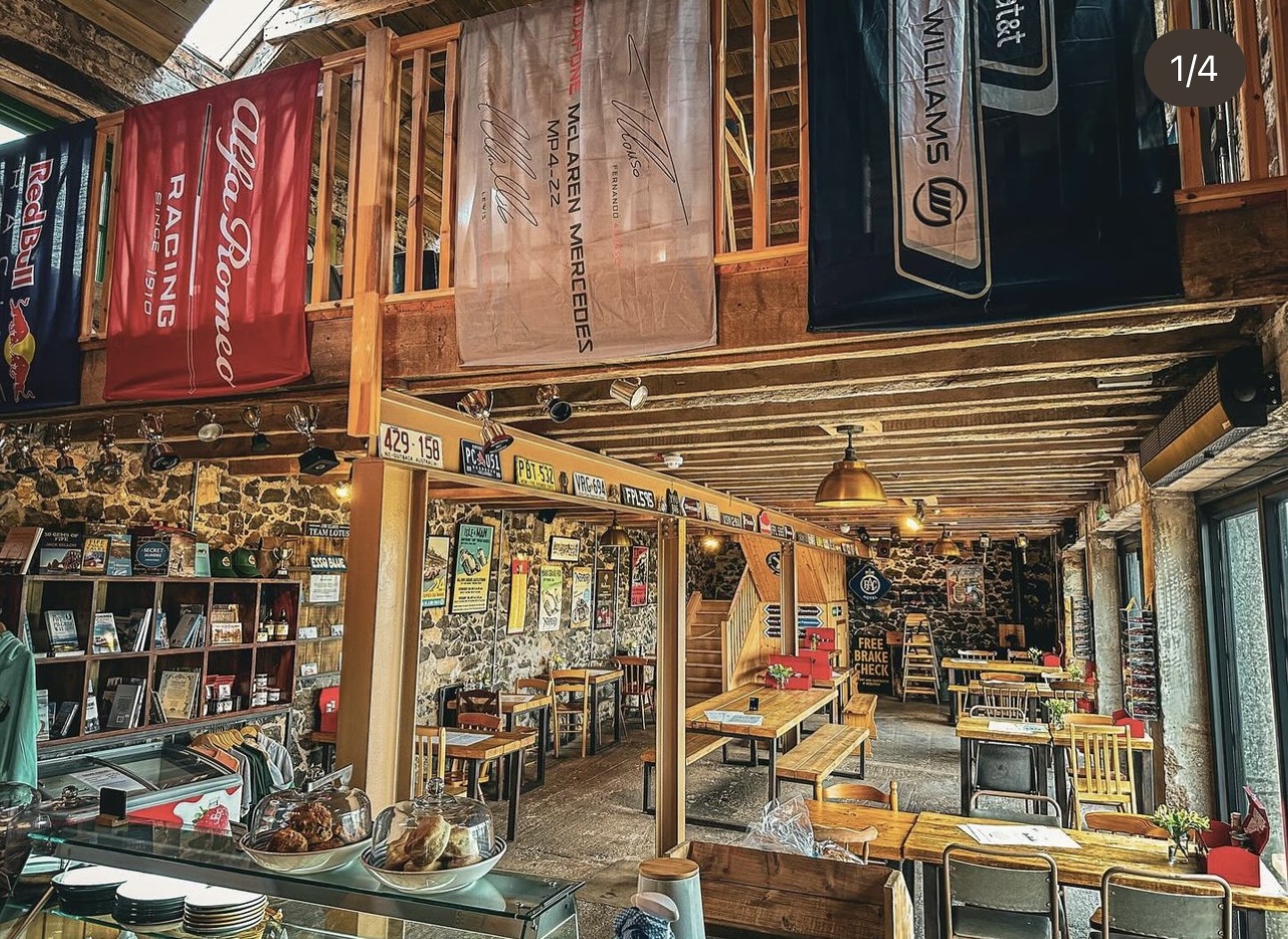
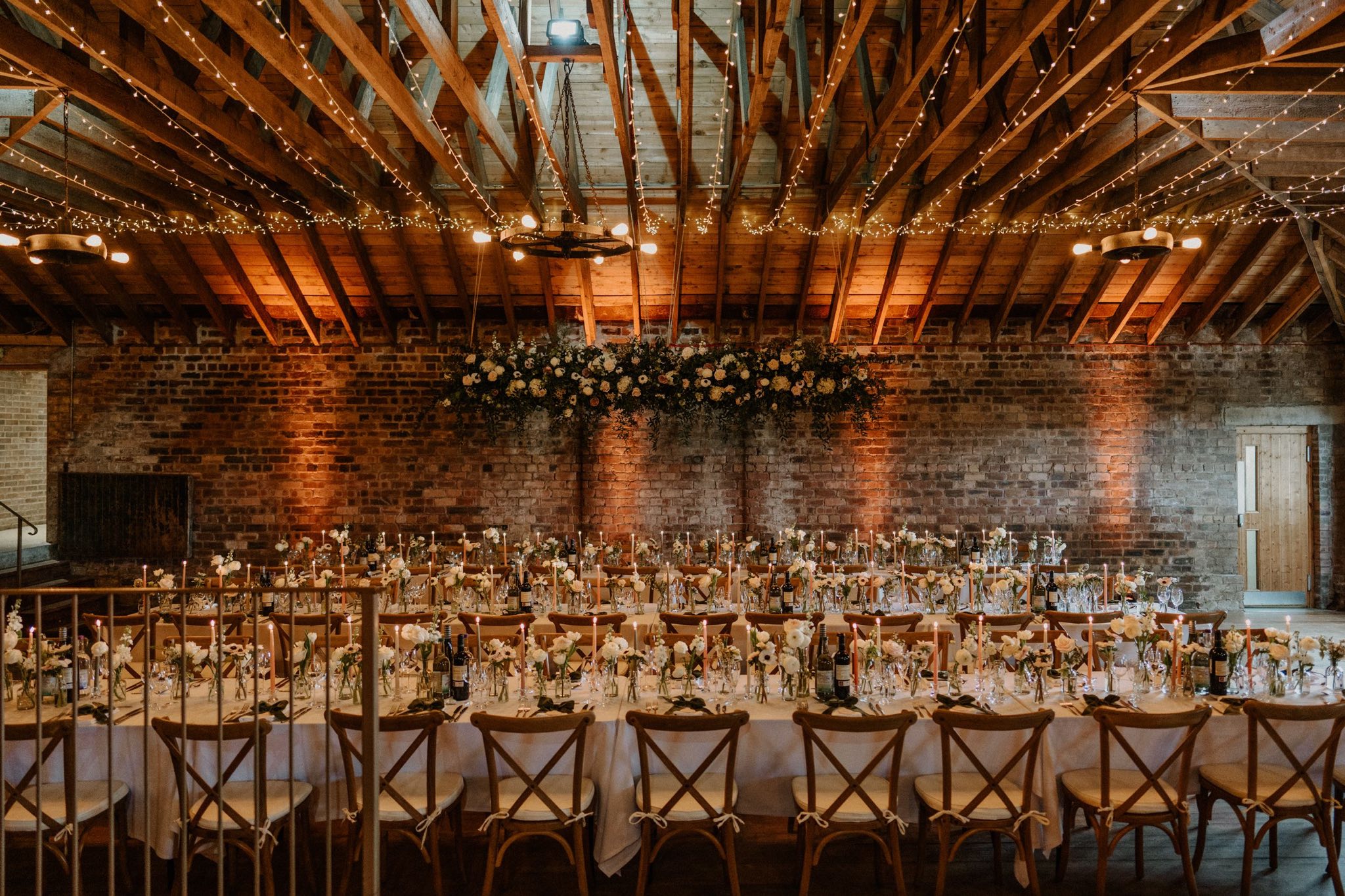
JLW Foster near Leuchars is predominantly an arable farm. However, there has been huge diversification in recent years at The Rhynd, always with an eye on the environment and creating something different. Today, it plays host to a wedding space, a café that heroes local produce (much of which is grown on site), a strength and conditioning gym and The Scottish Clay Shooting Centre that also offers archery and axe throwing.
What makes your nominee stand out?
My father started the diversification in 1999 with the Scottish Clay Shooting Centre (now in Tripadvisor's top 10% of attractions worldwide), and then in the last seven years we have added the Rhynd Event Space (now doing 50 weddings a year), The Rhynd Café (a turnover of £185,000 in the last 12 months), Rhynd Fitness (now up to 100 members), archery, axe throwing, the Rhynd Farmhouse short-term let (now with a turnover of £50,000 pa) and a 2 livery stable for 25 horses. It has all been done to secure the future of the business. Whatever we have done, it has to fit with our passions and it has to be done properly. We're never going to sell, so everything is done with a long-term vision. There are no quick fixes and we want to make sure every improvement benefits the customer. The hard work is starting to pay off and we won Diversification of the Year at the British Farming Awards in 2024, and we have also recently launched a wine safari, forest feast and supper club series where all the ingredients come from Fife or, at the most, Scotland. We've just built our own polytunnel so this winter we will host a series of 'one-mile dinners' where all the ingredients come from within a mile. We also host Scotland's largest monthly car and motorcycle show called Bacon and Brakes.
Supporting the local community
When I started at Craigie Farm we had one employee, last year we had 37 at our Christmas party. We are firm believers that you business is purely a reflection of your staff so we've spent a long time putting together a fantastic team, all of whom come from the local area. Everything we do at the café is about sourcing food from as locally as possible – we reared our own Tamworths last year, and are doing the same in 2025 with the addition of Mangalitsas. The polytunnel will provide all the ingredients for our monthly supper clubs and the weekly specials in the café. For anything else, we rely on a local baker and a butcher who specialises in Scottish meat. When we talk about food mileage, we genuinely talk about metres not miles! In many senses, everything we do is for the local community – we offer a strength and conditioning gym that now has 100 local members, our café is open from Friday to Sunday and relies heavily on the local community and we are soon putting in Konga cabins so that people can stay the night. Our monthly car show is also free to attend and we now get roughly 700 cars and motorcycles every month. While some drive from as far afield as Sussex, the majority are locals.
Maintaining high ethical/environmental standards
We plant hundreds of trees every year, as well as hundreds of meters of hedgerows. Over the past few years we’ve seen encouraging signs, including a large increase in wild grey partridge. We care for St Michaels Wood, and other woodlands and are about to embark on a 20-year regeneration programme. Our annual carbon audit, conducted by Scottish Agronomy, shows that we are removing 66,737kg (66 tonnes) of carbon from the atmosphere every year. This is thanks to our work on forestry and our focus on good yields, and takes into account the several thousand tonnes of wheat, barley and oats we harvest. Alongside sourcing all our food as locally as possible, we also make our own menus and even sourced the flooring in the event space from a reclamation yard. We live by a ‘make do and mend’ philosophy, with an on-site maintenance team that repairs rather than replaces. The same goes for the cars on the estate – we do not lease vehicles and we don’t replace them when we don’t need to. Soil is incredibly important to us. As an arable farm, we focus on wheat, barley, oats and oil seed rape, while we also lease land for potatoes, carrots, peas and fruit in order to support the soil’s nutrient profile via crop rotation. We test a quarter of the farm’s soil every year to understand exactly what it needs — and what it doesn’t.