

Nominee Summary
The River Annan Restoration (RAR) Project demonstrates the value of a catchment-wide approach to river restoration. By recognising the river as an interconnected system, the project aims to address the root causes of degradation, including habitat fragmentation, poor water quality, and altered natural processes. Coordinated restoration across the catchment improves habitat connectivity, enhances biodiversity, supports climate resilience, and reduces flood risk through the restoration of natural river functions. Established partnerships with landowners, communities, and environmental organisations ensure restoration efforts: promote and support integrated catchment management; deliver lasting ecological, social, and economic benefits; and create a healthier, more resilient River Annan.
What was the motivation behind the work which was undertaken?
The RAR project was initially motivated by the riparian owners along the River Annan, who wanted to see improvements in biodiversity, climate resilience and restoration of the river's natural processes. It quickly evolved into a natural capital project, aiming to encourage private investment in river restoration. The main objective of the initial phase of the project was to bring together and collaborate with local stakeholders and landowners as well as developing projects that are ready for investment once the market is ready. Other motivations include: Promoting integrated catchment management, recognising that upstream investment delivers downstream benefits for communities, businesses, and infrastructure Protecting biodiversity as a natural asset, recognising that species-rich ecosystems are more productive, resilient, and capable of delivering ecosystem services. Reducing the costs of environmental degradation by investing in nature-based solutions that can lower expenditure on flood defences, water treatment, and habitat mitigation.
Overcoming Challenges
There were several challenges that have been overcome so far in the project: -Lack of interest from Private investment and limited Natural Capital market in Scotland- development of pilot sites to demonstrate the investment process from site selection to delivery. This has lead to 4 sites that have detailed designs, costs and risk registers compiled, and a further 5 sites that are in the development stage. -Partnerships and Governance- large scale nature restoration requires numerous stakeholders and partnerships, complex business models and uncertain liabilities. This lead to the reestablishment of the River Annan Trust(RAT) and a governance framework. -Landscape Scale Restoration is expensive, and funding has been a major challenge- engaging with the Natural Capital market in both England and Scotland to develop a funding strategy that targets interested companies. Aiming to deliver sustainable and cost-effective restoration, that don't rely on heavy engineering. Land-use Changes - high-value agricultural land can be expensive to surrender to nature restoration. The development of a Compensation Calculator for landowners, that calculates the income lost and includes a payment within the project costs to compensate.
Including the community
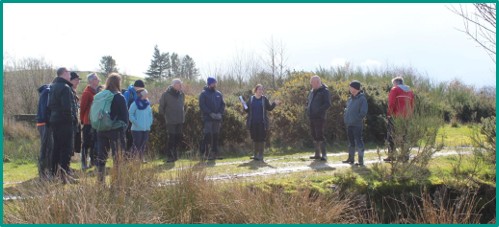
Community engagement has been a strong theme of the River Annan Restoration project. There have been community consultations, family walk and talks, drop-ins, surveys and educational visits to local schools. These were done with the aim of raising awareness of the local pressures on the River Annan and to gather knowledge and support for future sites and projects. Education and outreach through a project-specific education program rolled out across 4 schools within the catchment. This included targeted physical activities with fluid dynamics and invertebrate identification as well as games/wordsearches and a photography competition. Supporting volunteers with habitat surveys, tree nurseries and invertebrate monitoring. Working with landowners, local estates and tenant farmers to identify restoration opportunities and encourage/support the integration of nature restoration into land management. There has also been an element of engagement with local businesses, partnerships with the D&G Chamber of Commerce to deliver events targeted at local companies who have a stake in the health of the river.

