Nominee Summary
The Ettrick Marshes partnership addressed a significant barrier to fish migration at Ettrick Marshes, a 53-hectare wetland and one of the best examples of floodplain forest in the UK. Following the discovery that 300–400 metres of the River Ettrick's original channel had become blocked by an estimated 10,000 tonnes of gravel and woody material, restricting access to upstream habitat, the River Tweed Commission brought together Scottish Borders Council, NatureScot, SEPA, Tweed Foundation, Lord Napier, the Ettrick and Yarrow Community Development Company and local land managers to develop a shared solution. The project restored fish passage, enhanced biodiversity, improved river resilience.
What was the motivation?
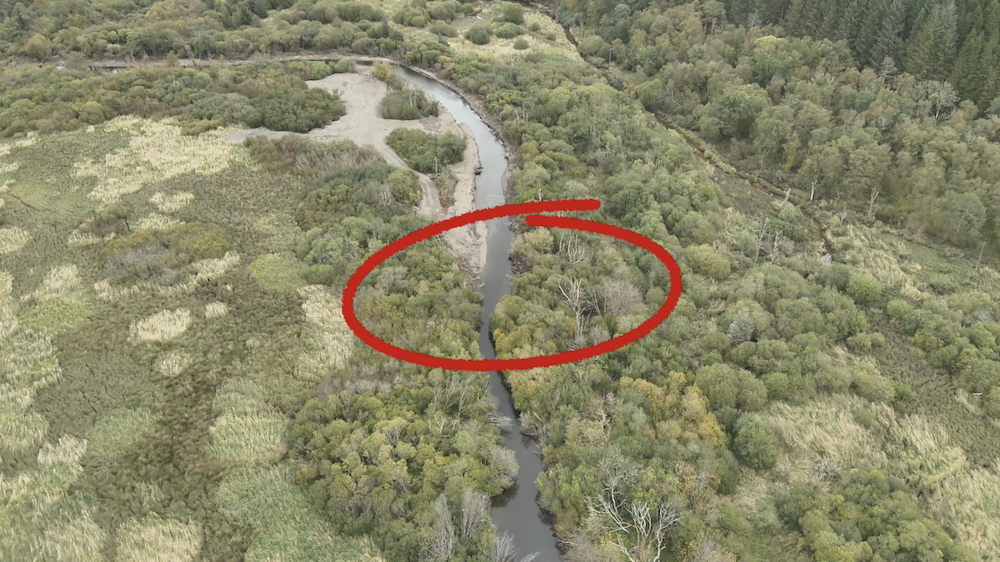
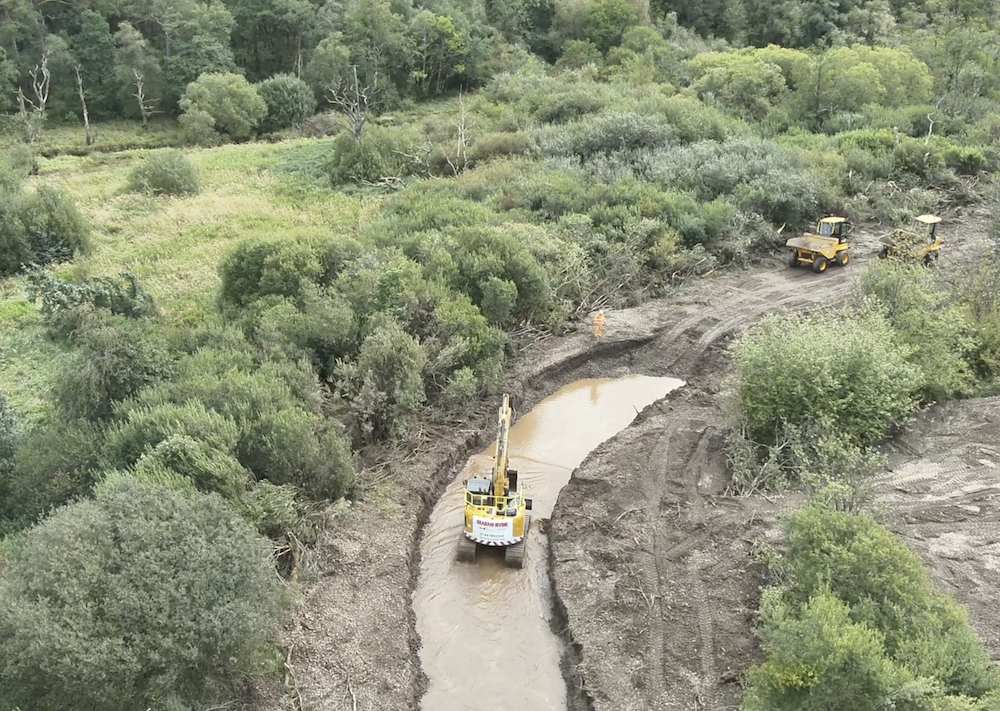
The Ettrick Marshes, situated on the upper River Ettrick, historically allowed migratory fish to move freely upstream. Due to its remote inaccessible nature, a blockage went unnoticed for several years. The issue came to light in late 2023 when a local resident alerted the River Tweed Commission to a possible obstruction. Investigations undertaken in 2024 identified significant woody debris accumulation within the main channel, causing gravel deposition, localised channel dewatering, and disruption to natural flow processes. At that stage, fish passage remained possible during high-flow events and the site was monitored to assess whether natural recovery would occur. However, follow-up assessments in May 2025 confirmed a marked deterioration in conditions. Approximately 300–400 metres of the original river channel was blocked by an estimated 10,000 tonnes of gravel and woody material. The obstruction had progressively altered river morphology, fragmented aquatic habitats and effectively prevented migratory fish, particularly Atlantic salmon, from accessing important upstream spawning and nursery habitats. Protecting biodiversity, habitats and species was the driving force behind the project. Extensive consultation with Scottish Borders Council, NatureScot, SEPA, local landowners/managers, and the community helped develop a solution that delivered benefits for both nature and people. Following the securing of Nature Restoration Funding through the Scottish Borders Council ecology and engineering teams, the River Tweed Commission led a carefully planned restoration programme that restored river connectivity, reopened access to vital habitat and secured long-term benefits for Atlantic salmon, sea trout, brown trout, and the wider river ecosystem.
The impact of their work
The Ettrick Marshes restoration project has delivered significant and lasting benefits for biodiversity, river resilience, and local communities. The removal of approximately 10,000 tonnes of gravel and woody material restored fish passage to upstream habitat, securing long-term access to important spawning and nursery areas for Atlantic salmon, sea trout, and brown trout. The project successfully restored river connectivity, improved natural flow processes, and enhanced the ecological function of Ettrick Marshes, a 53-hectare wetland and one of the finest examples of floodplain forest in the UK. By reconnecting habitats and restoring access to critical spawning areas, the project has strengthened the resilience of one of Scotland's most important salmon rivers and delivered lasting benefits for biodiversity across the wider catchment. Beyond the environmental benefits it also demonstrated how conservation organisations, regulators, landowners, and communities can work together to deliver practical, evidence-led nature recovery.The project now stands as an example of partnership-led freshwater restoration and will contribute to the conservation of Scotland’s iconic migratory fish populations.
Including the community
Community involvement was central to the Ettrick Marshes project. The issue first came to light when a local resident alerted the River Tweed Commission to a potential obstruction within the marshes, highlighting the important role local knowledge played in identifying the problem. Throughout the project, the River Tweed Commission worked closely with local residents, landowners, Scottish Borders Council and the Ettrick and Yarrow Community Development Company to understand concerns and develop an agreed solution. The project demonstrated how conservation and community interests can be successfully aligned. By involving local stakeholders throughout the planning and delivery process, the partnership ensured that environmental objectives were achieved while responding to local priorities. The restoration has also helped raise awareness of the importance of river connectivity, migratory fish, and healthy freshwater ecosystems. Through engagement with partners, landowners and community representatives, the project has highlighted the value of collaborative, evidence-led conservation and provided a positive example of how communities can contribute to successful nature recovery.
Conservation Entry – Ettrick Marshes Restoring Scotland’s Floodplain Forest https://youtu.be/LfhO-s4yJ3A?si=BSU1kEUHXr2hUc6R