Nominee Summary
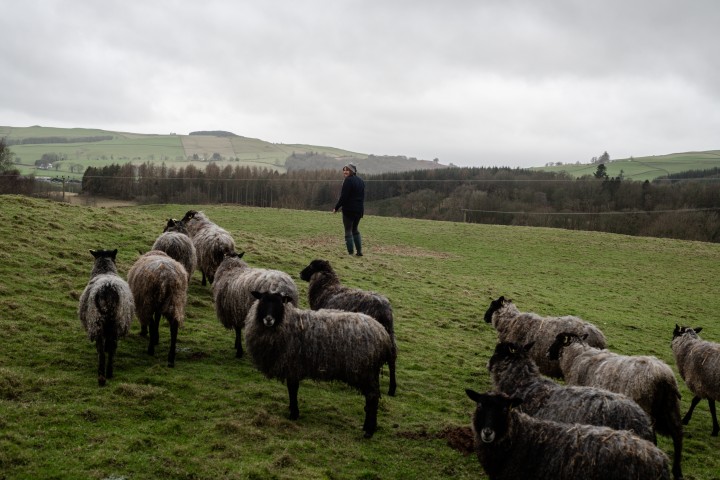
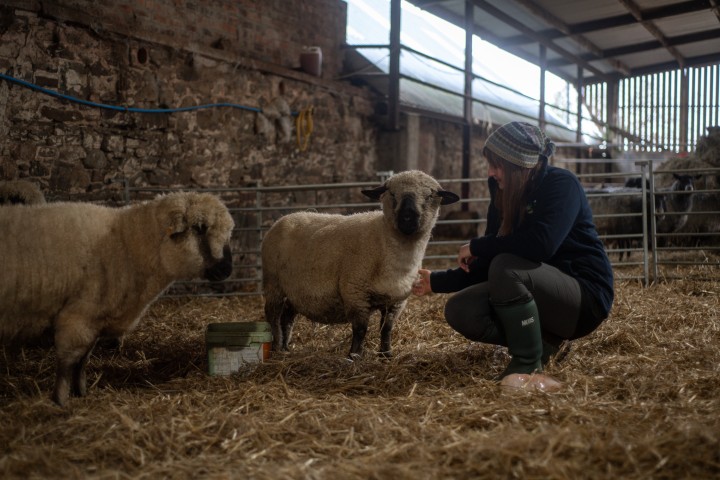
Ruth is an organic farmer on an 80-acre farm producing wool, meat, and eggs through regenerative practices that prioritise soil health, biodiversity, and high animal welfare. Ruth focuses on rare and native breeds, supporting resilient, localised food systems that are both environmentally and economically sustainable. She was awarded Sustainable Small Farm of the Year in the Rare Breeds Survival Trust Awards 2025 at the recent RHS. Ruth and her husband had previously lived in Manchester, where they operated a design consultancy with international clients. She is Vice Chair of the Scottish Steering Group for the Nature Friendly Farming Network.
Nominee – Qualities
Access to land, funding, and markets were initial barriers, but the biggest challenge was carving out a viable path as a small-scale enterprise in a food system geared toward scale and efficiency. Instead of scaling up, Ruth chose to deepen her approach - focusing on quality, ecology, and community. This meant finding her own route to profitability, building direct relationships with customers, and exploring unconventional ideas like combining food events with farming. Ruth has also had to navigate the emotional and mental toll of running a farm as a sole female operator, balancing family and business, often in the face of scepticism. She made a conscious decision to put wellbeing - hers and others’ - at the heart of the farm, creating an inclusive, supportive space where people can feel a sense of belonging and purpose. Her persistence in the face of these barriers has paid off: she has built a respected business rooted in sustainable values, with a growing reputation for innovation and quality. Her story is one of adaptability, grit, and imagination - a demonstration of how farming can thrive beyond traditional models, even under pressure.
Nominee - Sectoral Impact
A passionate advocate for sustainable and local food systems, Ruth challenges traditional farming norms and champions change for small producers across Scotland. She has appeared on both regional and national TV to discuss farming’s most pressing issues and is always eager to listen, learn, and engage in conversations about food, farming, and nature, believing the industry holds the power to create change. Ruth focuses on developing nature-friendly practices that create a profitable and sustainable farm business. When Ruth first arrived at Low Auldgirth Steading, the fields looked like “neatly mown lawns,” but this has since changed. Rotational grazing of the sheep, combined with the rootling activities of the pigs, has encouraged dormant seeds in the soil to start growing again, increasing plant diversity and encouraging wildflowers. The whole process happened naturally, with Ruth avoiding ploughing, replanting or spraying glyphosate. Instead, she let nature take the lead, utilising what was already available on the farm. Since starting the conversion, Ruth has regularly monitored progress through soil testing and has become a self-confessed 'soil geek,' measuring her success by the increased diversity of root structures, earthworm numbers, and rhizome quality across her farm’s varied soil types, which range from thin and sandy to stony and loamy. She recently won the Rare Breeds Survival Trust Sustainable Small Farm of the Year Award presented by Jim Fairlie MSP at this year’s Royal Highland Show – “Low Auldgirth shows that small farms can be productive, profitable, and powerful agents of environmental change”.
Nominee - Going the extra mile
In addition to increasing diversity in the pasture, Ruth has been busy planting trees and hedgerows to create and connect existing habitats across the farm. This not only supports wildlife but also increases forage availability for livestock and provides shelter from the elements. Boggy, unproductive areas of the farm have been converted into nature-friendly wetlands, and a quarter of an acre has been transformed into a pond. These projects are not only boosting biodiversity but also playing a crucial role in making the farm more resilient to climate change and extreme weather. The River Nith, which borders Ruth’s land, floods most years and Ruth is keen to explore and demonstrate how farming more consciously can help slow the flow of water, reducing the risk of downstream devastation for her neighbours. Community is very important to Ruth, who believes nature-friendly farms are central to rural life. Her meat is sent to local abattoirs and butchers before being sold online or directly to customers who visit the shop. Wool from the sheep is also processed and sold to weavers, spinners, dyers, and knitters. Ruth is keen to highlight the importance of the nature-friendly farming community, whether through national organisations like the NFFN or local groups such as Regenerative Agriculture Southwest Scotland. All of Ruth’s efforts have paid off when it comes to biodiversity on the farm. Ruth was especially delighted when curlews nested on her land for the first time in over a decade.