
Nominee Summary
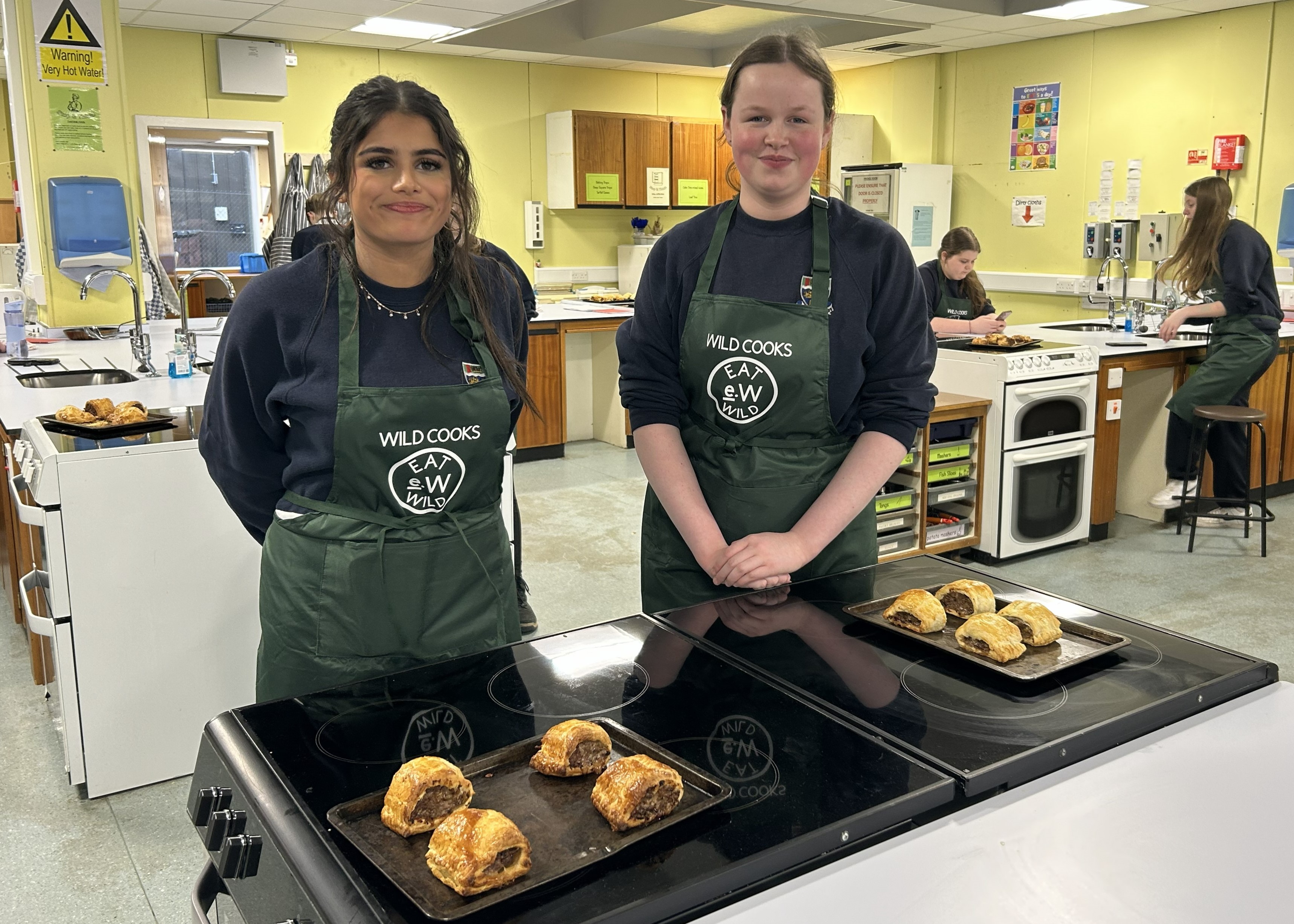
The Wild Cooks initiative at Aboyne Academy is a collaborative programme equipping S3 pupils with practical cooking skills, promoting healthy eating, and increasing awareness of locally sourced food. Brainchild of Local Councillor, Geva Blackett and Hal Salvesen, Findrack Estate, the project delivered in partnership with local chefs, estates, and businesses, providing hands-on experience using sustainable ingredients including venison. Pupils prepare dishes weekly, recreating them at home; strengthening skills and family engagement. Developed in response to the cost-of-living crisis, the initiative encourages independence, reduces reliance on processed foods, fostering a lasting appreciation for local produce, community collaboration, and sustainable food practices.
The preservation of skills
The Wild Cooks initiative plays a significant role in preserving and revitalising essential life skills that are at risk of being lost in modern society. At its core, the programme focuses on teaching young people how to cook from scratch, an invaluable skill that supports independence, health and cultural continuity. Through the sessions, pupils are guided by a range of local professional chefs, each bringing their own expertise and techniques. This exposure enhances technical ability and introduces pupils to a variety of cooking styles and methods rooted in local culinary traditions. The use of locally sourced ingredients, including venison, further connects participants to the heritage and food culture of Deeside. The project emphasises practical, hands-on learning, ensuring that skills are actively developed rather than passively observed. By preparing dishes themselves and then recreating them at home, pupils reinforce their learning and build confidence in their abilities. This repetition is key to embedding skills to be carried into adulthood. Importantly, the initiative promotes the social and cultural aspects of cooking. Encouraging pupils to cook for their families, it fosters shared experiences and reinforces the role of food in bringing people together; helping preserve technical skills, traditions of communal eating and home cooking. Supported by a wide network of local partners, the programme ensures that these skills are taught to a high standard and remain relevant. In doing so, Wild Cooks contributes to safeguarding essential knowledge for future generations and gives a grounding for potential future professional work supporting the local economy.
Increasing awareness
A central strength of the Wild Cooks initiative is its ability to raise awareness among young people about food provenance, nutrition, and the benefits of local produce. By engaging pupils in this structured, hands-on programme, the project creates meaningful learning experiences that extend well beyond the classroom. Each session introduces pupils to new ingredients and dishes, with a strong emphasis on sourcing food locally. This approach helps participants understand the availability and value of produce within their own community in Deeside. By working with ingredients such as locally sourced venison, pupils gain insight into sustainable food systems and the role of local estates and producers. The involvement of a wide range of partners, including Eatwild, Baxterstorey, NHS Grampian catering, and local hospitality venues, broadens pupils’ awareness of potential career pathways within the food and hospitality sectors. Interaction with professional chefs provides inspiration and demonstrates the practical application of skills in real-world settings. The opportunity for pupils to recreate dishes at home further amplifies awareness by engaging families and encouraging conversations around healthy eating and food choices. This ripple effect ensures that the programme’s impact reaches beyond participants to the wider community. Additionally, the MasterChef-style finale and associated experiences, such as cooking at the Fish Shop in Ballater, help showcase the programme’s achievements and raise its profile. Overall, Wild Cooks successfully increases awareness of sustainable, healthy, and locally rooted food practices among young people and their communities.
Ethical/environmental standards
The Wild Cooks programme emphasises ethical sourcing and environmental responsibility, embedding these principles into every aspect of its delivery. Central to the initiative is the use of locally sourced produce, particularly venison generously donated by local sporting estates, which highlights sustainable land management practices, reducing food miles. By introducing pupils to venison and other local ingredients, the programme promotes an understanding of seasonal, sustainable food systems. Pupils learn not only how to prepare meals but also where their food comes from, encouraging a deeper appreciation of responsible sourcing and the environmental impact of dietary choices. The involvement of partners such as Findrack and Finzean Estates, Baxter Storey, Douneside Hotel and the Fish Shop, ensures the food used aligns with high welfare and sustainability standards, reinforcing the importance of ethical supply chains. Importantly local producers prioritising environmentally sound practices are supported. In addition, the project actively encourages a reduction in food waste. By teaching pupils to cook from raw ingredients and plan meals, a more mindful approach to food consumption is encouraged. The practice of recreating dishes at home further reinforces efficient use of ingredients and minimises unnecessary waste. Through engagement with professional chefs and industry partners, pupils are exposed to best practices in sustainable cooking and responsible procurement. This holistic approach ensures that ethical and environmental considerations are not treated as abstract concepts but as practical, everyday decisions. The programme therefore plays a vital role in shaping environmentally conscious behaviours in the next generation.
Noteworthy improvements
The initiative has delivered clear, measurable improvements in participants’ skills, confidence, and attitudes towards food. Over the course of the programmes, pupils progressed from basic understanding to confidently preparing a range of dishes, demonstrating significant development in practical cookery skills. One of the most notable improvements being the shift in pupils’ perceptions of food. Through hands-on experience with fresh, local ingredients, participants gained a greater appreciation for cooking from scratch, being less reliant on processed foods. This change supports healthier eating habits and contributes to long-term wellbeing. Confidence is another key area of growth. By working alongside professional chefs and successfully recreating dishes both in school and at home, pupils build self-assurance in their abilities. This confidence often extends beyond the kitchen, supporting broader personal development. The project also strengthens connections between school and home life. By encouraging pupils to cook for their families, it fosters improved communication and shared experiences, enhancing family relationships and reinforcing learning outcomes. From a community perspective, the initiative has strengthened partnerships between education, local government, estates, and the hospitality sector. This collaborative model has proven effective and provides a strong foundation for future programmes. The final MasterChef-style competition offered a tangible goal, motivating pupils and celebrating their achievements. The opportunity for winners to cook in a professional kitchen further highlights the progress made. Overall, the program demonstrated meaningful and lasting improvements across multiple areas including anxiety and confidence issues. It is being re-run in October 2026 and hopefully introduced to further schools in Aberdeenshire.
Overcoming Challenges
Demonstrating a powerful response to the real challenges faced by young people and families, particularly in the context of the cost-of-living crisis and rising food insecurity. Designed for S3 pupils, the programme directly addresses barriers to accessing nutritious, affordable food equipping participants with practical cooking skills and confidence in the kitchen and encourages families to eat together. A key challenge the project tackles is the growing reliance on processed, shop-bought foods, often driven by limited time, knowledge, or resources. Through eight structured weekly sessions led by professional local chefs, pupils gain hands-on experience preparing meals from scratch using accessible, locally sourced ingredients. The course also visits a local farm shop to build awareness of local employment opportunities provided by venison at the core. This approach not only builds competence and resilience but also empowers pupils to make healthier, more informed food choices. Importantly, the initiative extends beyond the classroom. By providing pupils with ingredients to take home and recreate dishes for their families, the project reinforces learning while fostering intergenerational engagement. This helps overcome social and economic barriers by bringing families into the experience and demonstrating that nutritious meals can be both affordable and achievable. The collaboration between Aboyne Academy, local estates, hospitality partners, and NHS Grampian catering ensures that expertise, resources, and community support are effectively mobilised. Led by Head Teacher Michael Foy and Councillor Geva Blackett, the project reflects a proactive and community-driven effort to mitigate hardship while inspiring creativity and resilience among young people.