

Nominee Summary
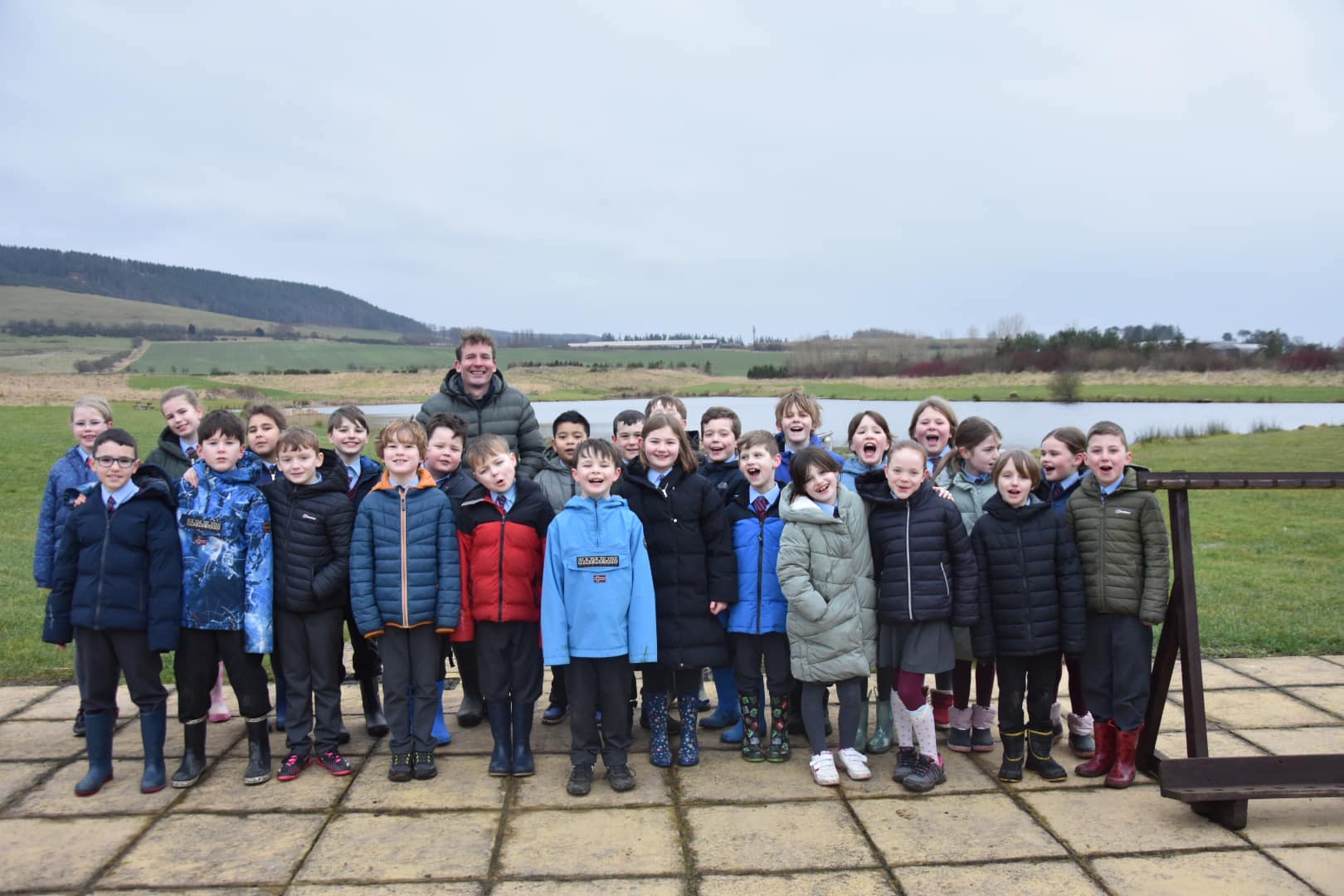
The Tweed Foundation's education initiatives, TweedStart and Go Wild for Fish, are transforming how young people engage with the River Tweed. These programmes raise river awareness and inspire a lifelong connection to the environment. We deliver curriculum-linked river education sessions directly into classrooms and outdoors, reaching over 3,900 children annually. Our Living Tweed sessions offer primary school children firsthand experiences with river life. The TweedStart programme takes young people angling, teaching them about aquatic ecosystems and the importance of healthy fish populations—highlighting the significant physical and mental health benefits of outdoor engagement.
The preservation of skills
Ben McCallum, through his leadership of the Tweed Foundation’s TweedStart programme, has played a central role in identifying and preserving traditional rural and river-based skills. Recognising the decline in young people learning fly fishing, rivercraft, and aquatic ecology, Ben developed a structured pathway that starts with introductory sessions and progresses to advanced courses and mentoring. He created TweedStart Plus, a four-week programme covering casting, fly-tying, entomology, equipment handling, and safe, responsible angling. By embedding modules such as ecology and responsible fishing, the programme ensures rural skills are taught alongside environmental ethics. Through the Dynamic TweedStart Award, Ben also introduced accredited learning via the Dynamic Youth Award, aligning traditional field skills with formal educational outcomes. The TweedStart Ambassadors programme, launched under his guidance, supports young anglers in becoming peer mentors and advocates — building confidence and embedding skill-sharing in the heart of rural communities. Ben’s work ensures these essential rural traditions are not only preserved but made accessible and relevant to new generations.
Increasing awareness
Through the TweedStart and Go Wild for Fish programmes, Ben McCallum has significantly increased awareness of fishing and environmental education across the River Tweed catchment, covering the Scottish Borders and parts of North Northumberland. In 2024, over 3,900 children took part in hands-on education — from learning fly fishing, aquatic ecology, invertebrate identification, and conservation. Ben has forged partnerships with schools, angling associations, community groups and landowners to bring these skills into both the classroom and riverside. To extend the reach and raise a wider awareness, Ben regularly produces short video updates from the field These engaging clips help inspire a broader interest. He also leads the Foundation’s presence at local shows and events, including school fairs, angling festivals, and the Opening of the Salmon Season, where young ambassadors share their experiences and promote the importance of rivers and responsible fishing. Programmes like the Dynamic TweedStart Award and Trout in the Classroom ensure rural learning is tied to curriculum outcomes and personal development — deepening understanding across age groups.
Ethical/environmental standards
Ben McCallum ensures all Tweed Foundation education programmes meet the highest ethical and environmental standards by embedding conservation, responsibility, and community engagement at their core. Every TweedStart session teaches safe, sustainable angling and promotes catch-and-release practices. Participants learn how to protect riverbanks, avoid spreading invasive species, and respect access rights. Sessions include biosecurity awareness and encourage responsible outdoor behaviour. Ben also fosters a deeper understanding of river ecology — inspiring children to care about the nature, health, and future of the Tweed. He works closely with local landowners, ghillies, and angling clubs to deliver the programmes, ensuring access to suitable venues and reinforcing rural partnerships. Locations like Kailzie Trout Fishery, Chatton Trout Fishery, Boathouse & Canny Fishing Beat, and Whiteadder Watersports Fishing are chosen not just for their facilities, but for their local roots and community value. Where possible, equipment and supplies — such as tanks, fly-fishing and fly-tying materials, and branded clothing for young ambassadors — are sourced from local or Scottish-based suppliers, supporting small businesses and reducing environmental impact. Ben also ensures the community shares in the benefits of the programme: from parents attending events, to local tradespeople assisting with infrastructure, and volunteers supporting delivery — the Foundation’s education work brings rural people together with shared purpose and pride.
Noteworthy improvements
Ben McCallum’s efforts have significantly strengthened and expanded the Tweed Foundation’s educational reach, transforming one-off experiences into long-term learning journeys that build skills, confidence, and environmental awareness. His development of progression pathways — from TweedStart Days to TweedStart Plus, the Dynamic TweedStart Award, and the TweedStart Ambassador programme — has created a structured and inclusive framework that allows young people to deepen their understanding of river ecosystems, rural life, and sustainable angling. Ben’s collaboration with local schools has led to stronger ties with teachers, better curriculum integration, and repeat participation year after year. His ability to adapt sessions to suit different learning styles and school settings has made the programmes accessible across diverse communities in the Tweed catchment. Through short video updates, engaging social media content, and appearances at local shows, Ben has raised the profile of the Foundation’s education work, attracting new supporters, volunteers, and funders. His enthusiasm and visibility have inspired greater trust among landowners, enabling wider access to fishing venues and natural habitats. As a result, the Tweed Foundation’s educational work has moved beyond simple outreach — it now stands as a respected, year-round programme that bridges science and tradition, connects young people to nature, and strengthens community involvement in river conservation across the Scottish Borders and North Northumberland.
Overcoming Challenges
Ben McCallum has overcome several significant challenges to build the Tweed Foundation’s education programme into the respected initiative it is today. One major challenge has been accessibility — many schools across the Tweed catchment are rural and remote, with limited transport options and time for extracurricular activities. Ben has tackled this by delivering both in-school and riverside sessions, tailoring activities to fit around timetables and reducing barriers for participation. His flexible, mobile approach ensures that even the smallest schools can access quality outdoor learning experiences. Another challenge has been the perception of angling as inaccessible or outdated among younger generations. Ben has worked hard to modernise how fishing is introduced — using engaging visuals, beginner-friendly techniques, and relatable explanations about ecology, conservation, and mental health benefits. By linking fishing with environmental responsibility and wellbeing, he has reshaped attitudes and sparked genuine interest among children, teachers, and parents. Securing resources for young people — from equipment to suitable venues — has also required persistence. Ben has built strong relationships with landowners, clubs, and local businesses, securing safe and welcoming locations, and sourcing gear through sponsorship and community donations. His creativity, determination, and deep local knowledge have helped overcome these obstacles, enabling hundreds of young people to experience rivers, learn rural skills, and grow in confidence.

