Nominee Summary
GWCT are a leading UK charity conducting conservation science to enhance the British countryside for public benefit. For over 90 years we have been researching and developing game and wildlife management techniques. We use our research to provide training and advice on how best to improve the biodiversity of the countryside. including using science to promote game and wildlife management as an essential part of nature conservation
What was the motivation?
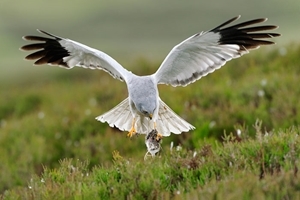
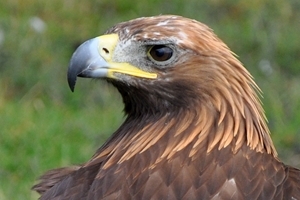
The aim of the Raptor Transect Survey Project work is to build a simple index of conservation status for key raptor species, with the goal of enabling the GWCT’s biometrics team to detect long-term trends and raptor conservation status indices in these areas. Over the last four year of the Raptor Transect Survey Project, carried out from April-July each year, independent surveyors record the presence of raptors along 10km routes in different areas of moorland across Scotland.
The impact of their work
These surveys are increasingly giving us a better picture of raptor numbers on different areas of heather habitat, helping to illustrate the contribution of moorland and its sustainable management to Scotland’s biodiversity. The Agriculture and Rural Communities (Scotland) Act was passed in June, paving the way for farm subsidy support to change from an area-based approach towards payment for environmental outcomes. It includes provision for a sustainable and regenerative farming code of practice, which the GWCT policy and Scottish Demonstration Farm teams will be assessing. The Act also provides scope to support landscape-scale collaboration. GWCT Scotland has long argued the case for facilitation funding, like the assistance provided to farmer clusters in England.
Including the community
Farmer cluster research findings from a survey and workshop held in late June (funded and attended by Scottish Government) are that facilitation funding is essential for the development of farmer clusters and landscape-scale collaboration in Scotland. The GWCT and two of our clusters contributed to the workshop. This project is also helping grouse moor owners, tenants and keepers demonstrate compliance and best practice and this work is supposed by the Scottish Regional Moorland Groups.