Submission Details ------------------
Nominee Summary
Countryside Learning Scotland (CLS) is an education charity that delivers extraordinary work across Scotland. With the need to strengthen resilience to our rural communities and reverse fragility of our rural economy, CLS delivers with the urgency to improve rural awareness, sustain skills and create ready workers in generations to come. Through the charity’s flagship initiative – Pathways to Rural Work (P2RW) – CLS supports not only the sustainable career pathways and livelihoods of youngsters, but also reinforces rural business. P2RW protects and enhances our environment, heritage and communities by increasing young skilled workers across Scotland’s diverse rural landscape.
The preservation of skills
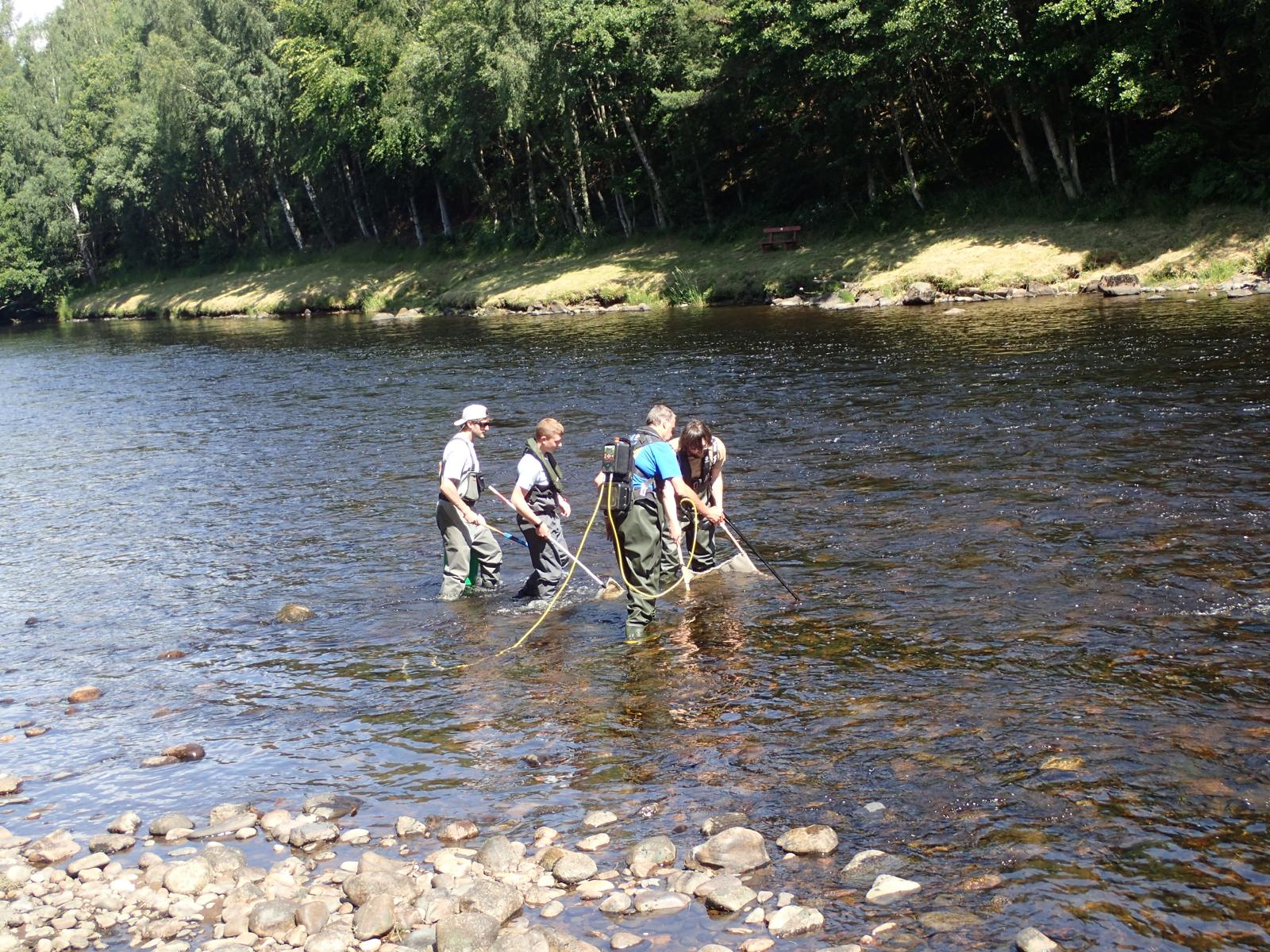
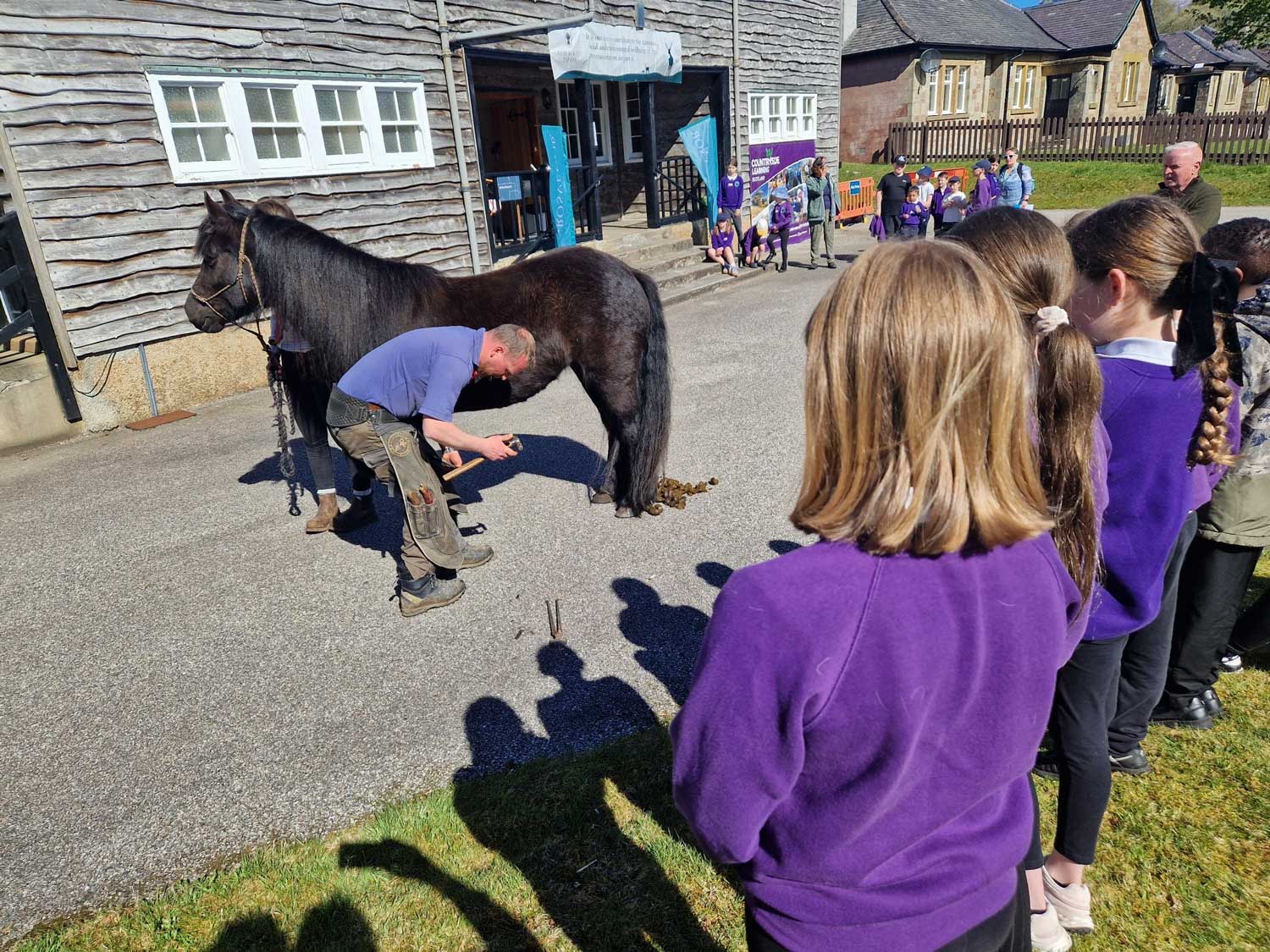
Countryside Learning Scotland’s Pathways to Rural Work (P2RW) programme demonstrates to young people that traditional skills remain essential within Scotland’s rural and business landscape. For example, the CLS-coordinated Reay Forest Estate Schools Open Day highlighted the continued importance of working ponies, even within a modernising estate operation. The preservation of such skills is vital to sustaining rural communities, businesses and the wider rural economy. P2RW recognises that traditional skills cannot be preserved without creating a skilled, employable next generation to carry them forward. The programme develops both technical and transferable skills, highlighting that “beyond technical and practical rural skills, pupils develop vital employability and life skills, including communication, teamwork, problem-solving, timekeeping, and health and safety awareness” (Kingussie High School Guidance Teacher). Without these broader employability skills, young people are less able to access, sustain and progress within rural careers, placing traditional industries and skills at risk of decline. Through opportunities including livestock health and handling, woodland management and fly fishing, P2RW increases young people’s skills, confidence and employability within rural careers. The new Rural Employability Scheme (RES) further strengthens this by providing structured skills training and employability support, helping address Scotland’s shortage of young rural workers. CLS also recognises the pressures modern and sustainability policy place upon traditional practices. P2RW events such as Sustainable Traditions at The Macallan Estate demonstrate how traditional rural skills continue adapting to enhance biodiversity, reduce carbon footprints and remain sustainable for future generations.
Increasing awareness
Countryside Learning Scotland’s Pathways to Rural Work (P2RW) programme places awareness and engagement at the centre of its delivery, recognising that raising awareness of rural careers, businesses and opportunities is fundamental to strengthening rural communities and economies. Since 2015, P2RW Coordinators have engaged with 14,368 young people across 56 schools, demonstrating the programme’s extensive reach across Scotland’s rural regions. The impact of this awareness-building work is significant. Following P2RW-coordinated Geography visits to local rural businesses in the Northwest Highlands, Gairloch High School reported attainment increasing from 55% to 95% (see Emma Wotherspoon quote doc). This demonstrates how meaningful engagement with local industries can inspire young people, strengthen educational outcomes and build foundations for future rural career pathways. P2RW also increases awareness through strong collaboration with local businesses, organisations and community groups. Partnerships with local stakeholder organisations including Cairngorms Farmers and Crofters Community, Strathspey & Seafield Estates and Developing Young Workforce amplify the programme’s reach and ensure awareness activities remain rooted within local communities. By connecting young people directly with employers and rural enterprises, P2RW supports community resilience and encourages young people to live and work within rural Scotland. The initiative also raises awareness among educators and businesses through teacher training and the updated Rural Mentor Qualification - from helping employers to confidently and safely engage with young people, whilst enabling schools to understand the vast opportunities that rural provides for pupils.
Ethical/environmental standards
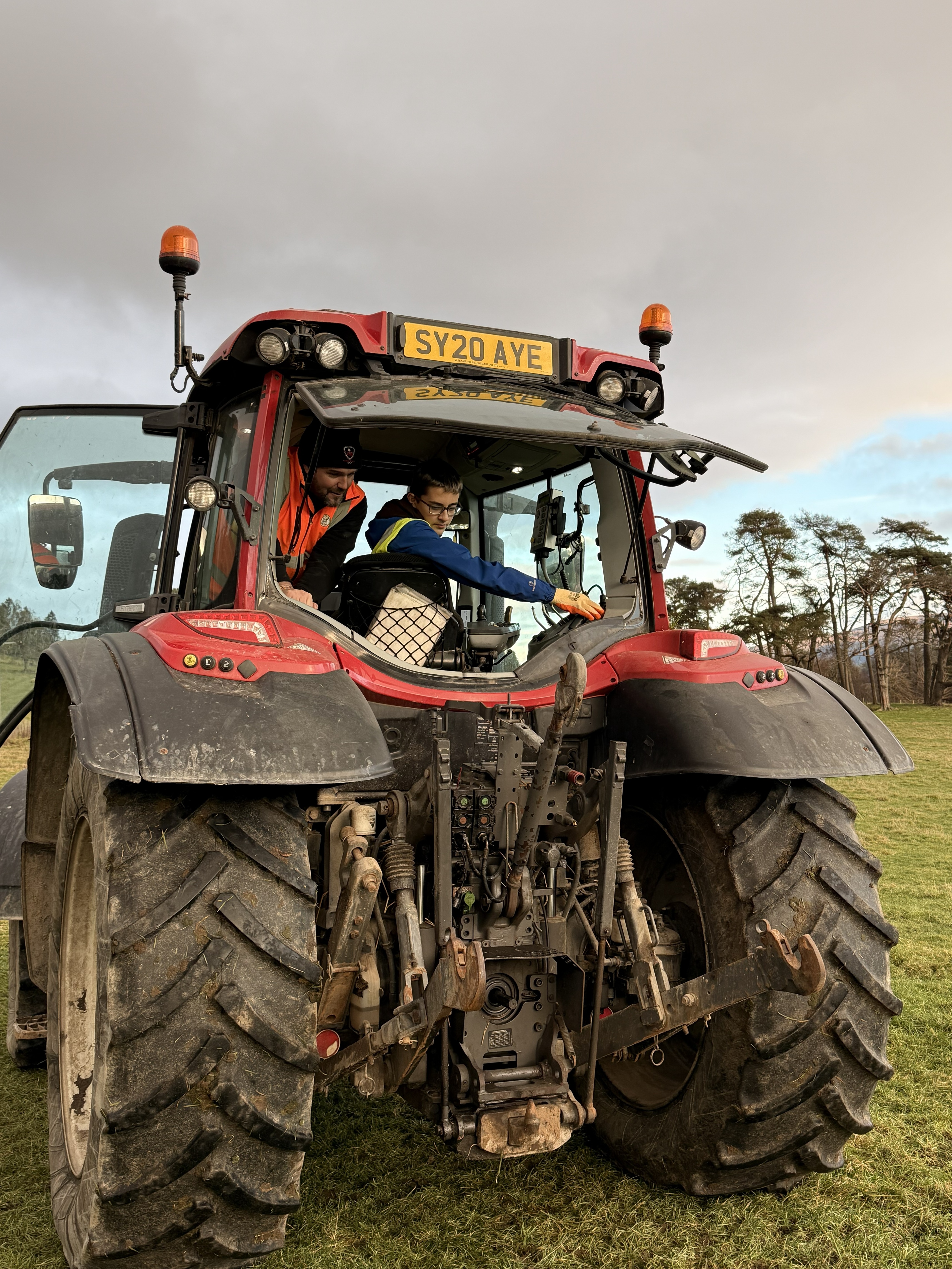
P2RW promotes opportunities across traditional, environmental, recreational and supply chain rural industries, strengthening connections between these sectors and supporting resilient rural economies. Through P2RW, CLS showcases career pathways available while highlighting the vital role rural employment plays in sustaining thriving communities. Inclusivity is central to CLS’s mission, and the opportunities created through P2RW are accessible to all young people. A key example is the ADHD Rural Connect project, Scotland’s first rural education programme specifically designed for neurodiverse. The initiative continues to grow, providing pupils across Perthshire with industry exposure and skills training, including opportunities such as the Lantra 13-15yo Tractor Driving Course. The programme’s impact extends beyond employability skills. One parent described her autistic son’s involvement with P2RW as “life changing,” explaining that it gave him “the opportunity to show his worth, to have a bright future when no one else would.” Through tailored support, mentoring and opportunities, he progressed from social isolation and low confidence to becoming a member of the Youth Action Group, pursuing training and leadership opportunities and joining the international angling exchange trip to Canada. CLS recognises that not all young people choose higher education and that many can feel overlooked within traditional academic pathways. P2RW provides practical learning experiences, skills development and career routes that enable young people of all backgrounds to succeed. As environmental industries become increasingly important drivers of rural employment, P2RW integrates environmental education and green skills throughout its delivery, helping young people, businesses and communities prepare for a sustainable, climate-resilient future.
Noteworthy improvements
Since its launch, P2RW has continually evolved to increase its impact, most notably through recognising that young people require greater support to transition successfully from school into the workplace. While many outreach programmes focus on participation numbers alone, CLS identified a need for more meaningful, long-term engagement that delivers lasting outcomes for individuals. In response, P2RW developed its latest initiative, the Rural Employability Scheme (RES). RES provides young people with a comprehensive journey of skills development, mentoring, industry connections and practical experience over two years and beyond, supporting them towards sustainable rural employment and/ or further education. By prioritising quality over quantity, RES aims to create meaningful change in the lives of Scotland’s future workforce and address the shortage of young people entering rural careers. Alongside this, P2RW continues to strengthen and expand its network of partnerships across Scotland’s rural and outdoor sectors. Increasingly, the programme recognises that its greatest value lies not only in creating opportunities directly, but in connecting stakeholders to one another. P2RW acts as a bridge between schools and local businesses, young people and funding opportunities, employers and training providers, and organisations working towards shared rural outcomes. By addressing gaps in communication, coordination and awareness between education providers, businesses, public bodies and NGOs, P2RW is fostering stronger collaboration across sectors. This approach creates more effective pathways into employment, strengthens workforce development and builds resilience within rural communities and Scotland’s wider rural economy.
Overcoming Challenges
Rural Scotland faces significant challenges in developing and sustaining its future workforce. Young people are unaware of the breadth of rural opportunities available, while businesses struggle to recruit skilled workers and engage confidently with the next generation. Schools, employers and training providers can also work in isolation, creating gaps in awareness, skills development and progression into employment. Through P2RW, CLS has worked proactively to overcome these barriers. By strengthening collaboration between schools, employers, training providers and community organisations, P2RW has increased awareness of rural careers, improved access to training and created stronger pathways into employment. Teacher training and the revitalised Rural Mentor Qualification have strengthened relationships between education and industry while increasing employer confidence working with young people. CLS has also tackled barriers to skills development by improving awareness of funding opportunities. Since December 2025, the team has supported more than 20 young people in the Cairngorms to secure £7,244 through the Next Generation Practical Training Fund, enabling access to Lantra-accredited training and removing financial barriers to career progression. However, CLS recognised that awareness, training and work experience alone are not enough. Too many young people still fall between education and employment, lacking support to navigate their transition into work. In response, CLS developed the Rural Employability Scheme (RES), providing structured employability support, skills training, mentoring and progression opportunities. RES creates clear pathways from school to sustainable rural employment, helping address workforce shortages while equipping young people with the confidence, skills and support needed to build careers in rural Scotland.