Nominee Summary
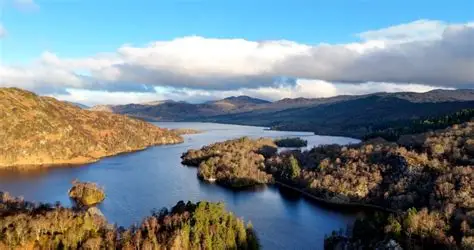
The Loch Katrine peatland restoration project is a flagship nature-based solution delivering measurable benefits at scale. Over 200 hectares of degraded peatland have been restored within a nationally important water catchment, improving water quality for over one million people while reducing treatment costs. Through innovative techniques and strong partnership working, the project addresses climate change by restoring carbon-storing ecosystems and enhancing biodiversity. It demonstrates how integrated catchment management can deliver environmental resilience, public value and economic efficiency, making it a leading example of sustainable infrastructure and collaborative delivery in Scotland.
What was the motivation behind the work which was undertaken?
The primary motivation for the Loch Katrine peatland restoration project is to protect and enhance the quality of drinking water supplied to over one million people across Glasgow and the surrounding areas. Degraded peatlands release organic material into watercourses, particularly during heavy rainfall, which increases treatment requirements and operational costs. By restoring peatlands to a healthy, water-retaining state, Scottish Water is tackling this issue at source—improving raw water quality before it reaches treatment works. A second key driver is climate action. Healthy peatlands function as major carbon sinks, storing carbon rather than emitting it. Restoring degraded peat contributes directly to Scotland’s climate targets and supports Scottish Water’s ambition to reach net zero emissions by 2040. The work is also part of a broader, long-term catchment management strategy, integrating peatland restoration with woodland creation and landscape-scale environmental stewardship. This holistic approach reflects a commitment to sustainable land management that benefits both people and nature. Ultimately, the project is motivated by the need to secure resilient, high-quality water supplies while addressing the interconnected challenges of climate change, biodiversity loss and environmental degradation.
Overcoming Challenges
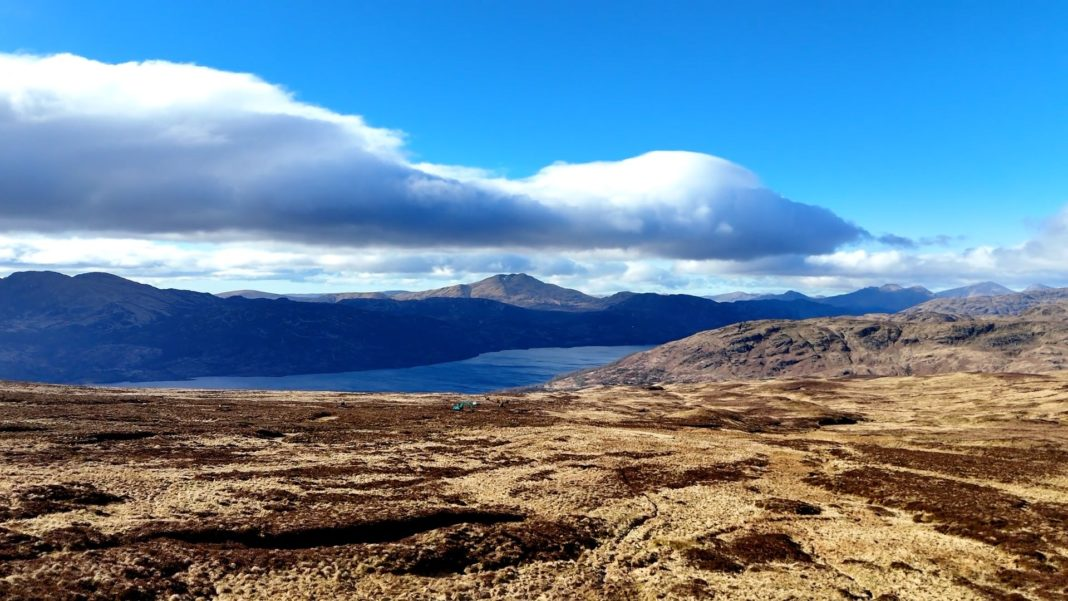
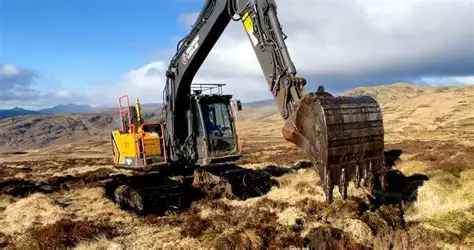
Delivering peatland restoration at Loch Katrine presented a range of environmental, logistical and operational challenges. The site lies within a remote upland catchment in Loch Lomond and The Trossachs National Park, where access is difficult and weather conditions are highly variable. Winter conditions in particular limited access to sites and complicated construction activities, requiring careful planning and flexible delivery to ensure progress continued safely. The degraded peatland itself posed technical challenges. Historic drainage for agriculture and damage from grazing animals had created exposed peat “hags” and erosion channels. These required specialist techniques, including ditch blocking and reprofiling, to restore the land’s natural hydrology and stabilise the peat. Environmental sensitivity was another key challenge. Works needed to be scheduled around bird nesting seasons and carried out in a way that protected existing habitats while enabling recovery. In addition, operating within a protected landscape demanded close coordination with multiple landowners and partners, including Forestry and Land Scotland and conservation bodies. Despite these constraints, the project successfully restored over 200 hectares of peatland, demonstrating resilience, collaboration and technical expertise.
Including the community
Community and stakeholder collaboration has been central to the success of the Loch Katrine peatland restoration project. The initiative has been delivered through a partnership approach involving Scottish Water, Forestry and Land Scotland, The Woodland Trust and delivery contractors, ensuring that knowledge, access and resources were shared effectively. Local access to remote restoration sites was supported through cooperation with land managers, demonstrating how partnerships can unlock practical solutions to logistical barriers. Beyond direct stakeholders, the project serves a much wider community—the more than one million customers who rely on Loch Katrine for drinking water. By improving source water quality, the project delivers a tangible public benefit, protecting a vital resource relied upon daily. The work also contributes to Scotland’s national peatland restoration effort through the Peatland ACTION programme, which engages landowners, rural businesses and environmental organisations. This wider framework supports skills development, local employment and opportunities in green industries, helping communities participate in and benefit from restoration activity. Through inclusive partnerships and shared outcomes, the project demonstrates how environmental infrastructure can be delivered collaboratively for the benefit of both local stakeholders and the wider public.