

Fall in Scottish rental properties as rent caps ‘backfire’
Press ReleaseNew research from rural business organisation Scottish Land & Estates (SLE) shows a decline in the number of properties available for rent in rural Scotland, as Scottish Government interventions have dissuaded landlords from investing in the sector.
A decline in availability of private rental homes was recorded in 14 predominantly rural local authority areas between 2022 and 2025, despite the Scottish Government declaring a housing emergency in 2024 and introducing a series of rent control measures in recent years, designed to help tenants. The legislation has made the situation worse, notably in rural areas, SLE reports.
The largest drop was seen in the Highlands, where there are now over 1,000 less homes available to rent privately than 2022. In Argyll and Bute, a staggering 24% reduction has been recorded since the government declared the housing emergency just last year.
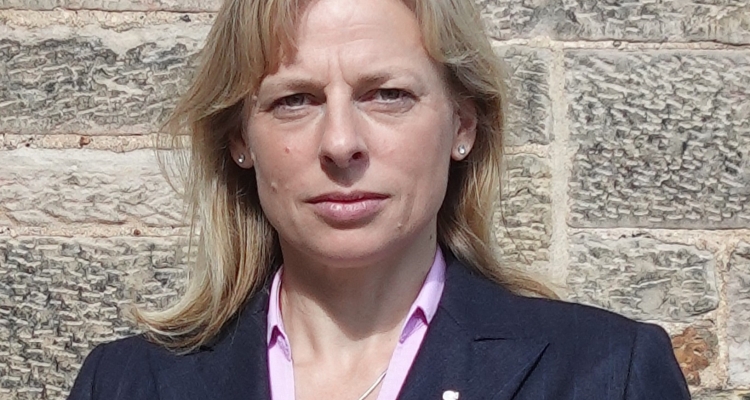
Anna Gardiner, senior policy adviser, business and property, for SLE commented: “Well-intentioned regulatory measures introduced to help tenants have backfired, particularly in rural Scotland. The data shows a reduction in available rental properties, demonstrating that these measures simply are not working.
“We warned the Scottish Government that rent caps and excessive regulation would deter investment in the rental sector and unfortunately that is exactly what has happened.
“A lack of understanding of the rural housing landscape has exacerbated the shortage of rented homes in rural areas, which has a particular impact on the future of fragile communities. Rural impact assessments are required from the outset as housing policy is being discussed and developed.”
SLE members provide around 13,000 affordable homes for rent in rural Scotland, with a large number of new developments in the pipeline, supporting rural economies and sustaining community life. Its consultation response to the Housing Scotland Bill highlighted the significant differences between the housing market in urban and rural areas, with small-scale landlords, tied housing, seasonal pressures, operational challenges, off-grid properties and increased costs in rural areas dissuading investment by property owners.
SLE is calling on the Scottish government to engage constructively with rural housing providers in order to achieve a sustainable, fair, and resilient private rented sector. Property maintenance costs are higher in rural areas than in towns and cities, and there is a scarcity of tradespeople in many areas which puts added pressure on those looking to make a rental home available.
Anna Gardiner concluded: “With even more regulation in the pipeline such as the Minimum Energy Efficiency Standards, we are at risk of driving responsible landlords out of the rental sector, exacerbating housing shortages and harming tenants. We would urge the Scottish government to conduct a rural impact assessment before introducing any future legislation and to recognise that there is a huge diversity of rental property in rural areas, which means a coordinated approach is required to achieve a fair and balanced rental sector.”