Nominee Summary
Penicuik Estate is a 3,100-hectare rural retreat in Midlothian, guided by a 50-year vision to build a regenerative business that connects people to nature, benefits the local community, protects cultural heritage, and responds to the climate and biodiversity emergency. Through careful restoration of heritage assets, sustainable land management, and community engagement, the estate aims to balance environmental, social, and economic sustainability. Recent efforts include adaptive reuse of historic buildings for hospitality, continuous cover forestry, and nature restoration projects. This submission reflects our commitment to long-term stewardship and thoughtful rural development.
Building quality
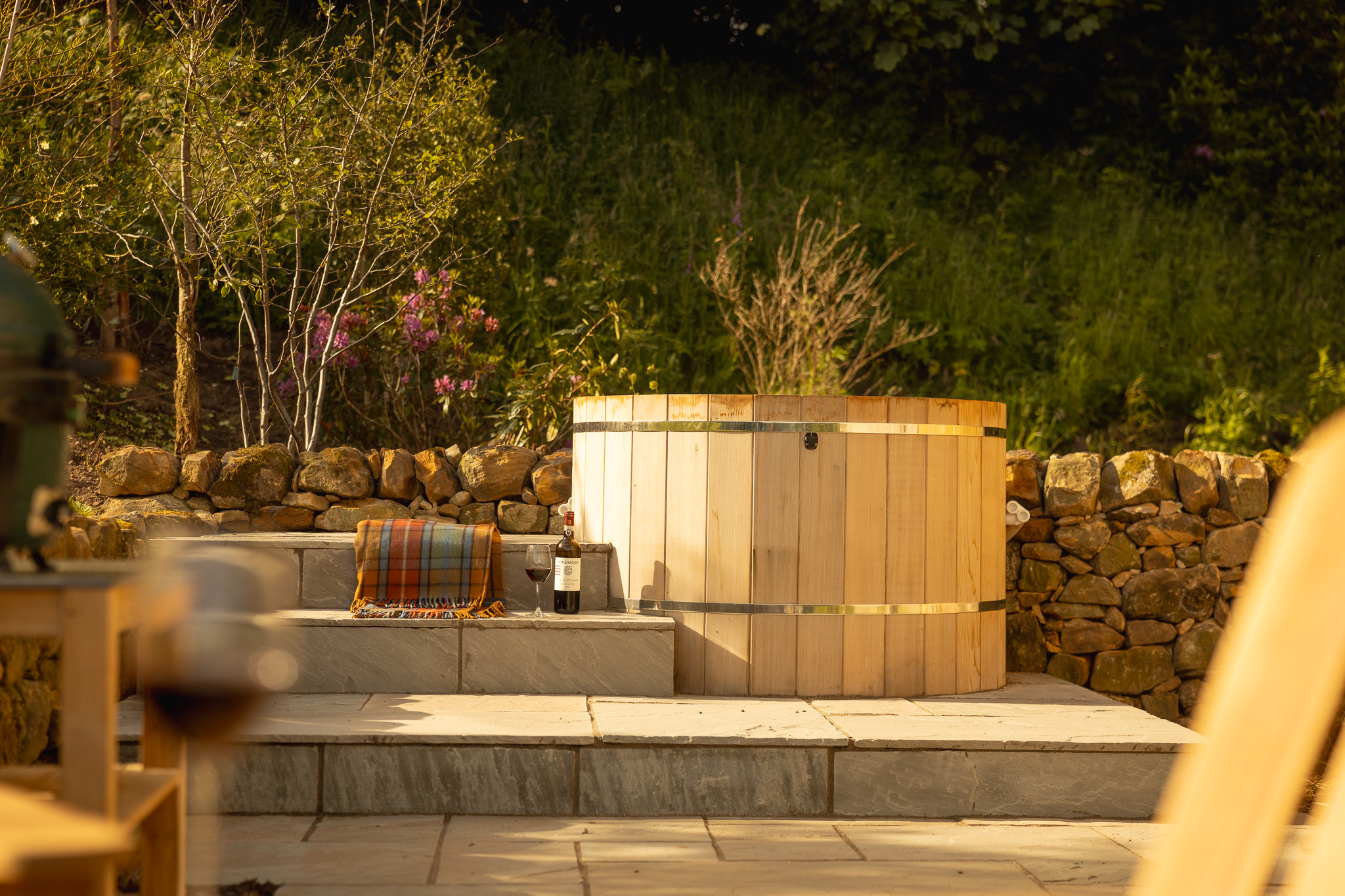
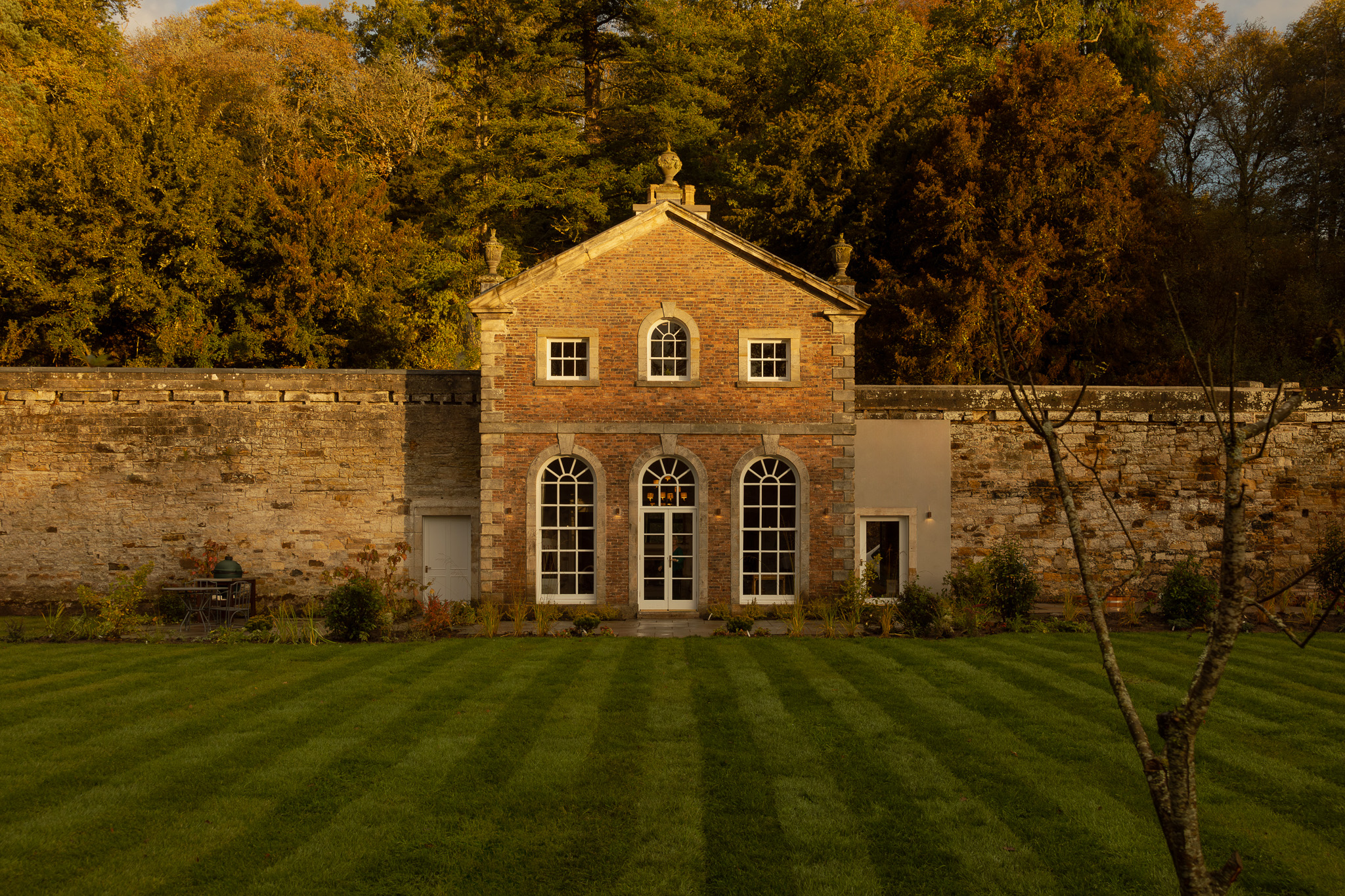
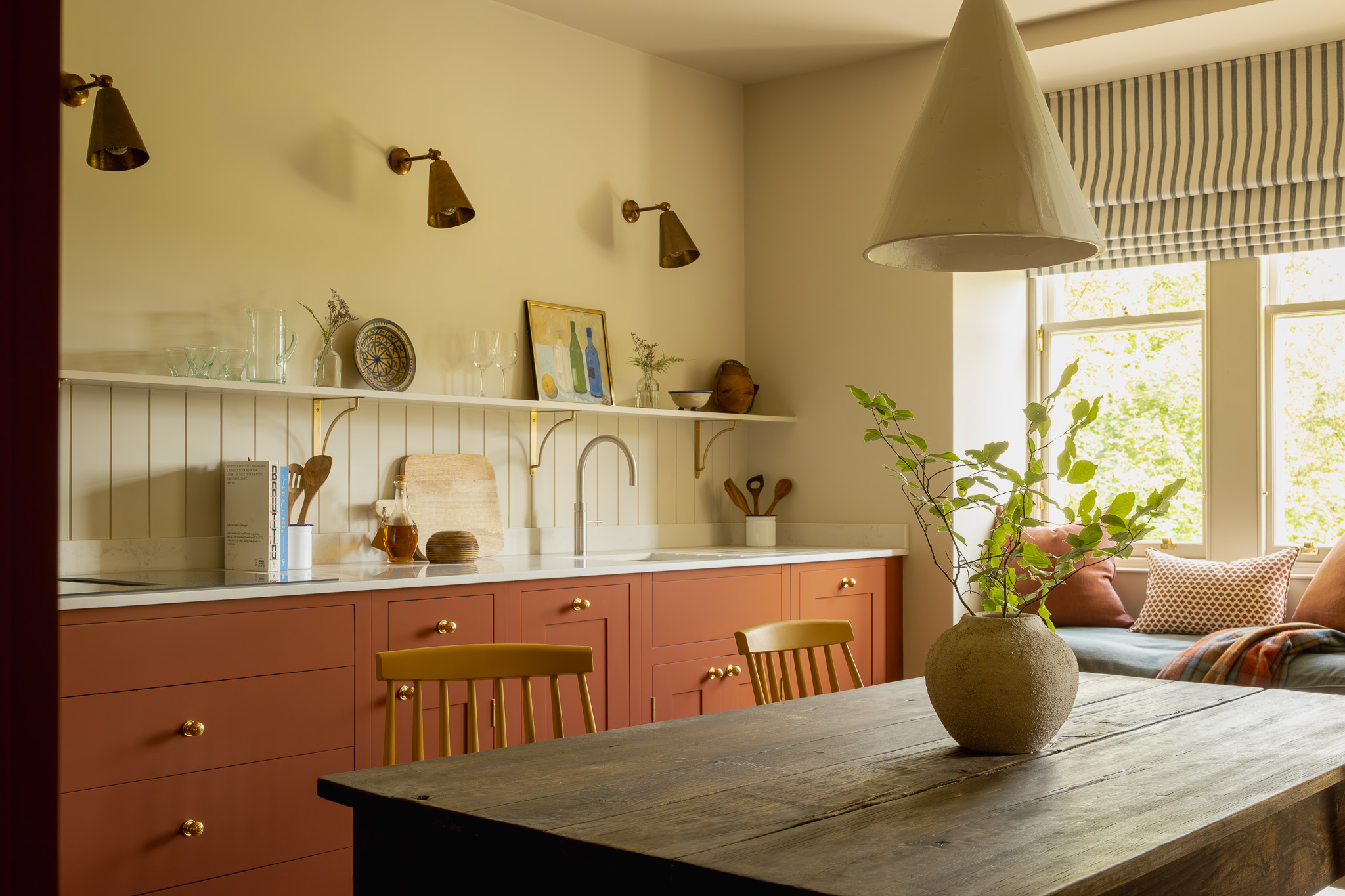
The restoration of Penicuik Estate’s self-catering cottages and houses has been carried out in line with our 50-year vision - to create regenerative rural business that supports the care of the wider estate. The aim has been to restore each property to a high standard, establishing a sustainable revenue stream that enables long-term reinvestment in landscape, heritage, and people. The cottages have been carefully converted to retain original character while offering a calm, timeless sense of comfort. Working with Edinburgh-based designers, Fantoush, the interiors take inspiration from the estate’s natural surroundings and layered history. Natural materials, heritage colours, and tactile finishes are used throughout, alongside practical features that enhance guest comfort. Each property includes an outdoor space with a hot tub, Big Green Egg BBQ, and wood burner - making the landscape part of the experience, year-round. The result is a collection of properties that are luxurious but grounded, design-led but not showy. Guest feedback has highlighted the attention to detail and sense of calm that defines each space. All properties are connected to a biomass system, reducing reliance on fossil fuels. Local trades and materials have been prioritised wherever possible to reduce impact and support the rural economy. Looking ahead, the same principles are being applied to the conversion of the 18th-century Penicuik House into a 16-bedroom exclusive-use venue, opening August 2025 - combining heritage reuse, considered design, and sustainable systems to support the wider estate.
Ethical/environmental standards
Penicuik Estate takes a long-term, place-based approach to ethical and environmental responsibility, guided by the principle of leaving the estate in a better state for future generations. This ethos is reflected in the use of local trades and craftspeople, many of whom have long-standing relationships with the estate. Building projects are conservation-led - retaining as much historic fabric as possible and repairing rather than replacing where feasible. Local stone, lime mortar, reclaimed materials, and traditional techniques have been used across all property restorations to preserve authenticity and reduce environmental impact. The estate is heated using a biomass system that supplies renewable energy to the restored properties, estate offices and Penicuik House. This, along with improved insulation and energy systems, has helped reduce fossil fuel dependence while retaining the character of older buildings. Beyond buildings, the estate’s 20-year nature restoration plan includes peatland regeneration, native woodland expansion, and habitat management, with an emphasis on increasing biodiversity and climate resilience. This work supports local ecology and enhances the wider visitor experience. Community access remains a core value. Over 20km of paths are freely accessible for walking and cycling, encouraging a deeper connection with nature and heritage. Preservation, for Penicuik Estate, is not about looking backwards - but about managing a working, lived-in estate in a way that is fair, inclusive and sustainable for the long term.
Community impact
Penicuik Estate’s property developments form part of a broader strategy to support the surrounding area - economically, socially and environmentally. The restoration of cottages and houses has created new employment opportunities through local contractors, trades, cleaners and maintenance teams. Many of these relationships are long-standing, and wherever possible, the estate works with suppliers within Midlothian or neighbouring areas. The new hospitality offer also brings visitors into the area, supporting local shops, producers and service providers. All projects have been developed with sensitivity to the estate’s landscape and public access. The design of each property prioritises quietness, privacy and minimal disruption to the experience of walkers, cyclists and others who use the 20km+ of estate paths. These routes - maintained by the estate - are widely used by the local community and remain freely accessible. By focusing on quality and authenticity, the estate aims to attract guests who are looking to engage more meaningfully with place and heritage. This, in turn, supports the estate’s ability to invest in long-term landscape restoration, biodiversity projects and heritage education. In addition, the estate’s reputation for thoughtful land and building management has helped build local pride and interest in conservation. As more of the estate is brought into active use again, the intention is not only to generate income, but to ensure that Penicuik Estate continues to serve as a place of work, learning and connection for the surrounding community.