Nominee Summary
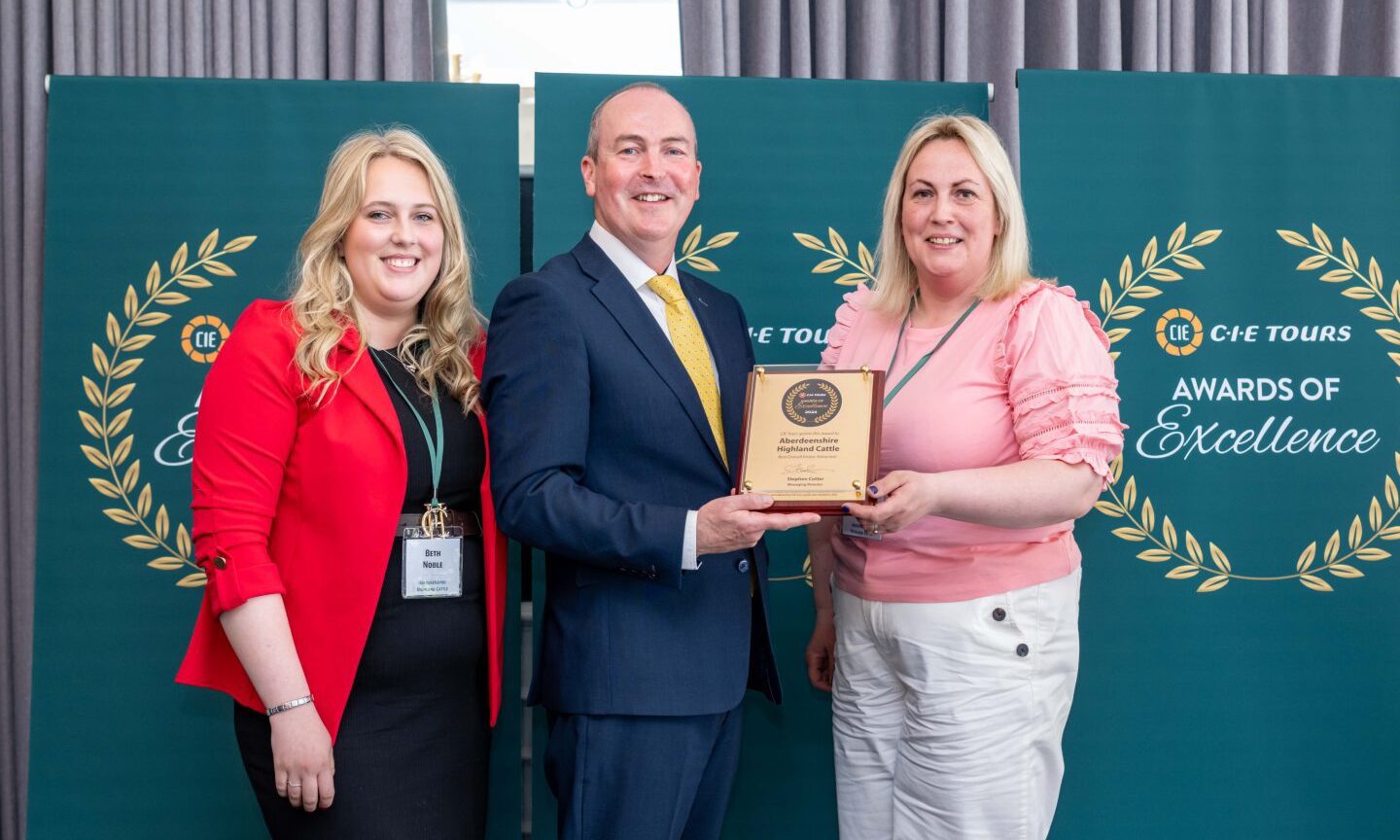
Aberdeenshire Highland Beef, founded by Grace Noble, is a family-run rural business that exemplifies innovation, resilience, and diversification. From just 20 Highland cows, Grace has built a vertically integrated enterprise producing premium beef and offering immersive farm experiences. Her direct-to-consumer model, ethical farming practices, and commitment to sustainability have helped the business thrive through economic and environmental challenges. With daughter Beth now involved, the business champions women in farming and supports the local economy through food, tourism, and education. Aberdeenshire Highland Beef is a shining example of how rural enterprise can flourish with vision, grit, and community spirit.
What makes your nominee stand out?
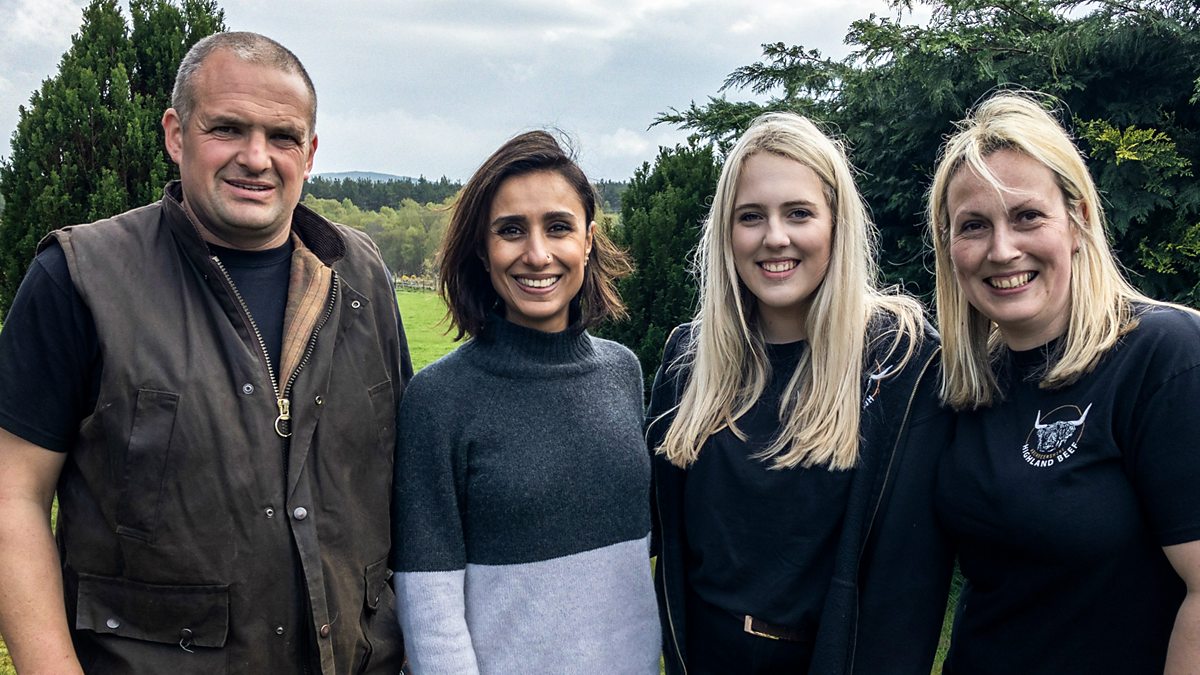
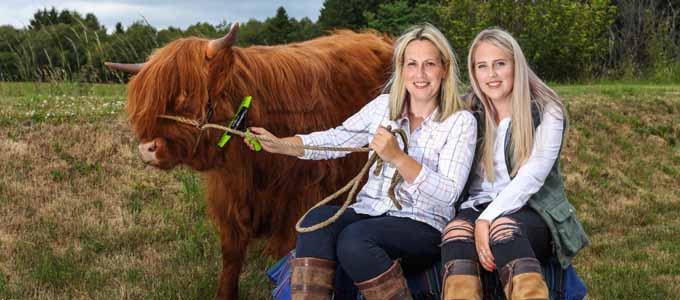
Aberdeenshire Highland Beef, founded by Grace Noble in 2017, is a family-run rural business that exemplifies resilience, innovation, and diversification. As a new entrant to agriculture, Grace established the business on tenancies at Glendye and Leys Estates, building a vertically integrated model that combines premium beef production with immersive agritourism. Her daughter Beth is now actively involved, reinforcing the business’s identity as a women-led farming enterprise. Grace’s strategic choice of Highland cattle was pivotal. Their iconic appearance and hardy nature made them ideal for both high-quality beef and tourism appeal. Starting with just 20 cows, she has grown the herd to 100, selling direct-to-consumer under the Aberdeenshire Highland Beef brand. Her tours now attract over 12,000 visitors annually, offering guests a unique experience — meeting the ‘coos,’ hearing stories of royal connections, and seeing animals featured in media, weddings, and the 2026 “We Love Kilts” calendar. Grace’s tours are popular with the public and attract farmers from around the world eager to learn from her innovative model. She offers Highland beef burger lunches as part of the experience, adding a farm-to-fork culinary element that enhances the visitor journey. Her appearance on BBC’s Countryfile provided national media exposure, and her story continues to gain traction through social media and tourism platforms, where guests frequently share glowing reviews and photos. Aberdeenshire Highland Beef is a standout example of how a rural business can thrive through diversification, authenticity, and community engagement — all while staying rooted in ethical and sustainable farming practices.
Supporting the local community
Grace Noble has built Aberdeenshire Highland Beef not only as a business but as a community hub. From the outset, she pledged to support others like herself — passionate about rural enterprise — and has delivered on that promise through mentorship, education, and collaboration. The business has created its own market for food, selling at farmers markets across Scotland and supplying restaurants directly. Supper clubs in partnership with Meldrum House Hotel have expanded the local food scene and brought new visitors to the area. Grace has also created a market for the farm itself through agritourism, offering lambing experiences, women-only shearing events, and educational tours for schools, Young Farmers, and community groups. Grace is a visible and active presence in the region — attending agricultural shows, speaking at events, and hosting FAM trips for the international travel trade. She supports new businesses through Business Gateway, VisitScotland, and VisitAberdeenshire, and has collaborated with the National Trust for Scotland and Aberdeen Harbour Board to promote the region. The business also supports local charities and community initiatives, including Children First, Cove Bay Community, and Banchory Allotments. By opening her farm to the public and engaging with diverse audiences, Grace has helped grow the local tourism market and fostered a deeper connection between people and the land.
Maintaining high ethical/environmental standards
Aberdeenshire Highland Beef is built on principles of sustainability, transparency, and animal welfare. By producing and selling locally, the business supports food security, reduces food miles, and strengthens the local economy. During the pandemic, this model proved vital — ensuring access to quality food while reinforcing the importance of local supply chains. Grace’s commitment to ethical farming is evident in her herd management: grass-fed, free-range Highland cattle raised with care and respect. Customers increasingly seek out producers who align with their values — and Grace meets that demand with traceable, high-welfare beef and open communication about her practices. The business has also contributed to carbon footprint assessments and promotes low-impact farming by avoiding long-distance distribution. Instead, beef is sold directly to customers at the farm, online, and at local markets — reinforcing the connection between producer and consumer. The farm is also enrolled in agri-environment climate schemes (AECS), which required changes in farming practices to support biodiversity and conservation. This includes managing habitats for vulnerable species such as freshwater pearl mussels, curlew, and lapwing, as well as creating new habitats like hedgerows and wader scrapes. Practices such as leaving stubble unploughed over winter help farmland birds and improve water quality. The farm lies within the River Dee diffuse pollution priority catchment, reinforcing its environmental responsibility. By integrating conservation with commerce, Aberdeenshire Highland Beef demonstrates that ethical and environmental responsibility can go hand-in-hand with rural business success.