Nominee Summary
The River Dee Trust delivers an inspiring environmental education programme, connecting thousands of young people with nature through hands-on experiences every year. By removing barriers to access and linking learning to real-world conservation, they are fostering future skills, environmental stewardship and inspiring the next generation of biologists, conservationists and countryside rangers able to look after our special wild places. Community sits at the very core of the Trust’s work; beyond the education programme, the Trust provides opportunities for individuals to explore their local area on guided River Restoration Walk and Talks and develop skills while supporting biodiversity through practical volunteering.
The preservation of skills
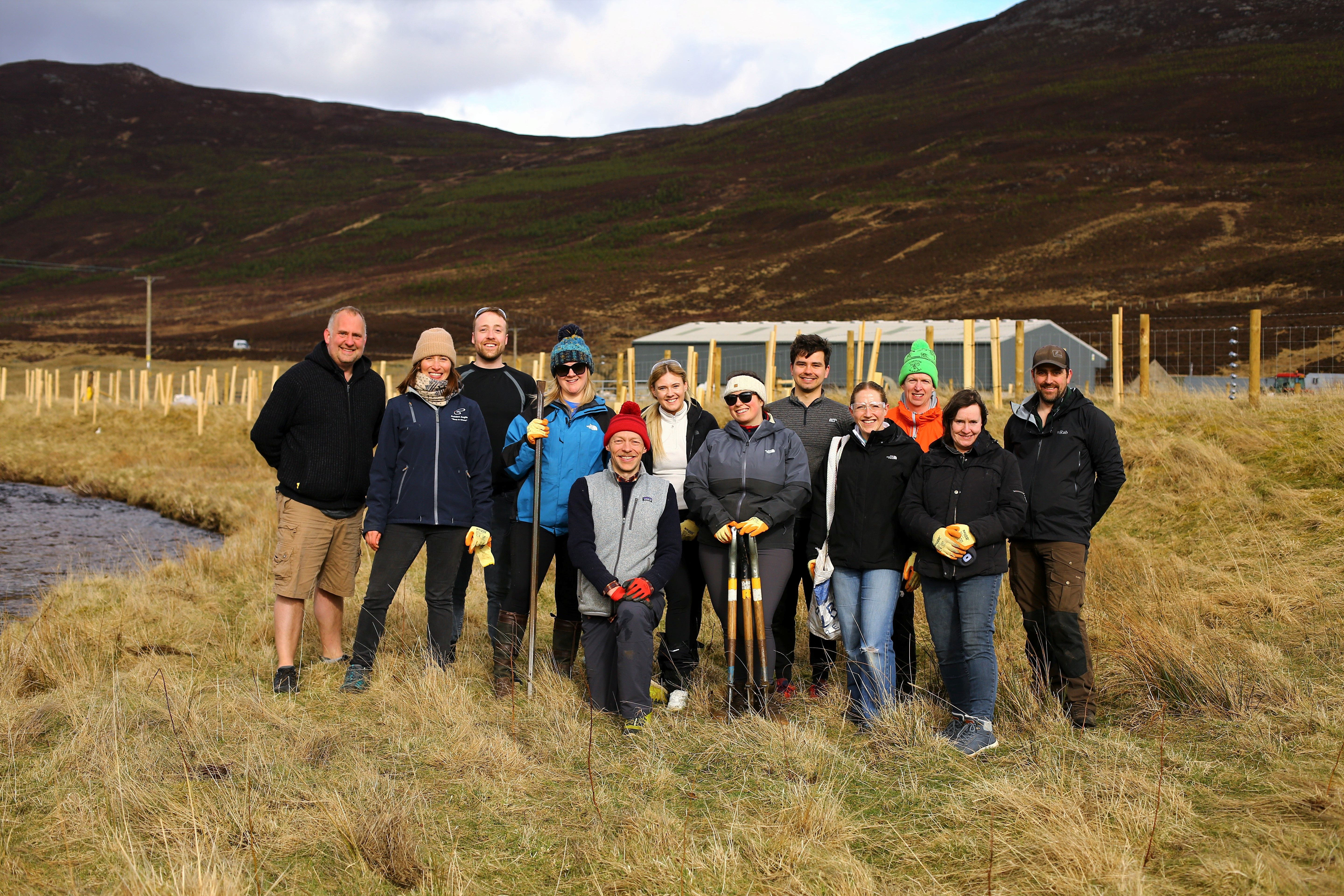
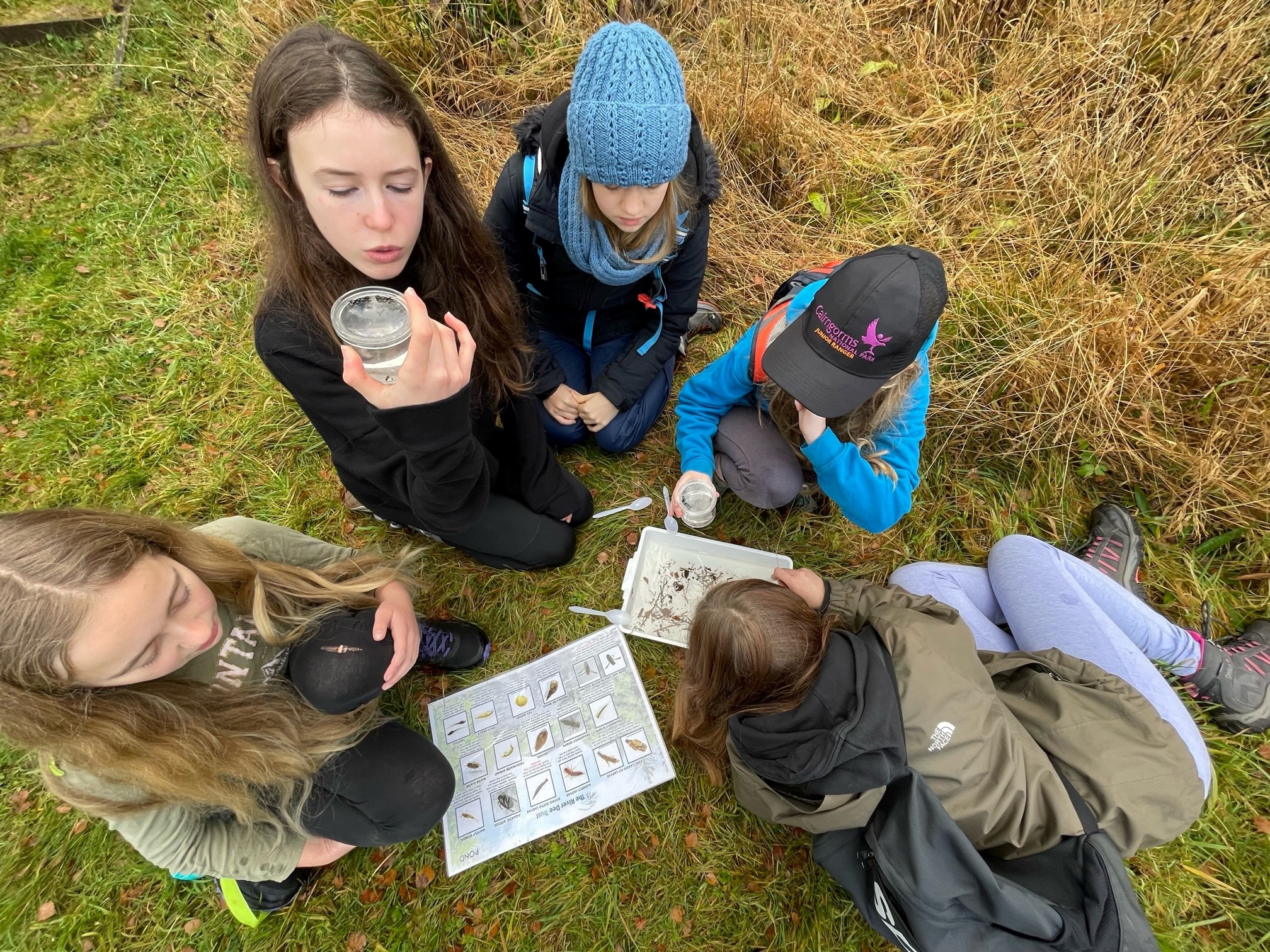
Important rural skills that will be essential in tackling Scotland’s growing biodiversity and climate crisis are promoted through both the Trust’s Education Programme and volunteering initiatives. Members of the community of all ages are welcomed behind the scenes of conservation projects with opportunities to get involved first-hand. One of the Trust’s landscape-scale conservation projects is its award winning One Million Trees Campaign, which addresses the challenge of warming water temperatures by planting riparian trees across the Dee’s most vulnerable riverbanks. In the last three years alone, the Trust has welcomed 680 volunteers to the riverbanks to take part in tree planting activities. Over half of which included young people who took part through environmental initiatives such as secondary school John Muir Awards and Duke of Edinburgh Awards, or through scouting groups working towards environmentalist badges. Further examples of volunteering days where important practical field skills are promoted include the building of debris dams (or leaky dams), tree aftercare, management and removal of invasive non-native species and the building and deployment of traditional eel ropes during migration periods. The Trust’s Education Programme provides further training on species identification and their role within the river ecosystem during school and youth group field trips. Young people are encouraged during these trips to explore, identify and interpret their findings; from invertebrates and what they can tell us about water quality, to the different life stages of some of our most endangered freshwater species.
Increasing awareness
In just one year, the Trust’s Education and Outreach Officer engages over 2,000 young people, many of whom are unfamiliar with their local rivers or have never visited one. The programme offers rare, hands-on experiences with river wildlife, including electrofishing demonstrations that bring species from beneath the water to the riverbank. This allows pupils to explore aquatic life first-hand and see endangered species such as the Atlantic salmon—an opportunity few would otherwise experience. Since the Education Programme’s inception in 2020, the Trust has now visited over 12,000 school-aged children across Aberdeen City and Shire. As the programme has developed, its long-term impact is evident. Former participants have progressed into further education, with some returning as volunteers after forming strong connections with the river, while others have gone on to study Wildlife and Conservation Management. In an average year, the Trust engages around 500 individuals across its River Restoration Walk and Talk events, community and corporate group presentations and themed talks – at which both the social and natural history of the River Dee is shared, including the challenges that key species are facing and the important conservation efforts being undertaken to protect them in a bid to raise awareness within the Deeside community.
Ethical/environmental standards
Maintaining the highest environmental standards across all river restoration activities is one of the Trust’s main priorities, for which the River Dee Catchment has recently been awarded Exemplar status by Scotland’s nature agency, NatureScot. Exemplar projects, including the Dee catchment, are designed to showcase innovative approaches that accelerate and expand nature restoration on the ground, building on the success of previous initiatives and the strong work already underway. Key priorities for the exemplar projects include working with land managers to support effective habitat restoration, improving access to nature-funding investors, tackling invasive non‑native species, and developing nature‑based skills initiatives to create local jobs. Through ongoing delivery of guided tours with partnership organisations, conservation professionals and universities, the Trust aims to share and promote best practice in supporting Scotland’s freshwater environments.
Noteworthy improvements
Thanks to this engagement with the Trust’s practical conservation activities through the likes of volunteering, school and youth initiatives, the Trust can deliver projects at a wider scale. For example, the Trust works alongside two full time members of Dee District Salmon Fishery Board staff during the tree planting season each year to establish thousands of young saplings on the banks of the Dee and its tributaries. By welcoming volunteers to take part in activities such as this, which can accommodate a work party of up to 25 individuals on any one day, the productivity of conservation effort is increased tenfold. This not only creates meaningful experiences for those individuals engaged in the activity but increases output and thus provides greater environmental benefit overall. The more that people appreciate and understand our freshwater ecosystems, the more willing they will be to protect them. Therefore, the improvements gained through the wider awareness raising efforts stated above ultimately result in an engaged, educated and empowered community. The Trust’s drive for empowering young people in particular through its dedicated Education Programme was recently recognised at the inaugural Developing the Young Workforce Northeast Awards, as a finalist in the Excellence in Education category in June of 2026.
Overcoming Challenges
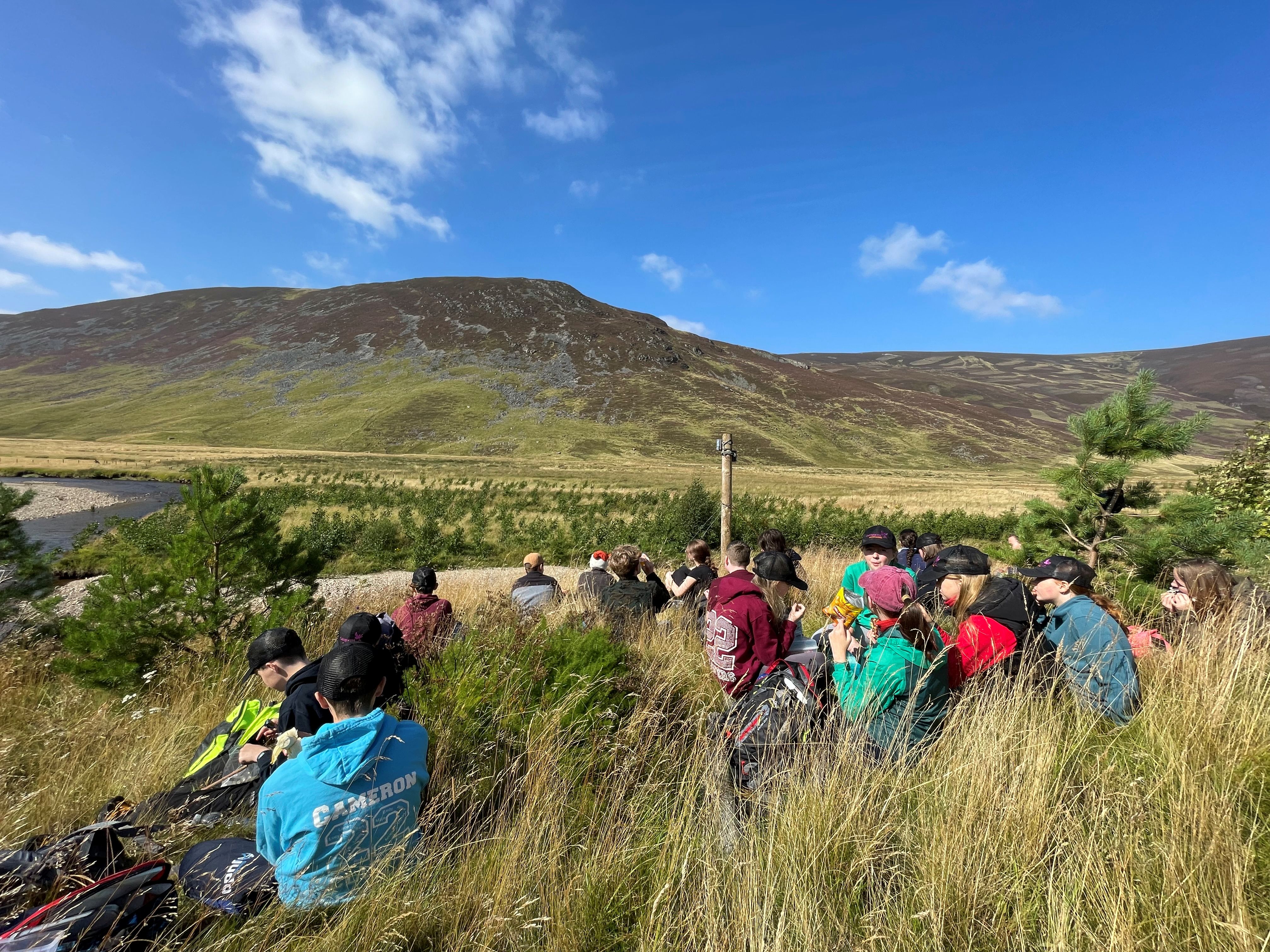
The River Dee Trust’s Education Programme is made possible thanks to the support of various local businesses and corporate sponsors. Educational sessions originally came at no cost to the visiting group, apart from that of bus transport to and from the riverbank, of which 50% of costs could be reimbursed through the programme. In recent years the rising cost of fuel and maintenance meant that, even with this support available, field trips became an expense beyond many schools. The schools most impacted were those within Aberdeen City, where the Trust saw a decrease in engagement, with cost frequently being cited as a core factor. In 2025, the Trust secured transformative social investment to help tackle this issue, opening up opportunities and experiences to young people in Aberdeen City through a dedicated Transport and Lunch Fund. This Fund has enabled the Trust to continue delivering educational sessions free of charge, while now covering the full cost of transport to and from the riverbank for young people based within Aberdeen City. Healthy packed lunches are also provided through the Fund for all attendees to enjoy during their visits, to make riverbank experiences as inclusive as possible. Thanks to this social investment, rural riverside opportunities are now within reach for school-aged children within Aberdeen City, including those from some of the City’s most deprived areas.