

SLE welcomes heating oil support extension and calls for investment in warmer rural homes
Press ReleaseScottish Land & Estates has welcomed the extension of emergency heating oil support, while calling for long-term investment in rural homes to tackle the underlying causes of fuel poverty.
The rural business organisation said the Scottish Government’s announcement would provide important help this winter - but lasting progress depended on making rural homes more affordable to heat.
The Scottish Emergency Heating Oil Scheme has been extended beyond its initial six-month period, allowing eligible households using heating oil or liquefied petroleum gas (LPG) to seek support over the winter and beyond. The Scottish Government states that more than 6,700 payments have been made since its launch on April 1.
Anna Gardiner, Senior Policy Adviser (Business & Property) at Scottish Land & Estates, said: “The extension of this scheme is welcome and will provide important support to vulnerable households this winter. We also welcome the Scottish Government’s recognition that improving energy efficiency and exploring appropriate clean heating options can help households lower their bills over the longer term.
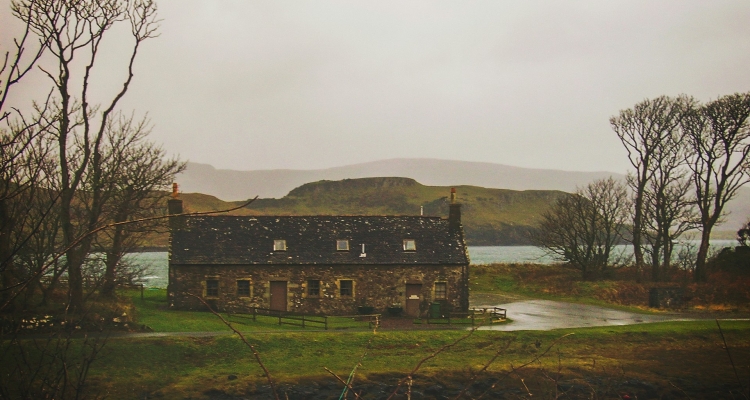
“Many rural homes are older, traditional and detached properties which are inherently more expensive to heat and harder and costlier to improve. Lower average incomes, higher living costs and an ageing population in many rural communities can compound that vulnerability.
“The fundamental challenge is the quality of our homes and the energy they need to stay warm. Emergency support helps households cope with rising fuel prices, but it cannot resolve the poor energy performance that leaves them exposed to each new price shock.
“The lasting solution must be to reduce the energy required to keep homes comfortably warm through appropriate efficiency improvements that also support cost-effective clean heating. Asking people to use less heating or live in colder homes is no answer to fuel poverty.”
SLE highlighted the Scottish Government’s existing recognition of higher rural improvement costs through the rural uplift available to eligible owner-occupiers under the Home Energy Scotland Grant and Loan scheme. It said support needed to enable investment across the rural housing stock, including privately rented homes.
Anna added: “An older rural home does not become easier or cheaper to upgrade simply because it is occupied by tenants rather than owners. Support should enable improvements wherever significant barriers exist, with the focus firmly on delivering warmer homes for the people who live in them.
“Funding should also reflect the economics of rural rented housing. Higher upgrade costs, combined with typically lower rental incomes, can make investment much harder to deliver. Unless support recognises that reality, improvements will happen more slowly and tenants will remain exposed to higher energy demand for longer.
“There is no one-size-fits-all solution. Rural homes vary enormously in age, construction and location, so investment must support measures suited to each property and its occupants. Poorly targeted interventions risk adding costs without delivering meaningful reductions in energy demand or household bills.
“The Scottish Government needs to take a longer-term, preventative approach. Improving older rural homes can require significant upfront investment, but the cost of failing to act is likely to be greater: continued fuel poverty, repeated emergency support and ongoing exposure to volatile energy markets.
“Leaving homes prohibitively expensive to improve risks locking in those problems for years to come. We want to work with government on practical support that helps rural housing providers deliver the investment needed.
“Ultimately, success should mean fewer households needing emergency help. Investing in warmer, more energy-efficient rural homes offers the best route to lower bills and lasting resilience for rural communities.”