
Remove barriers to help boost rural economy, Scottish Government urged
Press ReleaseScottish Land & Estates (SLE), the rural business organisation, is calling on the Scottish Government to cut complexity and streamline service delivery to help boost the rural economy.
In its responses to the Scottish Government’s consultations on public service reform and future tax and spending plans, SLE recommends a series of measures to help reduce the complexity of doing business and ensure cost savings for Scotland as a whole do not result in a negative impact for remote or rural communities.
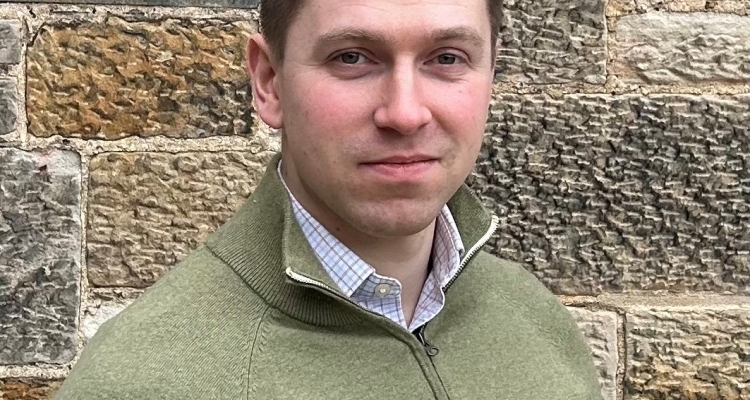
Cameron Gillies, head of external affairs for Scottish Land & Estates, said: “We welcome the opportunity to comment on the Scottish Government’s proposals for public service reform and the pre-budget evaluation of tax and spending plans.
“We support the general principle of public service reform but ask that all changes to service delivery are properly rural proofed to ensure that their impact is properly understood . Rural businesses rely on a positive framework in order to invest, employ more people, increase productivity and generate sustainable economic growth. There are opportunities to reduce duplication of effort and streamline interactions between businesses and government agencies.”
Among the recommendations put forward by SLE is that there should be a mapping of the information routinely requested from businesses by different public sector agencies and programmes, to identify opportunities for re-use of information and to adopt the same definitions and data formats.
By focusing on common interactions, for example securing consent for a development or applying for a rural support scheme, it should be possible to remove unnecessary stages, repeated information and avoidable delays.
For significant processes, the Scottish Government should estimate the number of hours a typical individual would spend complying with the process. A target could then be established to reduce that burden over time.
SLE also recommends that a lighter touch approach to regulation should be taken where evidence exists of over-regulation or duplication. This could include an expansion of ‘trusted operator’ status for businesses such as those proposed relating to the Wildlife Estates Scotland accreditation scheme.
Mr Gillies continued: “SLE continues to work closely with the Scottish Government to build on the existing positive partnership between the public and private sector and to ensure policies are considered in light of their impact on rural communities.
“Depopulation, housing shortages, infrastructure limitations, rising business costs and an unpredictable tax and regulatory environment can all reduce business investment and weaken the tax base. Conversely, well-targeted investment in housing, transport, energy, digital and water infrastructure can unlock considerable private-sector activity and support thriving communities. Rural businesses are a significant driver of economic growth. Reducing the time spent by a small business owner filling in forms allows them to instead spend time developing their business, boosting the economy and creating job opportunities.
“Successful rural businesses ultimately sustain the viability of their rural community, thereby avoiding future costs to several public services. Taking a whole system approach is a win-win outcome for rural businesses and the public sector.”