

Rural Crime Action Week highlights human and financial toll
Press ReleaseRural crime continues to impose significant financial and emotional pressures on Scotland’s farmers and land managers, Scottish Land & Estates (SLE) has warned.
Ahead of National Rural Crime Action Week, which runs from 6 to 11 September, the rural business organisation said crimes including machinery and fuel theft, fly-tipping and livestock worrying continue to have consequences far beyond the immediate incident.
As well as the cost of replacing stolen equipment or repairing damage, businesses can face lost working time, higher security and insurance costs, veterinary bills and the expense of clearing illegally dumped waste.
SLE also highlighted the wider environmental damage caused by irresponsible and criminal behaviour in the countryside. Dogs running out of control can attack or distress livestock and disturb vulnerable ground-nesting birds, while carelessly discarded cigarettes, disposable barbecues and campfires can significantly increase the risk of wildfire.
Nic MacLeod, Policy & Public Affairs Adviser at Scottish Land & Estates, said: “Rural crime is sometimes wrongly viewed as being less serious than offences committed in towns and cities, but its impact can be devastating.
“The theft of a vehicle, piece of machinery or fuel is not simply an inconvenience. That equipment may be essential to caring for livestock, harvesting crops or managing land safely. Its loss can bring work to a halt and leave a business facing replacement costs, repairs, increased insurance premiums and further investment in security.
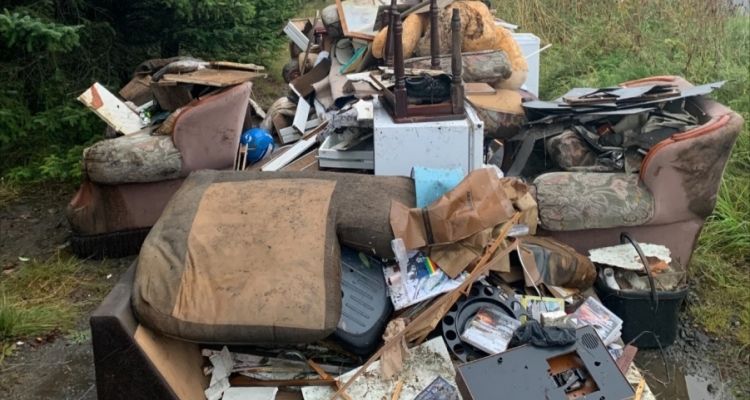
“Fly-tipping places another unfair burden on farmers and land managers, who are often left to arrange and pay for the removal of waste dumped on their land. It can also pose a risk to livestock, wildlife, watercourses and the wider environment.
“Livestock worrying can result in animals being seriously injured or killed, as well as miscarriages and lasting distress within a flock or herd. Dogs running out of control can also disturb ground-nesting birds and cause adults to abandon their nests, leaving eggs and chicks vulnerable.
“We must also recognise the wildfire danger created by reckless behaviour. A discarded cigarette, poorly managed campfire or disposable barbecue can ignite dry vegetation, placing lives, homes, businesses, livestock and internationally important habitats at risk.”
SLE is a member of the Scottish Partnership Against Rural Crime (SPARC), the multi-agency partnership chaired by Police Scotland. Its 2025–2028 strategy prioritises rural machinery, tool, fuel and metal thefts; livestock crime; equine incidents; fly-tipping and heritage crime.
Nic added: “Behind every incident is a person, family or rural business dealing with the consequences. The sense of isolation and vulnerability following a crime can be profound, particularly when someone’s home and workplace are in the same location. Repeated incidents, or the fear of being targeted again, can have a serious effect on mental health and wellbeing.
“Prevention, reporting and partnership working are all essential. Scottish Land & Estates remains fully committed to its work through the Scottish Partnership Against Rural Crime, helping to share information, raise awareness and develop practical measures that protect rural businesses and communities.
“We encourage everyone visiting or living in the countryside to act responsibly and report suspicious activity. Rural crime should never be dismissed as an unavoidable cost of country life.”
Rural crime should be reported to Police Scotland by calling 101, or 999 when a crime is in progress or there is an immediate risk to life. Information can also be provided anonymously to Crimestoppers on 0800 555 111.