

Douglas and Lorna Greenshields from South Mains Farm in Dumfries and Galloway have transformed their farming techniques to keep up with rising feed and fertiliser prices. By adopting a paddock grazing system, they have been able to manage costs and increase the quality and profitability of their sheep and beef cattle business.
Popular in New Zealand and Ireland, paddock grazing is a form of rotational grazing which involves creating temporary paddocks within a field using electrical fences to provide livestock with grazing over a limited number of days before moving them to another part of the field, thus allowing the grass to recover.
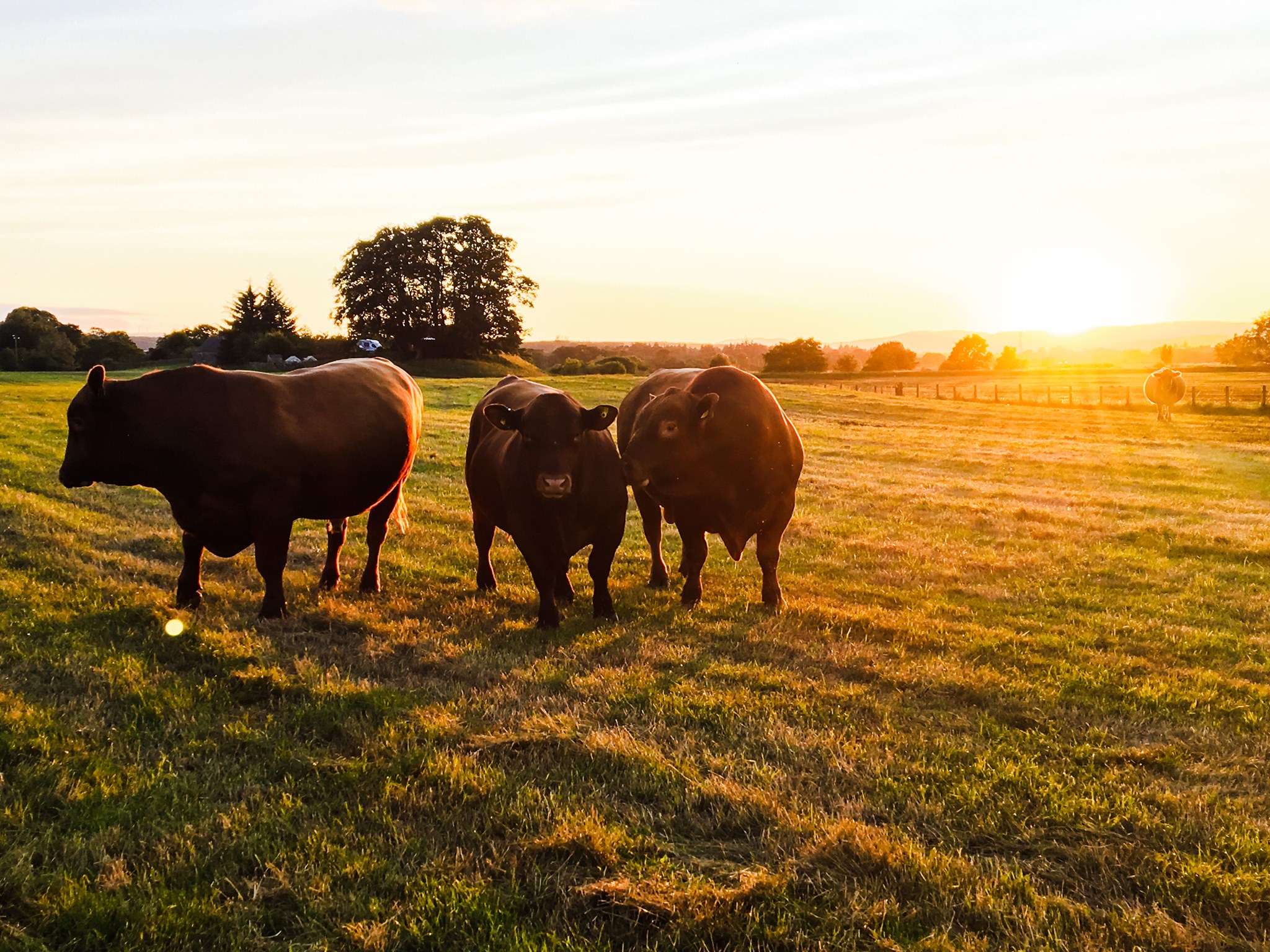
To implement this system, Douglas reduced some of his stock of Blackie and cross ewes but kept his heard of stabiliser cattle and, instead of selling in March/April, he let them graze on the summer grass until going to market in September. This strategy paid off as by slowly reducing the amount of feed for the store cattle, their metabolism adjusted for when they go out on the grass after April/May. The system sees the cattle grow in frame but on a cheaper system while also reducing costs on feed and fertiliser.
Douglas takes a scientific approach to his farming specifically with his ethos of: “if you can’t measure it you can’t improve on it”. He focuses on three elements for the profitable success on his farm: the health of the soil to produce grass efficiently; utilising the grass efficiently; and the quality of the livestock.
The first most important element is ensuring you are getting the best out of the soil through good drainage, minimal soil compaction and rich organic content. Second is to utilise the grass more efficiently. This is done through the 21-day paddock grazing regime which allows the livestock three days on each of the seven paddocks. This gives each area 18 days to recover before its grazed again, although much of this is dependent on weather and temperature, growth rates tend to average out over the three weeks. The third aspect of the quality of livestock, which is why he decided to rear stabiliser cattle as they are self-reliant and do well on foraging with minimal downsides.
Douglas keeps on top of the soil fertility by taking soil samples every four to five years to analyse and correct PH, P and K levels which, in turn, provides better nitrogen absorption from the annual application of fertiliser he puts on 800 acres of pasture. This is a huge challenge for the 1,700 acres under management at South Mains farm.
The innovation at South Mains has shown to be a successful system but one that requires the right individuals implementing it, which Douglas has proven with his thorough analysis and attentiveness, and one that has paid off. The paddock grazing system results in increases to grass yields, reduced need for fertiliser and less need to reseed pastures as well as a cheaper way to raise livestock. The benefits of this system impact all areas of the farm’s production as saved costs from feed and fertiliser allow spending to go elsewhere.