

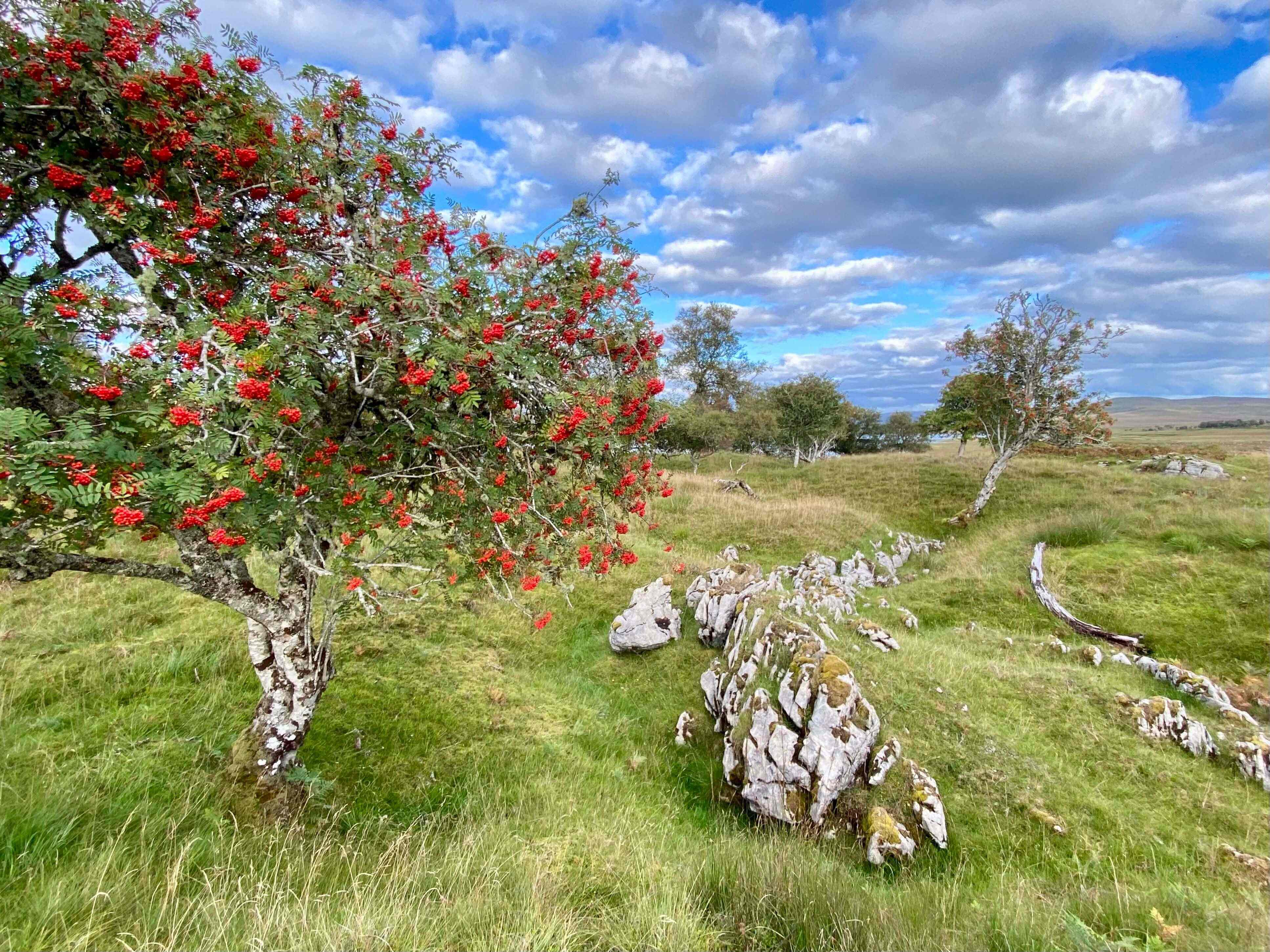
Situated amidst the breathtaking landscapes of Scotland, Zulu Lost Woods stands as a testament to the transformative power of sustainable land management practices. This innovative initiative showcases the harmonious coexistence of thriving ecosystems and responsible human interventions, ultimately enriching the natural environment for generations to come. Zulu Lost Woods is an expansive woodland area nestled within the Scottish countryside. Spanning over 1,500 hectares, this pristine ecosystem is home to an abundant variety of native flora and fauna. The project's primary objective was to enhance and restore the woodlands, ensuring their ecological health while simultaneously providing a sustainable resource for the local community and beyond.
The project recognized the importance of preserving and restoring Scotland's woodlands, which have faced significant challenges over the years due to deforestation and habitat fragmentation. Zulu Lost Woods aimed to reverse these trends by actively restoring the woodland ecosystem, promoting biodiversity, and protecting endangered species. Zulu Lost Woods sought to demonstrate that sustainable land management practices could coexist with economic activities. By implementing responsible forestry techniques, the project aimed to generate economic benefits through the sale of timber while ensuring the long-term health and resilience of the woodlands. The project understood the significant role that woodlands play in supporting the well-being of local communities. Zulu Lost Woods aimed to create a space where people could connect with nature, engage in outdoor activities, and benefit from the numerous social and recreational opportunities provided by a healthy woodland environment. Zulu Lost Woods recognized the importance of raising awareness about the value of woodlands and the need for their protection. The project aimed to educate the local community, schools, and visitors about the ecological significance of the area, promoting a sense of environmental stewardship and inspiring others to take action.
When the project began, the woodland area was facing degradation due to historical deforestation practices and the encroachment of invasive species. Restoring the ecosystem required significant efforts to address soil erosion, loss of native plant species, and the decline of wildlife populations. One of the primary challenges was finding a balance between commercial forestry activities and conservation goals. Zulu Lost Woods had to carefully plan and implement sustainable logging practices that minimized the impact on the ecosystem while still generating economic benefits. Invasive plant species, such as rhododendrons and non-native conifers, posed a threat to the native biodiversity of the woodland. Controlling and managing these invasive species required ongoing efforts, including targeted removal and regular monitoring to prevent their reestablishment.
Engaging and involving various stakeholders, including local communities, government bodies, and conservation organizations, was crucial for the success of Zulu Lost Woods. Overcoming differing perspectives, building consensus, and fostering collaboration required effective communication, trust-building, and the establishment of shared goals. Ensuring the long-term financial sustainability of the project was a significant challenge. Zulu Lost Woods had to secure funding from various sources, including grants, partnerships, and commercial activities, to support ongoing land management efforts, conservation projects, and community engagement initiatives. The impacts of climate change, such as extreme weather events and changing precipitation patterns, posed challenges to the resilience of the woodland ecosystem. Zulu Lost Woods had to adapt its land management strategies to enhance the resilience of the woodlands, ensuring their ability to withstand and recover from climate-related disturbances.
Zulu Lost Woods is a haven for biodiversity. By creating designated conservation areas, the project protects endangered species, rare plants, and sensitive habitats. The team actively collaborates with local ecological experts, employing scientific research and monitoring to inform their land management decisions. Efforts are made to restore natural habitats, promote the growth of indigenous species, and reduce the impact of invasive plants and animals. By fostering biodiversity, Zulu Lost Woods contributes to the overall health of the ecosystem, benefiting both wildlife and the local community.
Zulu Lost Woods recognizes the importance of engaging and involving the local community in the conservation process. Regular public outreach programs, educational initiatives, and guided tours are organized to foster a deep appreciation for the natural heritage of the area. By actively involving local schools, residents, and organizations, the project aims to inspire the next generation of environmental stewards. The success of Zulu Lost Woods is built upon strong collaborations and partnerships. Working closely with governmental bodies, environmental organizations, and research institutions, the project leverages the expertise and resources of these entities to implement best practices in land management. This collaborative approach ensures that Zulu Lost Woods remains at the forefront of sustainable land management initiatives, serving as a model for other projects across Scotland.