

Guest blog from Reheat: The RHI is dead. Long live the RHI!
The Renewable Heat Incentive (RHI) was the most generous subsidy for renewable heating anywhere in the world. Since closing to new applicants in 2021, it has left an important legacy in the renewable heating sector and continues to reign in the ‘post closure’ era as the most widely available funding for renewable heating installations above the domestic level.
Here, I detail some of the key benefits the RHI still brings to the Scottish market today, and why it could be a good route to achieving low carbon heat.
Data collection
Highly efficient heating systems reduce carbon emissions and cost of operations. If the RHI’s main focus was on the low carbon heat generation of the Net Zero three-legged stool, then a secondary impact was improved understanding of how systems were performing.
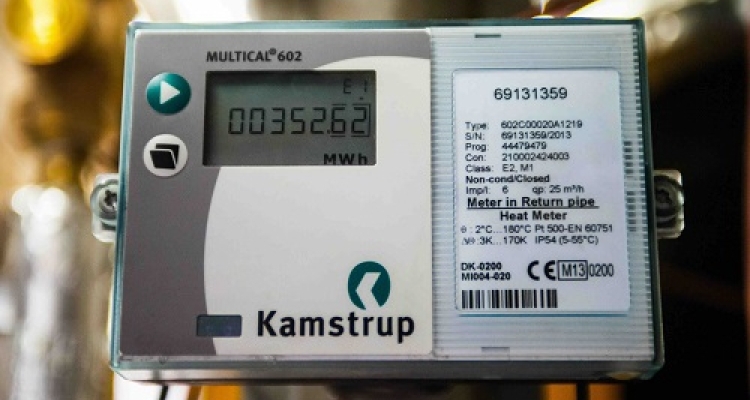
The requirements around calculating the heat output eligible for subsidies centered on metered heat use which has led to a huge increase in data collection and availability on heating systems.
Savvy operators can monitor and manage the health of their heating systems, improving efficiency to save costs, energy, and carbon.
Regulation of heat
Heat is becoming a regulated utility which will put additional requirements on heat network owners and operators. The RHI saw a large increase in the number of heat networks (where heat is generated at a central location and then distributed to two or more properties) in Scotland.
The Heat Network Metering and Billing Regulations (2014), The Heat Networks (Scotland) Act 2021, Energy Act 2023 and incoming secondary legislation will place reporting and compliance demands on network owners and operators whilst also improving technical standards, customer protections and energy efficiency across the industry.
Ofgem will be the regulator overseeing heat networks in Scotland. Those with RHI accreditations already have experience of reporting to and complying with the regulator which will stand them in good stead as heat becomes a regulated utility.
Second hand RHI tariffs
There is a fairly buoyant secondary market available to those looking to sell or purchase an accredited plant and its associated tariff. The RHI application can be amended, and the boiler and its accreditation relocated upon sale.
Depending on the condition of the equipment and the requirements of your site, the plant could be replaced with new to ensure that you have a reliable and efficient heating system. Accreditations will generally have between 8 and 16 years left of subsidy remaining. This can help to build the business case for those looking to invest in clean heating technology in a landscape with little other financial support currently available.
Despite the closure of the RHI to new applicants, its legacy on data collection and reporting has increased the sector’s knowledge and experience that will be vital as heat becomes a regulated utility.
Although not widely advertised, the post-closure RHI remains the largest available source of funding for renewable heating systems and could be a great option to decarbonise your business.
You can access Reheat’s guide to the Renewable Heat Incentive here:
https://www.reheat.uk.com/insights/non-domestic-renewable-heat-incentive-guide-2024

The views expressed in this blog are those of Reheat and do not necessarily reflect the views of Scottish Land & Estates. No liability can be accepted by Scottish Land & Estates or any of its staff for any misstatement in it or omission from it.
Comments