Nominee Summary
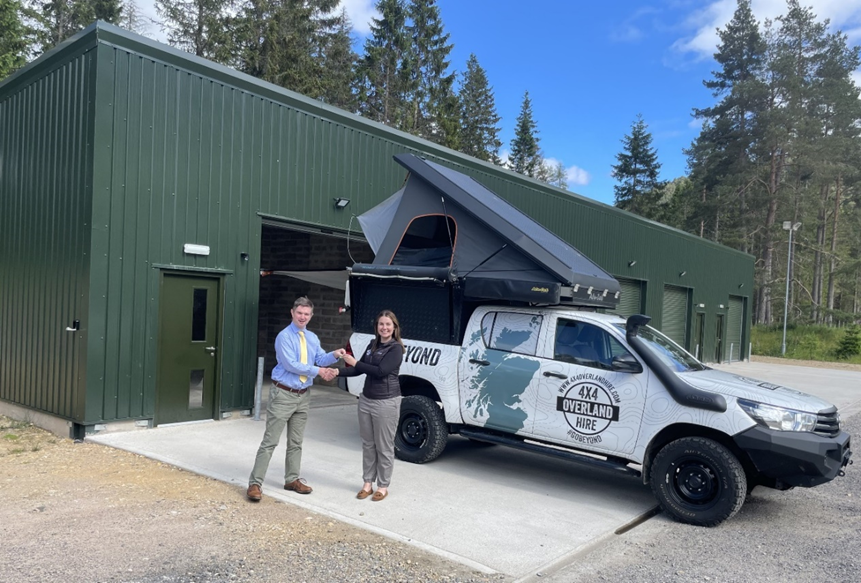
Invercauld Estate is located in Aberdeenshire and Perthshire, entirely within the Cairngorms National Park. The management of Invercauld Estate is based upon on the delivery of sustainability in three areas - the local economy, the environment and the community- which are highly integrated. Over 70 people are employed on or by the Estate, the vast majority on the ground looking after the land and its people. The Estate last year completed and opened a brand new suite of five business units near Braemar to serve the local business community in an area where such facilities had been scarce.
Building quality
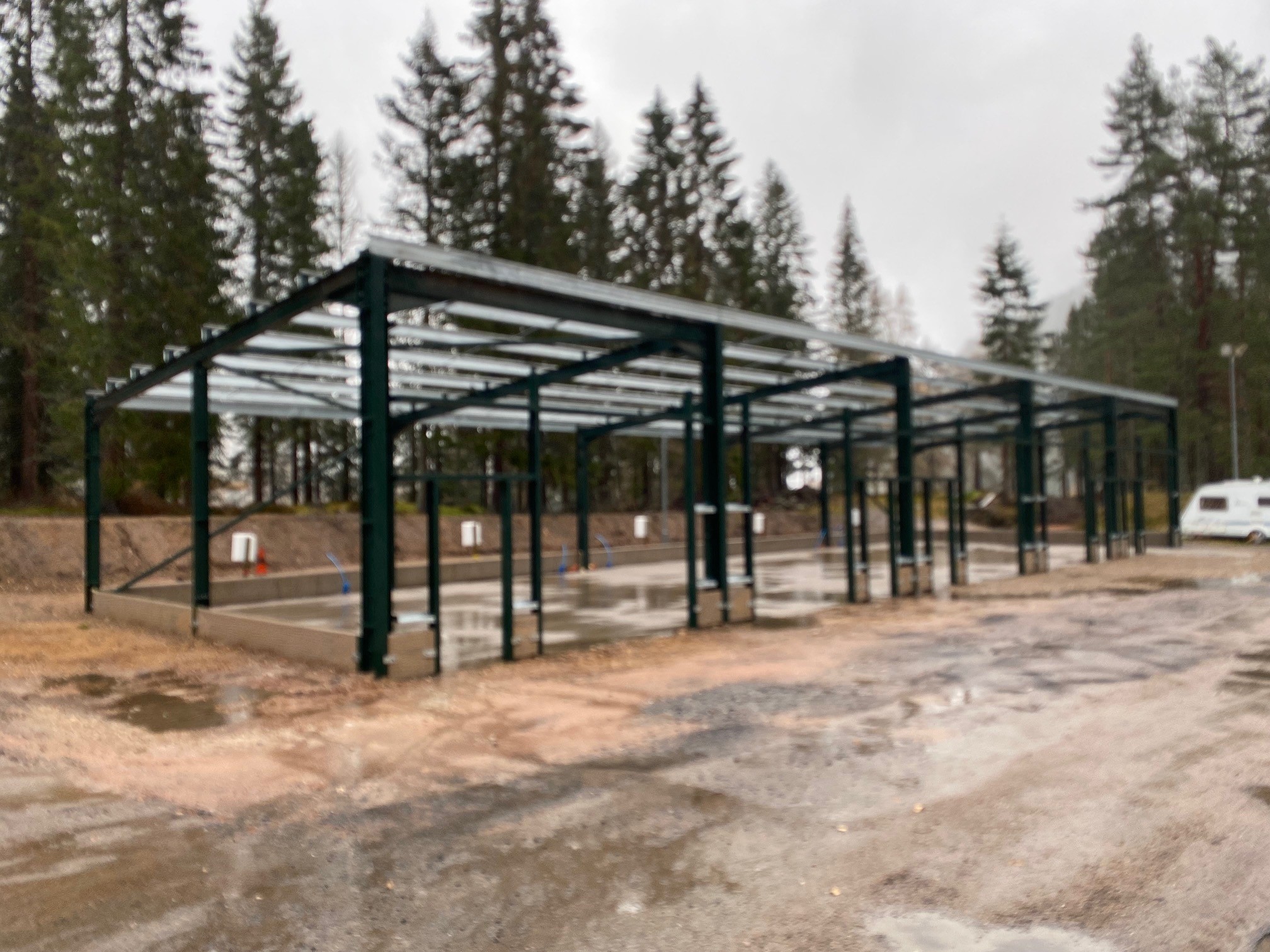
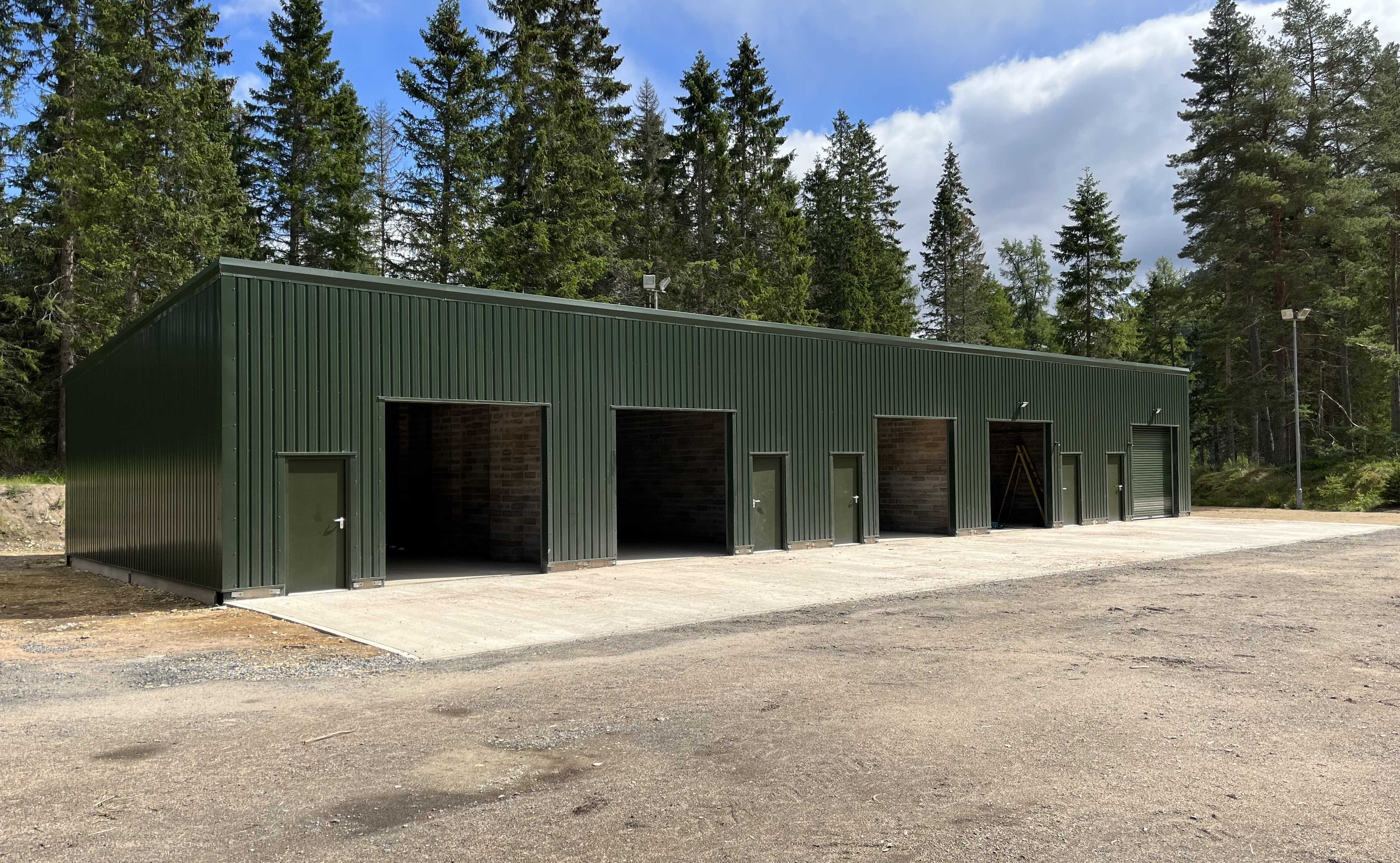
The five business units, in a single building, were built to a bespoke architect's design to ensure the design suited the location of a National Park and National Scenic Area. They were built from scratch and to a full commercial specification from day one to ensure the highest commercial standard of construction. Each unit is individually fire proofed from the one adjacent and benefits from a bespoke private water supply and drainage and electric roller doors offering a high degree of security and longevity. The site chosen was brownfield and numerous studies were undertaken to ensure the design impacted as little as possible on the surrounding natural environment. The design is based on a steel frame and the corrugated profile cladding was specified in dark green to blend as far as possible into the backdrop of a Scots pine woodland. The roof profile was kept low so as to further blend the building into the landscape with a belt of trees between the public road and the building also extended with broadleaf planting.
Ethical/environmental standards
Prior to any design work being undertaken, research was undertaken with the local community, particularly using social media, to ascertain the demand for units and what local businesses needed in the way of business space. This helped inform the type of unit in the project specification and the design whilst involving the wider community from the very commencement of the project which was important to the Estate. Throughout the build process communication with the wider local community was maintained via the local community council, social media and the local community newsletter. The project used a Scottish steel frame building manufacturer to make the main frame and then locally contracted builder, electrician, plumber and plant hire, all sourced from Aberdeenshire, to complete the project with the Estate's in-house team. Materials were also sourced from Aberdeenshire where practicable. The project was fully funded by the Estate without the need for grants or other draws on public resources. The Estate considered the project an important investment in the local community and its long term sustainability. Conservation of the natural environment was core to the project. Surveys informing the design and build process included into the presence of otters and the root structures of surrounding trees to mitigate the risk of damage to them. The choice of a brownfield site (a disused quarry) also meant that disturbance to the natural environment was minimised.
Community impact
A lack of suitable space for local businesses had become apparent to the Estate and this kicked off the project's evolution. The first step was a consultation exercise with the local business community to ascertain was specific needs there were. This then led to a detailed specification for the building’s offering and its design to provide for this as best possible. The units are each of approximately 60 square metres in size with an individual electrical connection and 'pop ups' for water and foul drainage. They also each have both a vehicular electric roller door and pedestrian door and an apron for parking as well as a shared car park and bin storage area. This all meant that the units would be of the greatest flexibility as possible for different potential local businesses' needs. The wider community were kept informed when the units were nearing completion so that businesses could express an interest in letting a unit. Communications included social media and the local community newsletter which is provided to all local households in the Braemar area. All five units have now been let to wide variety of local businesses including a hotel, a slater, a safari tour company and a chocolate manufacturer. Overall, the project has provided a facility which did not previously exist in the Braemar area but for which there was a clear need for local businesses.