Nominee Summary
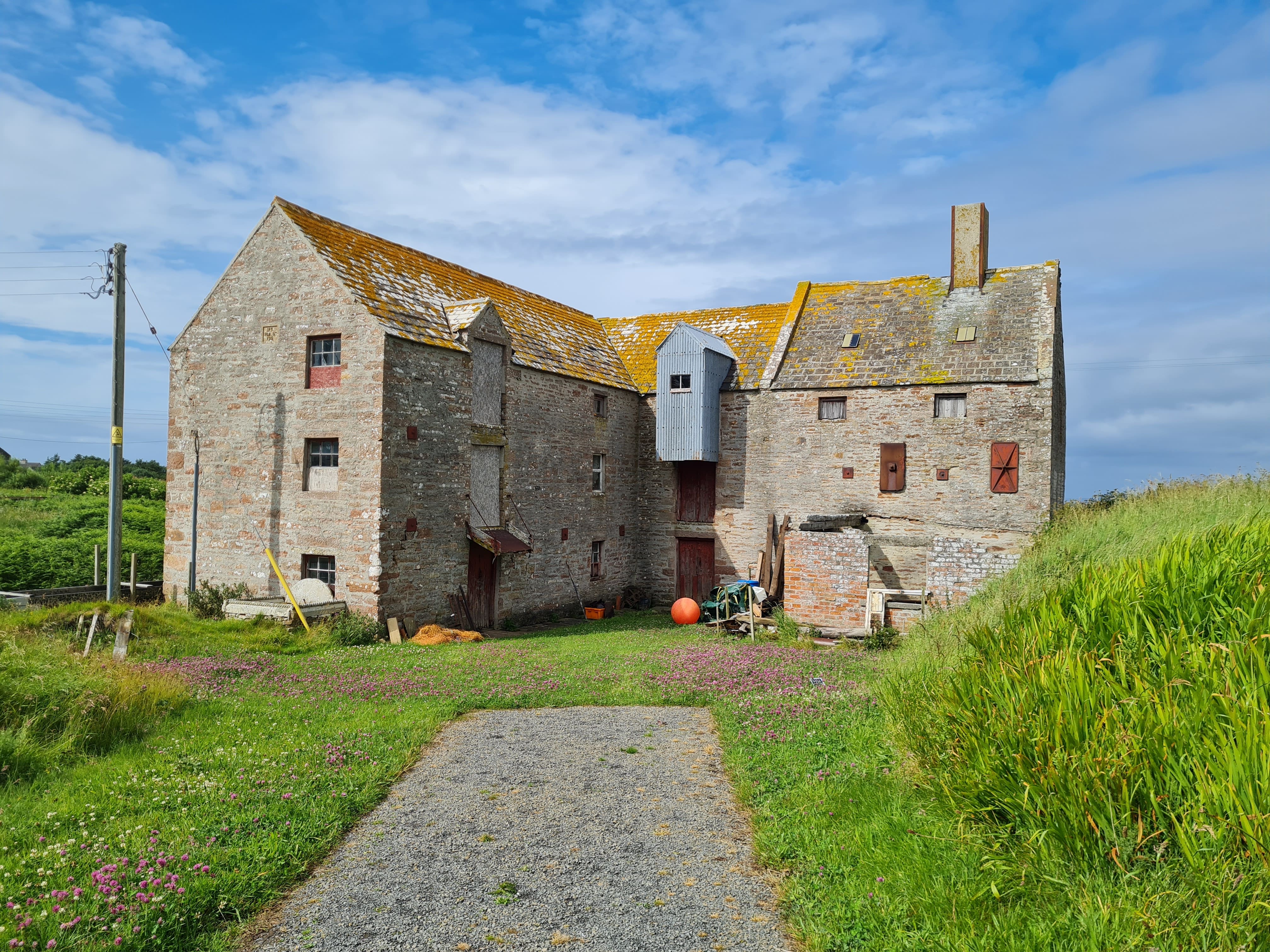
The John O’Groats Mill Trust recently completed work on its £4.8m project to restore and bring back into use, an iconic B listed watermill, situated on the north coast of mainland Scotland. Having lain empty and unused for over 20 years since the last miller passed away, this project saw the conservation standard repair and extension of the mill, bringing it back into sustainable productive use for the community, providing a community venue and new heritage visitor attraction.
Building quality
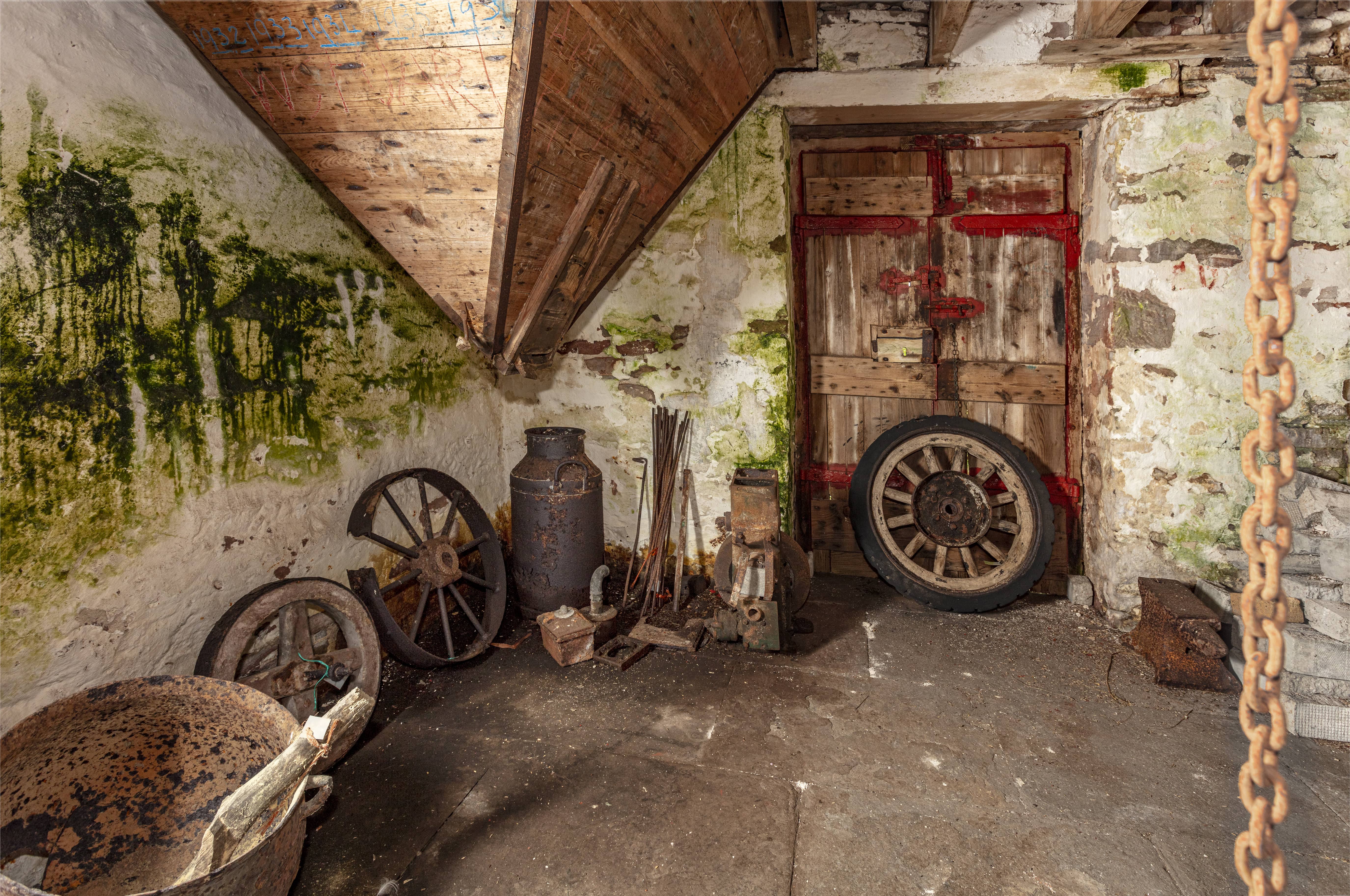
The mill is category B listed and a unique survivor of the once thriving Caithness Milling Community, with all of its internal milling machinery and external waterwheel intact and operational. This project saw the conservation standard repair of the existing mill using traditional methods and materials including slate roof repair, lime mortar pointing and traditional timber repair as well as the addition of a modern striking, yet sympathetic extension. The ethos behind the repair of the old mill was to retain and repair as much of the existing fabric as possible, only making adaptions for accessibility and health and safety; otherwise, the mill remains as it has been for generations, capable of drying and milling corn. The glass fronted extension houses the new facilities including toilets, a kitchen, reception and community space. High quality interpretation completed the work to turn it into a first class visitor attraction on the NC500.
Ethical/environmental standards
The delivery of the John O’Groats Mill project by the Mill Trust focussed on the needs of people. This project was identified by the community as a response to the well-loved mill becoming a derelict building. The plans for the mill and the end uses went through a comprehensive consultation process with local groups, schools and individuals recommending uses based on the needs of the community. The Mill Trust designed in environmental measures in all aspects including, using second hand traditional materials, local supply chains and installation of energy saving measures. Existing materials were used to repair the mill wherever possible, reducing waste. The historic mill pond had been silted over and unused since the mill closed 20 years ago. As part of the project, this was dredged to bring it back into use as a water source for the mill, but also to reinstate a wetland, encouraging biodiversity in the area and providing an additional quality public space, retaining the historic form of the pond. The roof of the new extension is designed to blend in with the landscape with a green roof planted with native species. Visitors are encouraged to learn about and respect the natural environment through our new interpretation panels located in the surrounding landscape informing the public of the flora and fauna of the area and the natural habitat specific to this location.
Community impact
As well as rescuing a significant heritage asset and bringing it back into productive, sustainable use, the Mill Trust is helping to address some of our community’s social issues. John O’Groats is in the bottom 5% for access deprivation according to the Scottish Index of Multiple Deprivation. The mill provides a new community facility, allowing residents of this remote and rural location access to more learning opportunities and activities. The area also has the second highest suicide rate in Scotland and the mental health benefits of having a new gathering place will help to reduce isolation. The new jobs the renovated mill has created are vital to this rural economy which struggles to maintain its population. The project will be transformative for John O’Groats which is an iconic tourist destination but suffers from a lack of visitor dwell time. The new attraction will encourage longer stays in the area, benefitting local cafes and hotels. In 2010, John O’Groats was named ‘Scotland’s Most Dismal Place’ at the Carbuncle awards. Since then, the community and the John O'Groats Mill Trust have come together to fight off this stigma and create a positive identity for John O’Groats. The mill project is a lynchpin of this transformational drive forwards for the area to help not only save and renovate the empty buildings and derelict land, but to change the discourse and attitudes to the area, ensuring a more positive outlook for those who live, work and visit here and creating real opportunities for change.