Nominee Summary
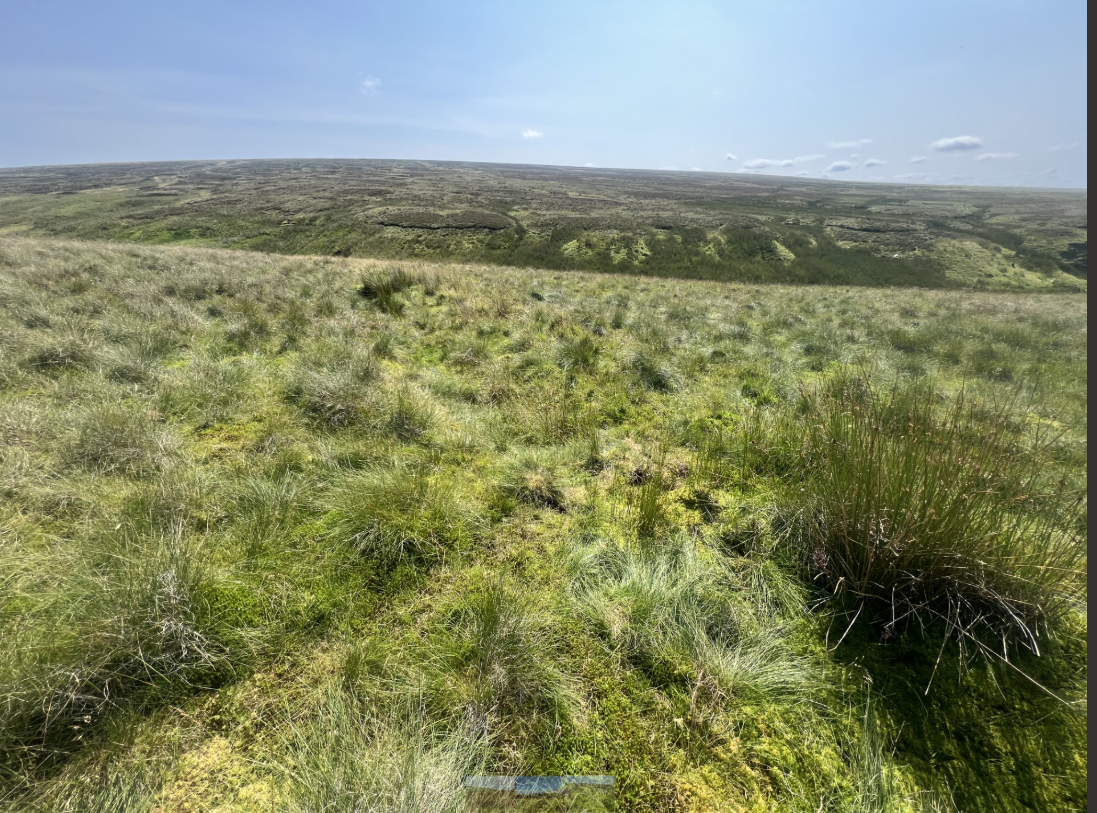
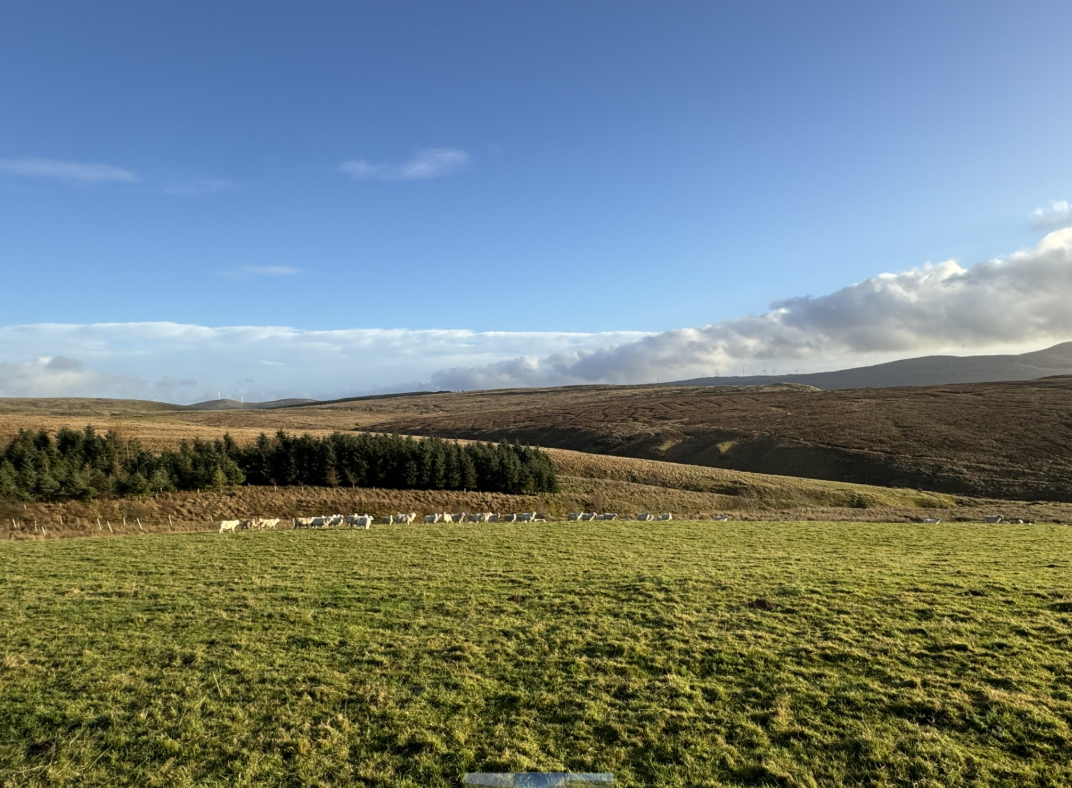
We are championing the positive role that sheep can have in conservation grazing and nature recovery. Using adaptive mob rotational grazing we are using large mobs on mainly region 3 land within a SPA and SSSI. We have developed a sustainable, profitable, resilient sheep farming system with very little inputs as first generation land owners. Highlighting what is possible on marginal land to both build a business and habitats for red list species. We have done over 800 hectares of peatland restoration whilst still grazing, allowing natural rest periods through the adaptive mob grazing. Mitigating climate impacts.
The approach of your nominee
Optimising marginal land to deliver 3500 ewe pasture grazed hill flock through developing an adaptive mob rotational grazing system suitable for the uplands. As first generation landowners we have now built the business to 5050 acres by prioritising low inputs and being efficient with our time. Producing sustainable high quality lamb for the UK market, whilst enhancing habitats for nature. Using holistic management to optimise everything we have. We have no feed costs, no energy costs and minimal medicine. We do make not make hay, silage or top grass. This simplicity compliments our land and over the years has improved our land sustainably. Part of the farm was a former coal opencast site which through our conservation sheep grazing is back to vibrant pasture. Our approach is that nature and food production are intrinsically linked and compliment each other. In 2019 we completed over 800 hectares of peatland restoration, helping to mitigate the impact of climate change and future proof the business. We have a robust, resilient and healthy flock and a business which can mitigate potential impacts from rising input costs as we have very little market dependent inputs. We are proactive in advocating for the positive role that farming can play in nature recovery.
Overcoming Challenges
Starting out as first generation landowners there has always been financial pressure which was one of the principal reasons for keeping the system simple and the costs low. However this has also proved to be an advantage as it has allowed us to developable a scalable business model which has grown from 470 acres to 5050. Having 3 young children with no support at times can be challenging but that is where time management becomes so important and making sure you run the business and that it doesn't run you. Keeping a closed flock means that it took time to breed the flock to the 3500 that it is today. As animal welfare and health is a vital part of the farming system we had to be patient and take our time rather than buying in ewes. Covid was another challenge as we were not sure if we could travel to Wales and England at one point for ram sales, so to mitigate for the future we started our own stud flock so we are not entirely reliant on sales which happen once a year.
The impact of innovation
The environmental impact of the peatland restoration has been huge as the project will sequester over 50000 tonnes of carbon. It can withstand weather extremes, in times of drought it keeps the hill green and during flash flooding slows the release of water downstream. Working collaboratively with RSPB Scotland the project was designed to work with our sheep farming system eg pools had a 35 degree slope to allow sheep to safely get back out, multiple crossing points put over the pools to provide safe crossing points for both stock and quads during gathers. The re-profiling of the historic ditches means less hiding places for predators which benefits the ground nesting birds. Economically this has resulted in a significant decrease in black-loss. Muirkirk is a former coal opencast village and the publicity of our project has given the village a boost as it's becoming know for positive steps in nature recovery. We have spoken many times in the local school about our sustainable farming system and the important role of healthy soil in ecosystems. Year on year there is an increase in the number of various species on the farm, many of which are red list. As the sheep numbers have increase, so too has the biodiversity on the farm through the holistic management. We have been proactive in hosting government ministers, MSPs, MPs, NatureScot, RSPB Scotland, and civil servants to demonstrate the positive role sheep play in rural Scotland.