Nominee Summary
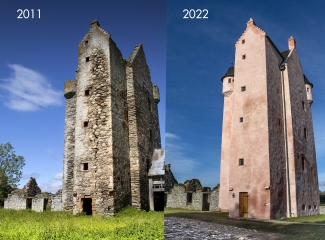
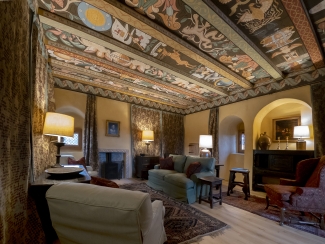
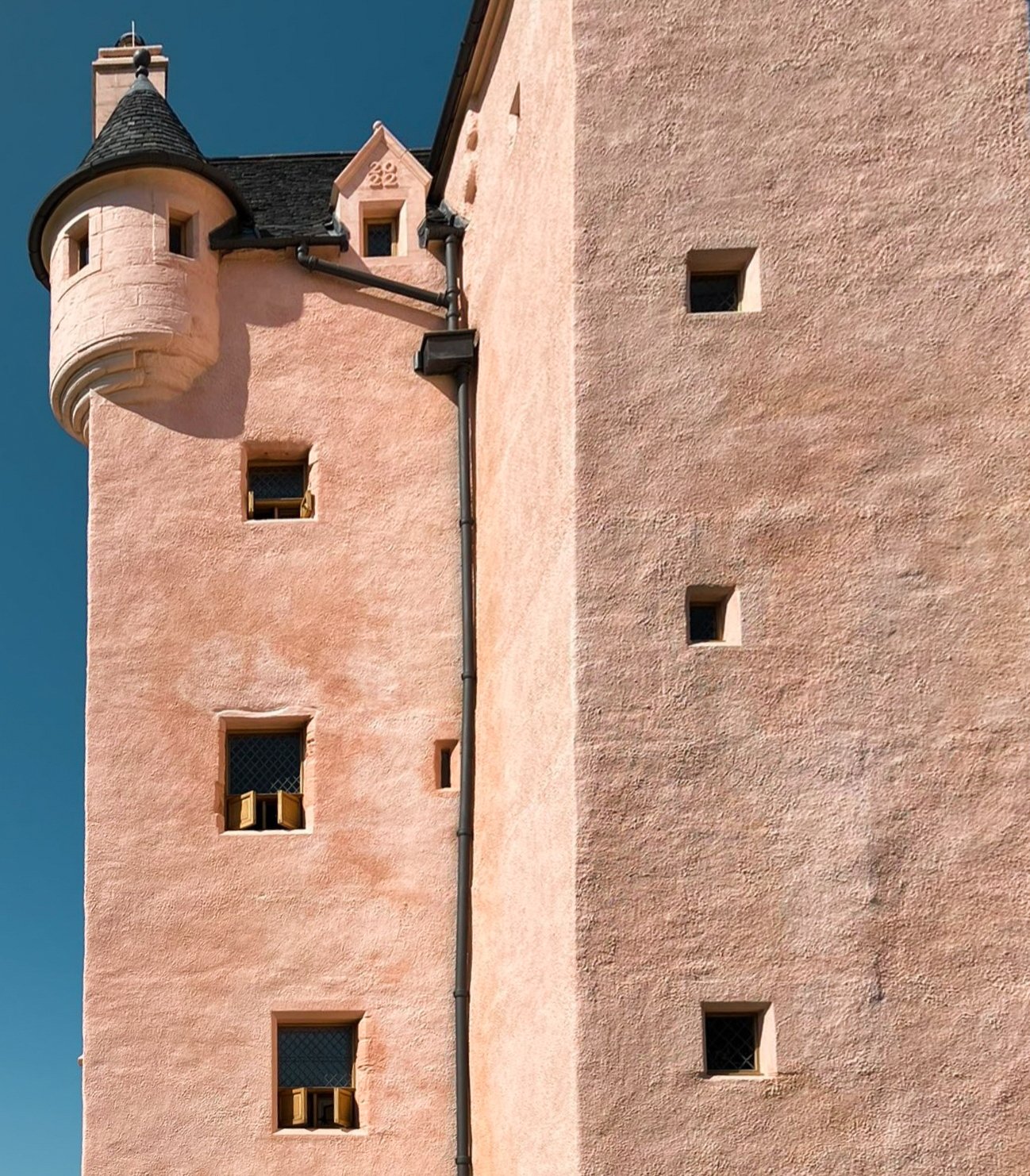
Fairburn Tower is a rare example of a surviving tower house from the Scottish Renaissance dating from around 1545. The tower fell into disrepair and became a ruin for over one hundred years. It was on the Buildings at Risk Register for Scotland, until it was identified by the Landmark Trust as a potential project. Simpson & Brown was appointed by the Landmark Trust to rescue the tower to become a self-catering holiday let. The project carefully balances authentic restoration and creative, sustainable retrofit providing the historic building with an appropriate reuse which meets today’s visitor expectations.
What makes your nominee stand out?
In the 19th century, the Fairburn estate passed through the hands of various absentee landlords. The cottages adjoining the tower were lived in until the 1950s, but by 1910 an Inland Revenue Survey reported simply: 'Old Tower ruinous and of no commercial value'. Cracks opened in its walls like gaping wounds and its floors fell in. Yet even in that state, it was still recognisable as a fine and relatively well-preserved and unaltered tower residence of the Scottish Renaissance, capturing the duality of that period in both its gun-ports and in the quality and detail of its accommodation. As an expert in Scottish tower houses put it to us at the time, ruinous Fairburn Tower was a prime example of a little altered Renaissance tower, and 'just waiting to be asked to dance'. Having been involved in many attempts to save the tower over 20 years Simpson & Brown were delighted when the Landmark trust took on the project to save the building from ruin. The tower has now welcomed hundreds of visitors to the area, and has hosted a number of tours for the community and heritage groups.
Changes that have been implemented
The Landmark Trust continue to manage the land and upkeep the building using traditional methods and local people. The trust receive ongoing feedback from their guests and address changes as they are needed. In addition to paying guests they are continuing to host visiting groups interested in seeign teh buildign and are involved in teh annual Doors Open Day for the area.
Overcoming challenges
The ruin was a dangerous structure when the project started. Scaffold was erected in January 2020 to prevent further movement, allow inspection and agree consolation works. This was carried out using traditional hot lime mortar masonry construction. The building was further stabilised by the new in-situ concrete turnpike staircase within the stair tower. Health and safety access restrictions meant a close relationship was formed with the contractor to agree details as work progressed. Progress was impacted by roosting bats, jackdaws and barn owls, and COVID-19 but was completed on budget in October 2022.