Nominee Summary
Lochview Rural Training (LVRT) is a charity and social enterprise based on a working croft in the remote northern Highlands - where there's acres of land, farm animals, farm machinery, growing areas, a polytunnel and learning cabin. LVRT works with children, young people and adults of all ages and abilities providing hands-on experiential learning to develop new skills, gain agricultural experience / qualifications and build confidence. Participants go on to local land-based employment, set up their own rural enterprises, to further learning or simply enjoy being in the outdoors with the animals or growing produce.
The preservation of skills
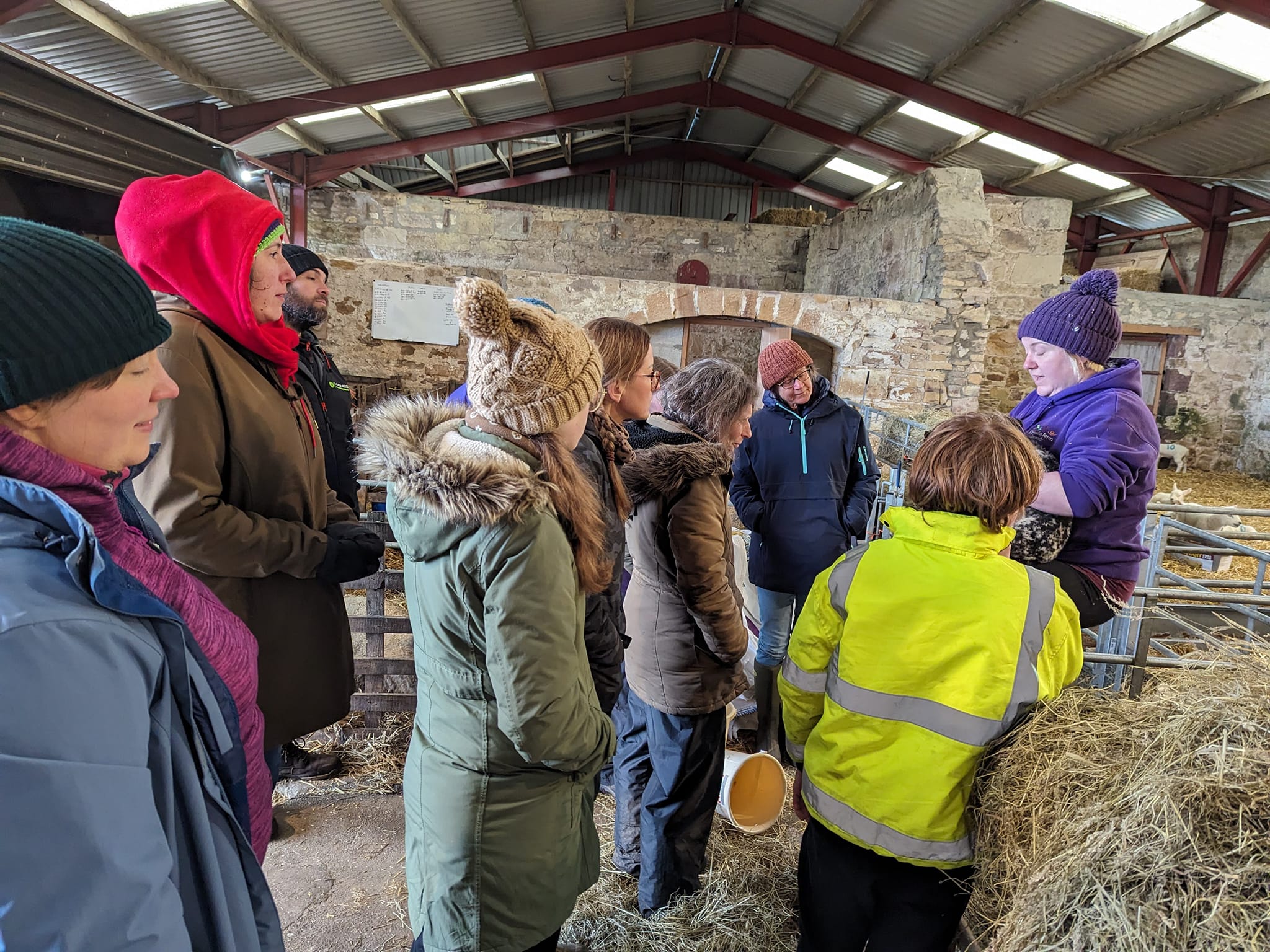
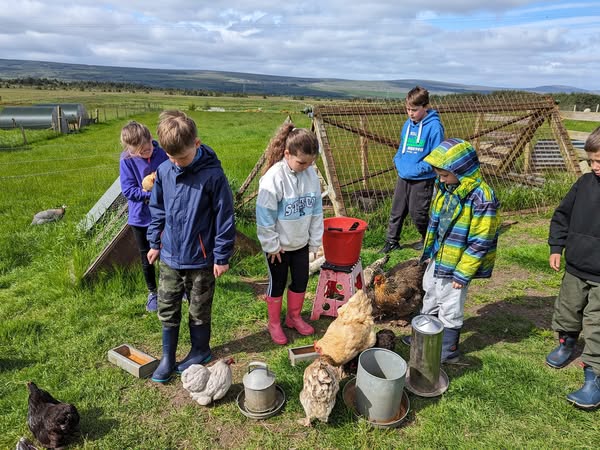
There are now more crofters over the age of 65 than there are under 65 and crofting knowledge / skills are in decline. Additionally, Sutherland has an aging and declining population with many young people moving away from the area to study or for employment. LVRT offers hands-on training to people from across the Highland area to ensure that heritage skills are not lost. Drystone walling, fencing, peatland management, animal husbandry, willow weaving, knitting and rug making are just some of the heritage courses offered. LVRT also offer 'Introduction to...' courses such as Introduction to Lambing, Introduction to Land-based Sector' as well as delivering rural enterprise projects to children and young people. LVRT also links tech savvy young people with older generation crofters for an exchange of skills and knowledge, and is working on a 'Crofter's Voice' project which will record stories and traditional ways of crofting for future generations. LVRT runs Junior (7-11 yrs) and Young (11-19 yrs) Crofters groups, introducing young people to animal and plant care, and to the use of specialist farm equipment - young people in these groups are often not from crofting / farming backgrounds and aim to study agriculture or become vets, or aspire to be crofters. A separate 'Land to Livelihoods' project supports young people and adults to develop their own rural enterprises. LVRT supports young people to achieve Saltire Volunteering Awards, and has a strong volunteering programme for both adults and children.
Increasing awareness
LVRT is based in the remote northern Highlands, near Lairg in Sutherland. LVRT delivers training, projects and activities at it's base on a working croft, in the community and in local schools. LVRT is unique in the type of courses, workshops and support that it offers. Participants come from across the Highland's and Islands to attend specialist courses, while local children, young people, families and adults come to LVRT for regular weekly activities. LVRT offers a wide range of activities, training and support - including to young people with additional support needs (ASN) and to adults with long term mental and physical health conditions. Sessions are usually delivered 1-1 or in small groups. LVRT has a strong social media presence advertising the training and activities at the croft, distributes a regular newsletter and staff attend forums and partnership meetings to share good practice and to listen to local need. LVRT links closely with education providers, LANTRA, RHET, the Crofting Commission and with local community and statutory organisations. LVRT have a website which will soon also offer online courses available to people across the UK (and beyond). LVRT staff deliver enterprise sessions in schools following the NFU Education Programme, and run regular activities for children, young people and families on the croft. LVRT has recently appointed a Volunteer Co-ordinator whose focus will be on expanding the adult volunteer programme, particularly through outreach in remote crofting communities and to develop a programme of 'Supported Volunteering' and mentorship.
Ethical/environmental standards
Crofting is a sustainable method of small scale farming that is gentle on the land, preserving the Highland landscape for future generations. Everything that LVRT offers promotes positive environmental practices, traditional land use, and re-use / repair. Where possible local suppliers provide equipment and goods, and produce from the croft is harvested as part of cook-and-eat projects. Volunteers (and participants from adult groups) are working on 're-use and repair' projects, upcycling waste wood in to planters, compost bins and useful garden seating / equipment. One of LVRTs trustees has enrolled on a Climate Springboard programme supporting energy audits and reducing costs / energy usage. Cara Cameron, LVRT's founder, CEO and manager has a PgDip in Organic Farming and uses her skills and knowledge to promote organic farming methods to others.
Noteworthy improvements
LVRT is a forward thinking and pro-active organisation that responds to local needs. LVRT was set up in 2021 with the aim of upskilling local young people in to local employment, to reduce net migration from the area, to promote local employment opportunities through close working with employers and to ensure that young people thrive and are able to reach their full potential. Over the last five years LVRT has grown and expanded significantly. Initially run by the founder, LVRT now employs 7 members of staff, has a growing (and supported) volunteer base and offers a wide range of courses, workshops and activities. Upskilling young people in to land-based employment remains a priority, but LVRT now also offers support for adults with long-term mental and physical conditions and for children and young people with additional support needs. The benefits of working with animals, on growing projects and in the outdoors generally are well known and feedback from participants has been very positive, with comments such as 'there's peace on the croft' and 'I leave my troubles behind on the journey to the croft' . LVRT works with young people who have disengaged from formal learning, these young people achieve qualifications through experiential hands-on learning rather than in formal classroom settings. The 1-1 support that LVRT offers to young people with ASN has seen participants achieve qualifications, gain experience and join in with group activities - something their parents / support workers thought would never be possible.
Overcoming Challenges
LVRT is based on a working croft in a remote area where transport is a barrier to participation - the bus stop is 2 miles away and buses are at best) infrequent. LVRT encourages shared car use, and often collects participants from the public transport. One of the tasks for LVRT's new Volunteer Co-ordinator is to identify and support 'transport' volunteers willing to pick up participants. LVRT are also working with community organisations around the use of community cars (which again need volunteer drivers). For most projects LVRT relies on external funding. As a charity and social enterprise any income raised from specialist adult courses is used to support projects for children, young people and vulnerable adults. LVRT employs a Development Officer who is responsible for strategic planning, consultation, monitoring and evaluation and for securing funding for projects. Deciding to employ a Development Officer has been one of the keys to successful project design and delivery. Staff, trustees and volunteers at LVRT are encouraged to share ideas for project development and delivery. LVRT's dedicated and knowledgeable team empower participants to reach their goals. Staff / volunteers say they feel supported and valued, and opportunities for CPD (internally and externally) and reflective practice are important elements of LVRT's success. LVRT has a strong youth volunteer programme and a youth steering group which helps to shape how learning is delivered at LVRT. LVRT's new Volunteer Co-ordinator is further developing the adult volunteer programme, with volunteers bringing a wide range of new skills.