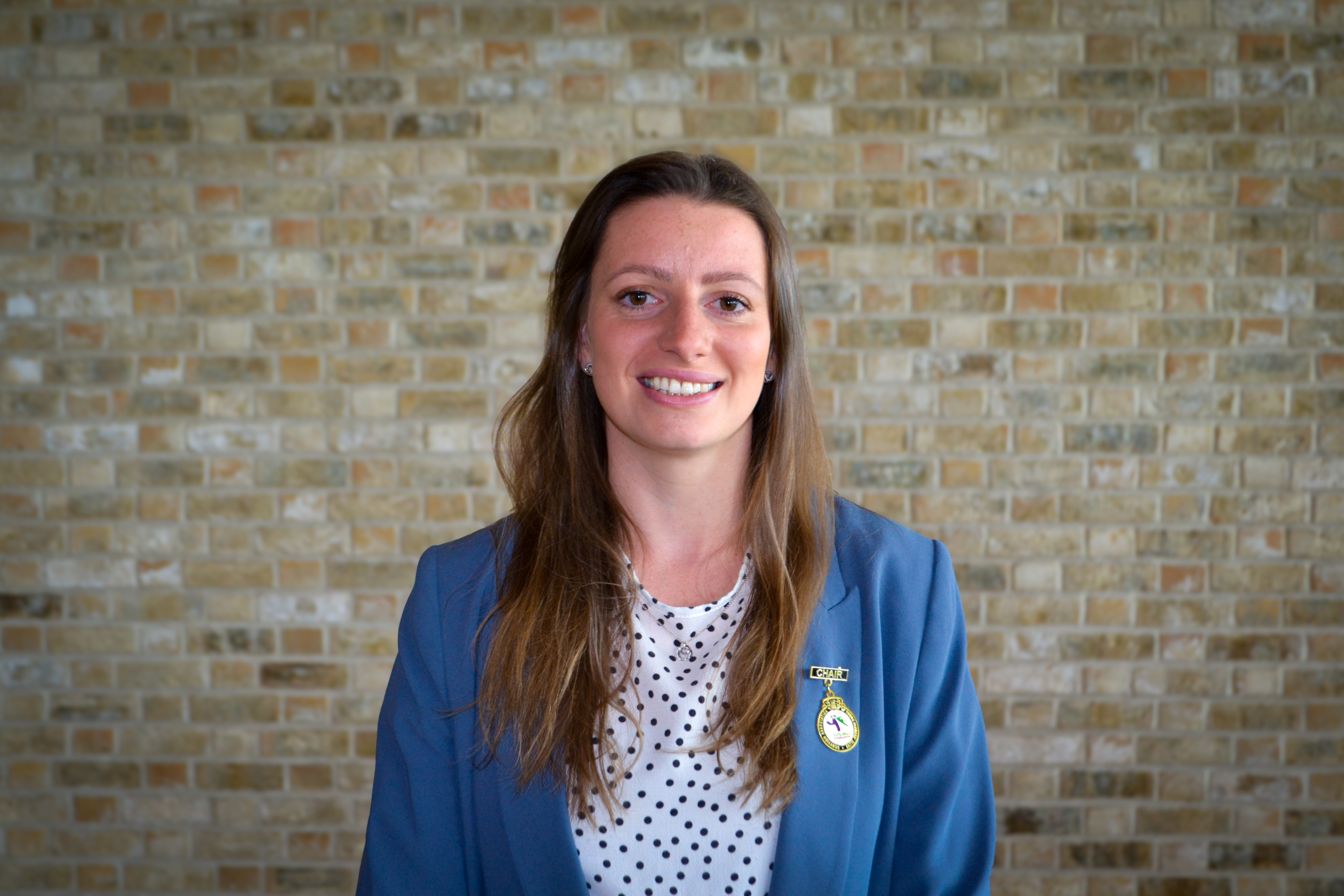

Nominee Summary
Jillian Kennedy is a pioneer - a highly-skilled forester, an excellent relationship-builder, communicator, and a born leader. She works tirelessly to foster greater understanding between farmers and foresters, to break down barriers between them, and to build stronger rural communities. Jillian joined the SWL Graduate Development Programme in 2017 and is now a Senior Forest Manager. She oversees a range of complex projects, already displaying great leadership qualities, both with SWL and externally. She's National Chair of the Scottish Association of Young Farmers Clubs (SAYFC), Director of the Perthshire Agricultural Society, and a contributor on UK and European policy stages.
Nominee – Qualities
Jillian grew up on a Perthshire livestock farm and still supports the family farming business. Her deep understanding of farming, and now forestry, has put her in a unique position to build bridges between the communities, and other rural interests. She has risen to the challenge and shown tremendous leadership in this area, tackling outdated and inaccurate narratives about forestry, and working towards practical, constructive collaboration - and greater trust - between farmers and foresters. Jillian looks for real-world, pragmatic solutions, not just words on a page - by showing, not just telling. This requires hard work, and investing significant personal time to appear at a variety of events, to challenge and change negative narratives about trees and farming, by offering practical examples of mutual benefits, and areas of shared interest. Jillian is currently serving as SAYFC National Chair, which allows her to talk about, and showcase, forestry in front of thousands of young rural members and their families. She attended the European Rural Parliament (held in Aberdeenshire in October 2025) and talked about rural youth and rural communities in Scotland. She brought back insights around youth inclusion, community resilience and more - all directly relevant to how forestry is a partner in rural life, not a competitor. Jillian also shows great leadership by working with and inspiring younger generations in the industry to be more open to trying new ideas, and talking about practical joint projects and better communication and working relationships.
Nominee - Sectoral Impact
Jillian’s impact is practical, reputational and relational. Practical outcomes include multi-benefit forestry delivered and showcased—such as the Knowes & Keltie site visit for international leaders, which evidences Scotland’s approach to regulated, consultative, community-aware planting, with public access and climate benefits. Reputational impact comes from clearer understanding of forestry among rural audiences via Confor’s policy conference and the Westminster APPG, where she advocates transparent standards, better skills pipelines, and collaborative land use decisions that serve food security and timber security together. Relational impact is seen in her roles as SAYFC Chair and Perth Show Director, where she puts forestry in front of the next generation and mainstream rural communities—building bridges, trust and practical participation through careers, joint projects and diversification. Her contribution to the European Rural Parliament connects rural Scotland to continental peers and the Inverurie Declaration, reinforcing shared values around stewardship, youth inclusion and resilience—values she brings back into everyday forestry practice. Jillian also won the Future Leader Award at the Confor Awards 2026.
Nominee - Going the extra mile
What distinguishes Jillian is her habit of showing up—after hours, outside the job title—to do the slow, relational work that moves the sector forward. She gives her spare time to panels and youth forums, chairs SAYFC through a busy national year, and stewards a major rural show as a Perthshire Agricultural Society Director. These roles require empathy, stamina and diplomacy—and yield real dividends: greater public confidence in forestry, stronger rural institutions, and more young people who see a place for themselves in the sector. She also steps onto national and European policy stages—Confor’s policy conference, the APPG, and the European Rural Parliament—as a practitioner, not a lobbyist: she brings the credibility of sites delivered, contractors supported, risks managed, communities engaged. That blend of hands-on delivery and public advocacy—plus her commitment to safety, wellbeing and mentoring—marks her out as a leader who takes responsibility and shares credit.