Submission Details ------------------
Nominee Summary
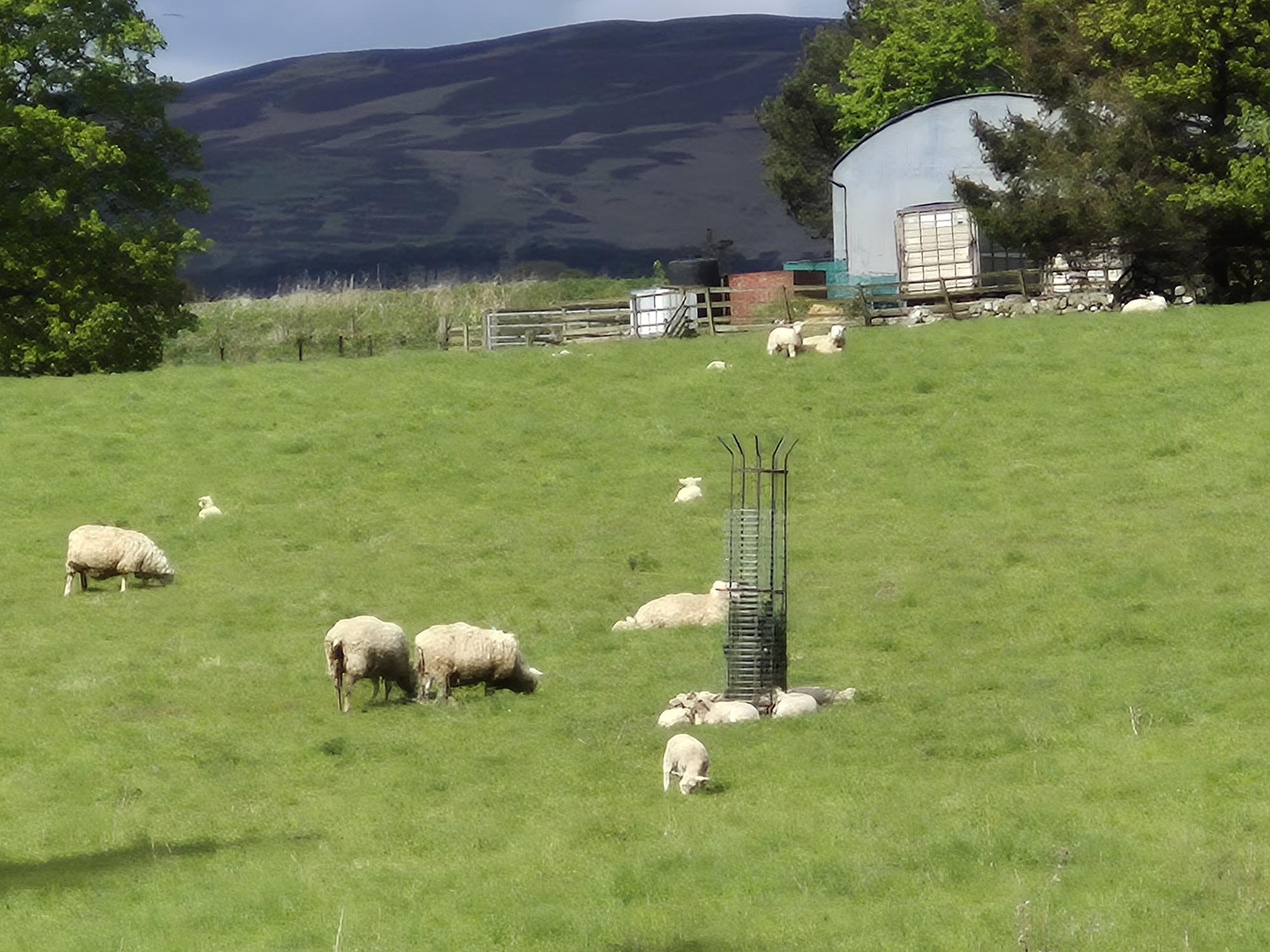
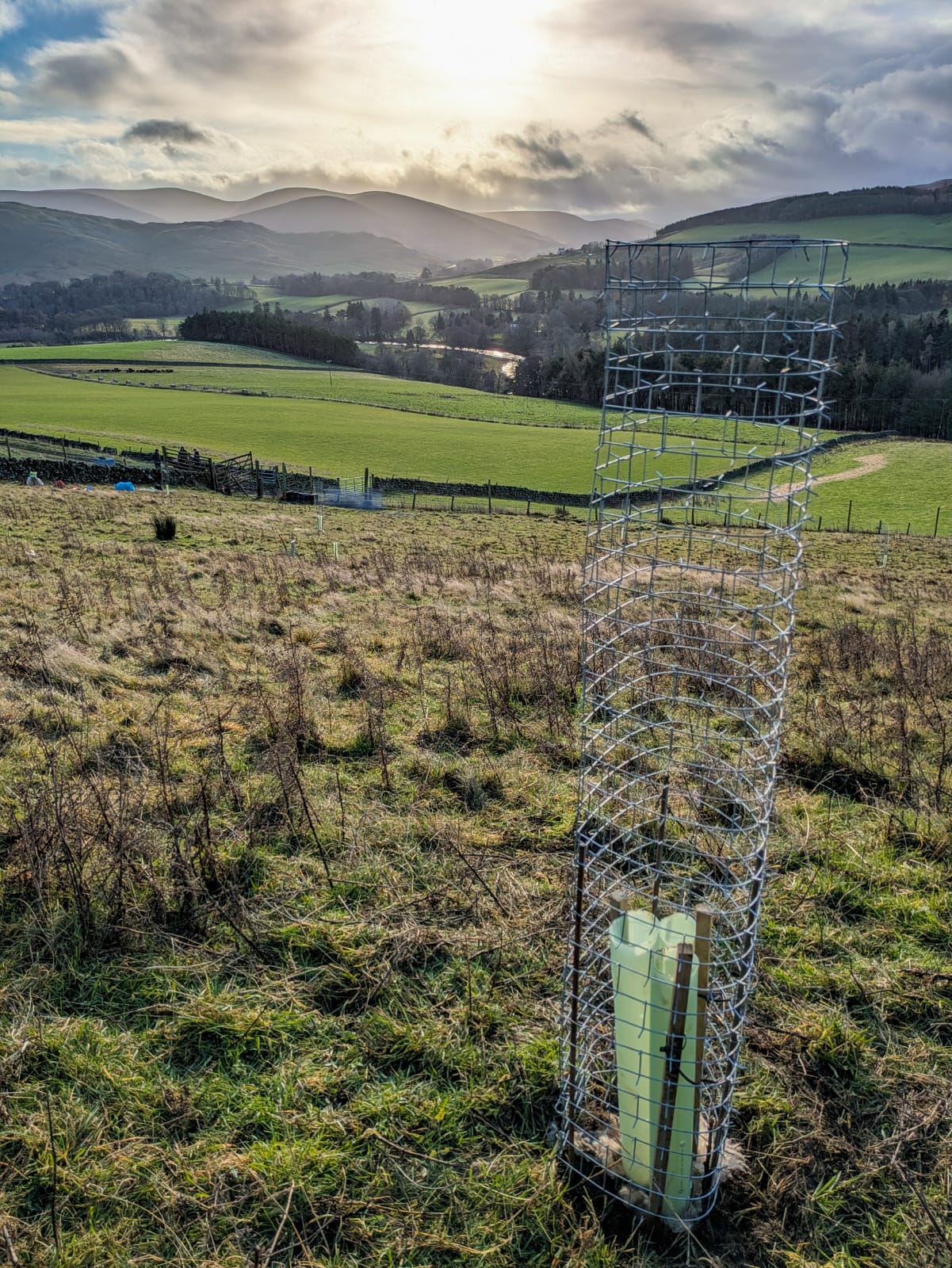
Tweed Forum and Neidpath Farms have partnered to create one of the largest agroforestry projects in Scotland. In the last seven months, more than 1,700 native broadleaved and fruit trees have been planted across an ambitious 13.6 ha agroforestry project aimed at boosting farm productivity, improving habitat connectivity, and increasing climate resilience. The project has used a range of innovative tree protection methods not yet seen at this scale in Scotland. At the same time, an additional 100 landscape trees have been planted across the farm to enhance the landscape and amenity value of the area.
The approach of your nominee
The farm at Neidpath chose to change its approach to grazing by integrating livestock with trees for a number of reasons. Improved soil health: extensive root systems and additional leaf litter from the trees are expected to boost soil carbon, water infiltration, and nutrient cycling, improving grass yield while enhancing soil structure. Increased farm diversification: the 191 fruit trees planted in the project (apple, pear, plum, and cherry) are expected to provide the farm with a valuable product to sell to local markets. Improved climate resilience: integrating trees into pastures will hopefully improve the land’s ability to cope with periods of drought and flooding while extending grazing seasons by creating an under-canopy microclimate. Increased overall farm productivity: just under 1,000 willows were planted as part of this project and are expected to provide additional forage for livestock that is rich in protein as well as essential trace metals such as cobalt and zinc. The trees will also provide shelter and shade for livestock. The subdivision of the large lambing field in compartment 2 has enabled the farm to make better use of this space for cell grazing. From Tweed Forum’s perspective, the increased native woodland cover will bring significant benefits to biodiversity in the area while increasing the farm’s ability to mitigate the impacts of flooding and improve water quality in the River Tweed SAC and SSSI.
Overcoming Challenges
The main challenge in delivering this project was securing funding to make it possible. Despite the numerous ecosystem service benefits provided by this woodland, finding compatible funding streams was incredibly difficult. Initially, an application was developed alongside Scottish Forestry through the Agroforestry Forestry Grant Scheme. However, after more than a year of discussions about protection requirements, woodland densities, and eligible areas, the application was submitted but was eventually blocked because of incompatibility with organic payments on the RP&S website. The scheme passed through the public register stage without any complaints or objections, but after almost 18 months of work, the project was dead in the water until the Woodland Trust provided funding for all of the capital items through its Trees for Your Farm initiative. The remaining labour costs were funded through the Destination Tweed Woodlands for Water and Wildlife project. The second biggest challenge was finding a contractor to carry out the works. Although cactus guards have been used elsewhere in the country, this project required more than 450 of them to be installed within a few weeks. This required a great deal of upskilling and trial and error from both us and the contractors to ensure the guards were installed correctly and within a reasonable timescale.
The impact of innovation
This project has delivered a number of environmental, social, and economic benefits. Environmental benefits include increased carbon sequestration across a farmed landscape; increased habitat for wildlife, with areas of pine woodland extended to improve conditions for red squirrels; enriched farm biodiversity, as low-density woodlands have some of the highest biodiversity value of any woodland type; increased pollination, with flowering trees such as cherry, rowan, and fruit trees planted in good numbers; and improved flood mitigation on the hillside through increased run-off infiltration. Economic benefits include improved farm productivity through better forage resources and healthier livestock due to increased shelter and shade; improved farm diversification, with additional produce being created from the same amount of land without any reduction in livestock numbers; increased specialist knowledge gained by local contractors; and improved farm resilience, with a greater ability to respond to periods of extreme rainfall and prolonged drought. Social benefits include improved landscape value in the area; enhanced amenity value, as there is a popular walking route through the farm and these landscape trees and low-density wood pasture areas will enhance the experience of those using it, with fruit trees also planted along this route; and improved climate resilience, with the site helping to make downstream communities more resilient to climate change-related weather events.