Nominee Summary
Founder Mike Duxbury, a totally blind farmer, refused to accept that disability should limit a future in agriculture. Inclusive Farm Scotland at MacRobert is a working Aberdeenshire farm designed by and for people with disabilities and diverse needs. Supported by The MacRobert Trust, it provides accessible, hands-on learning in agriculture and recognises that everyone learns differently. Its mission is rooted in inclusion, creating a sense of belonging while offering tools, mentoring and support to help individuals adapt and thrive. By identifying strengths and tailoring experiences, confidence, skills and pathways into rural employment are built, inspiring future generations.
The preservation of skills
Inclusive Farm is dedicated to preserving and passing on traditional agricultural skills in a way that is accessible to people with disability and difference. Mike’s background on a mixed family farm brings a broad, practical understanding of farming systems, stockmanship and fieldcraft. These skills are now being actively shared with a new generation who might otherwise be excluded. Students learn core competencies that any good farmer needs: safe animal handling, vehicle maintenance, general repairs, routine husbandry, feeding and watering, mucking out, basic health observations and understanding livestock behaviour. They also gain insight into breeding, nutrition and production cycles, along with health and well being and healthy eating. The use of real working systems, rather than a “petting farm” setup, ensures that the skills being taught are directly relevant to modern agriculture and other areas of employment. Crucially, Inclusive Farm adapts methods so that visually impaired and disabled learners can fully participate. For example, handling sessions focus on using touch, sound and smell to assess animals; farm layouts are designed for independent navigation; and tools, bins and equipment are labelled and positioned for ease of use. This adaptation does not dilute the skill, it preserves it in a new, inclusive form. By building confidence, teamwork and communication alongside technical ability, the farm helps students see themselves as part of the agricultural workforce. In doing so, it safeguards not only practical skills, but also the culture of resilience, responsibility and pride that underpins successful farming.
Increasing awareness
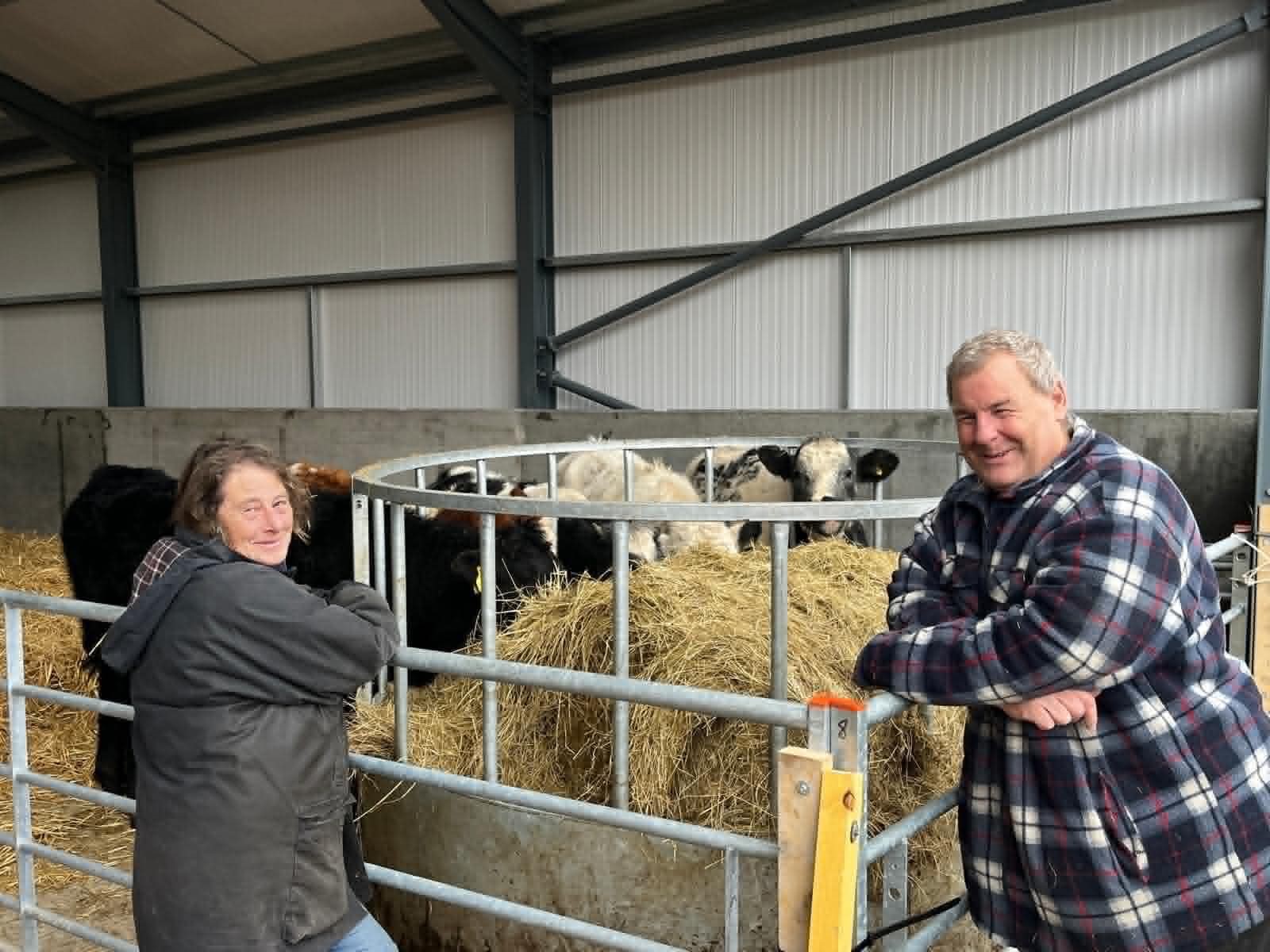
Inclusive Farm actively challenges perceptions about who belongs in agriculture and what disabled people can achieve. By its very existence, a fully functioning farm designed and built by a totally blind farmer, it sends a powerful message to the public, to the industry and to disabled people themselves. Since opening in Tarland in 2024, the farm has welcomed students, families, educators and visitors who may never have considered agriculture as an option for those with disabilities or additional needs. Through hands on experience, people see that with thoughtful design and the right support, barriers can be removed and meaningful participation is possible. This lived example does more to raise awareness than any leaflet or slogan. Mike and Ness use every interaction as an educational opportunity: explaining how the farm is laid out for navigation by touch and memory, why certain gates and troughs were chosen, and how labelling and routines enable independence. Discussions naturally extend to wider themes of food production, animal welfare, healthy eating and career pathways in farming and associated industries. The story of Inclusive Farm, its founding, Mike’s journey through college and industry, and building a training farm, provides a compelling narrative for media, schools, colleges and sector bodies. By sharing that story, they not only raise the profile of disability in agriculture, but also highlight the sector’s capacity for inclusion, innovation and kindness. In doing so, Inclusive Farm helps shift mindsets from “why it can’t be done” to “how we can make it work”.
Ethical/environmental standards
Inclusive Farm is built on deep respect for animals, people and the land. Drawing on Mike’s lifelong experience across mixed farming and the pig sector, the farm is run to high standards of welfare, stockmanship and husbandry. Animals are reared in a calm, low stress environment where students learn that good handling, observation and care are non negotiable foundations of ethical farming. Plans are to keep a wide variety of species to demonstrate the responsibilities and realities of different systems. Students are taught about species specific needs, appropriate housing, feeding, health checks and behavioural cues, reinforcing that welfare is about understanding each animal as an individual. Time spent quietly with stock, learning to recognise sounds, smells and behaviour, is central to the approach, especially for visually impaired learners. In addition, the farm provides an insight into food production, animal welfare and eating healthily and supports making informed choices about their own health and lifestyle. The farm also champions ethical standards in a broader sense: inclusion, fairness and respect for people. Its core mission is to ensure that disabled people and those with additional needs can access opportunities in food and farming on equal terms, and make informed choices about their own diets and lifestyles. By linking welfare, environment and inclusion, Inclusive Farm sets a powerful practical example of ethics in action.
Noteworthy improvements
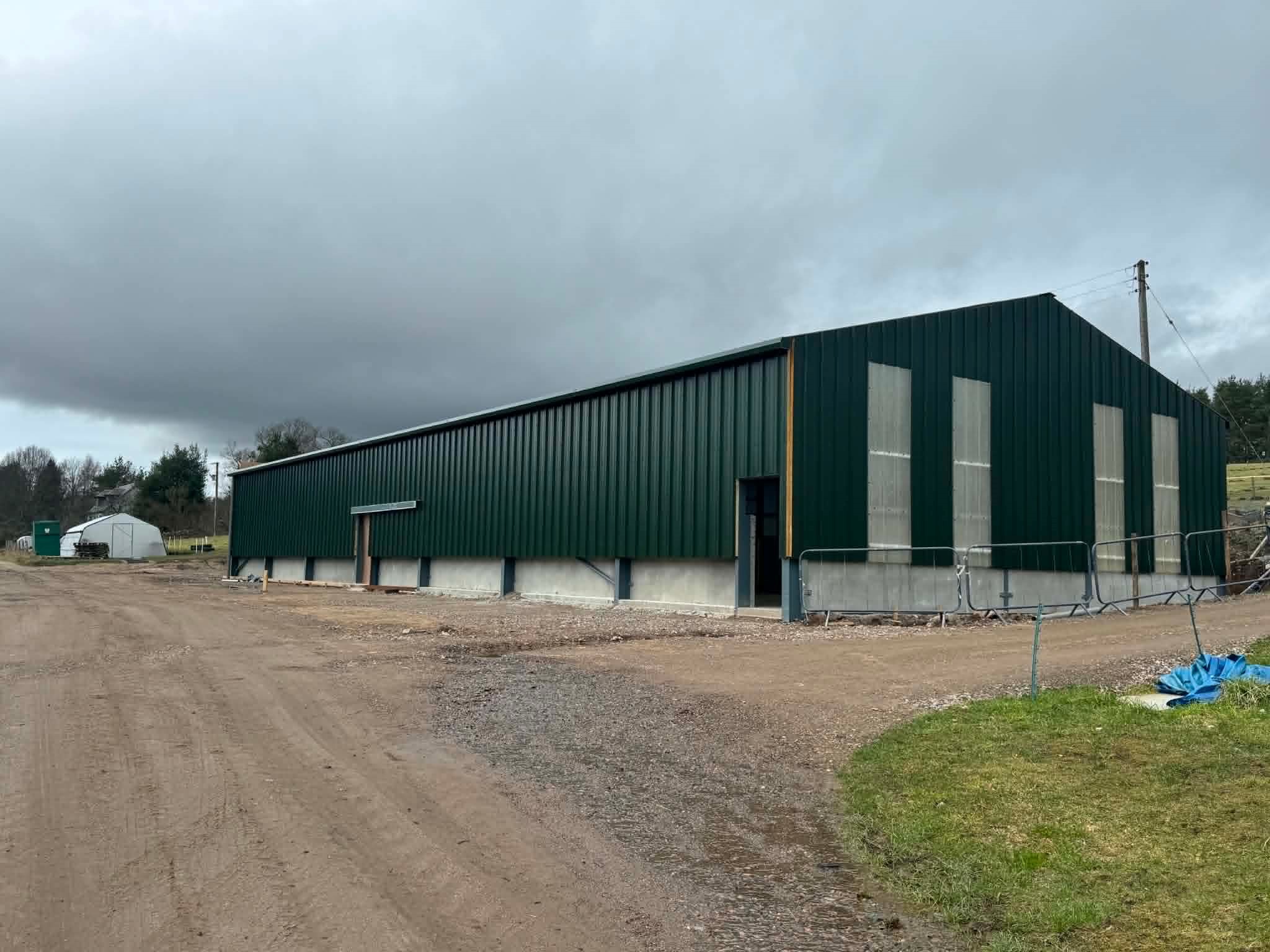
In just 18 months, Inclusive Farm has delivered remarkable change on several levels. Physically, it has transformed 22 acres of rundown land into a safe, productive and welcoming smallholding, with secure fields, pens, polytunnels and a nearly complete barn designed by Mike. The new building includes a workshop, classroom, storeroom, office and animal stalls, all created with accessibility in mind. Once complete, the farm will be able to welcome many more students. The farm is also a living classroom where people learn real skills related to farming and food production. For learners, the impact is deeply personal. Students who had been told, implicitly or explicitly, that agriculture was “not for them” are now feeding, handling and caring for animals, navigating the farm and contributing to daily routines. Confidence, communication and teamwork have grown, along with pride, ownership, resilience and readiness for further training or employment. Testimonials from students and clinicians highlight the significant impact the farm has had in a relatively short time. Just as importantly, the project is changing attitudes beyond the farm gate. Families, professionals and visitors have seen assumptions overturned as visually impaired and disabled people demonstrate competence and enthusiasm. Inclusive Farm creates a new model for inclusive agricultural training. It shows that specialist support need not mean watered-down content; instead, high expectations, adapted methods and a supportive environment can unlock genuine potential. These improvements, on the land, in people’s lives and in industry attitudes, make Inclusive Farm a powerful candidate for recognition and further support.
Overcoming Challenges
Inclusive Farm was born from both lived experience and determination to overcome barriers. Founder Mike Duxbury, a totally blind farmer, refused to accept that disability should limit a future in agriculture. After losing his sight at six, he overcame significant challenges to become the first blind student at Warwickshire College of Agriculture, building a 30-year career in the pig industry as a stockman, stud manager and animal nutritionist. Together with his wife and partner, Ness, Mike set out to create something different; a place where others could realise their potential. Starting with a one-acre, ragwort-covered field in Bedfordshire, they self-funded and built a fully accessible working farm from scratch, guided by resilience, innovation and belief. Their vision grew, and in 2022, with the support of the MacRobert Trust, Inclusive Farm Scotland was established on a 22-acre site in Tarland, Aberdeenshire. Designed by and for people with disabilities and additional needs, the farm provides a safe, supportive and aspirational environment rooted in opportunity. Every element of the farm reflects the ongoing challenge of true inclusion. Through tailored support, hands-on learning and dedicated mentoring, individuals are empowered to overcome personal barriers, build confidence and gain meaningful skills. Many arrive unsure of their place in agriculture; they leave with a sense of purpose and possibility. Inclusive Farm is a powerful example of what can be achieved when barriers are challenged, transforming not only access to farming, but lives, ambitions and futures.