

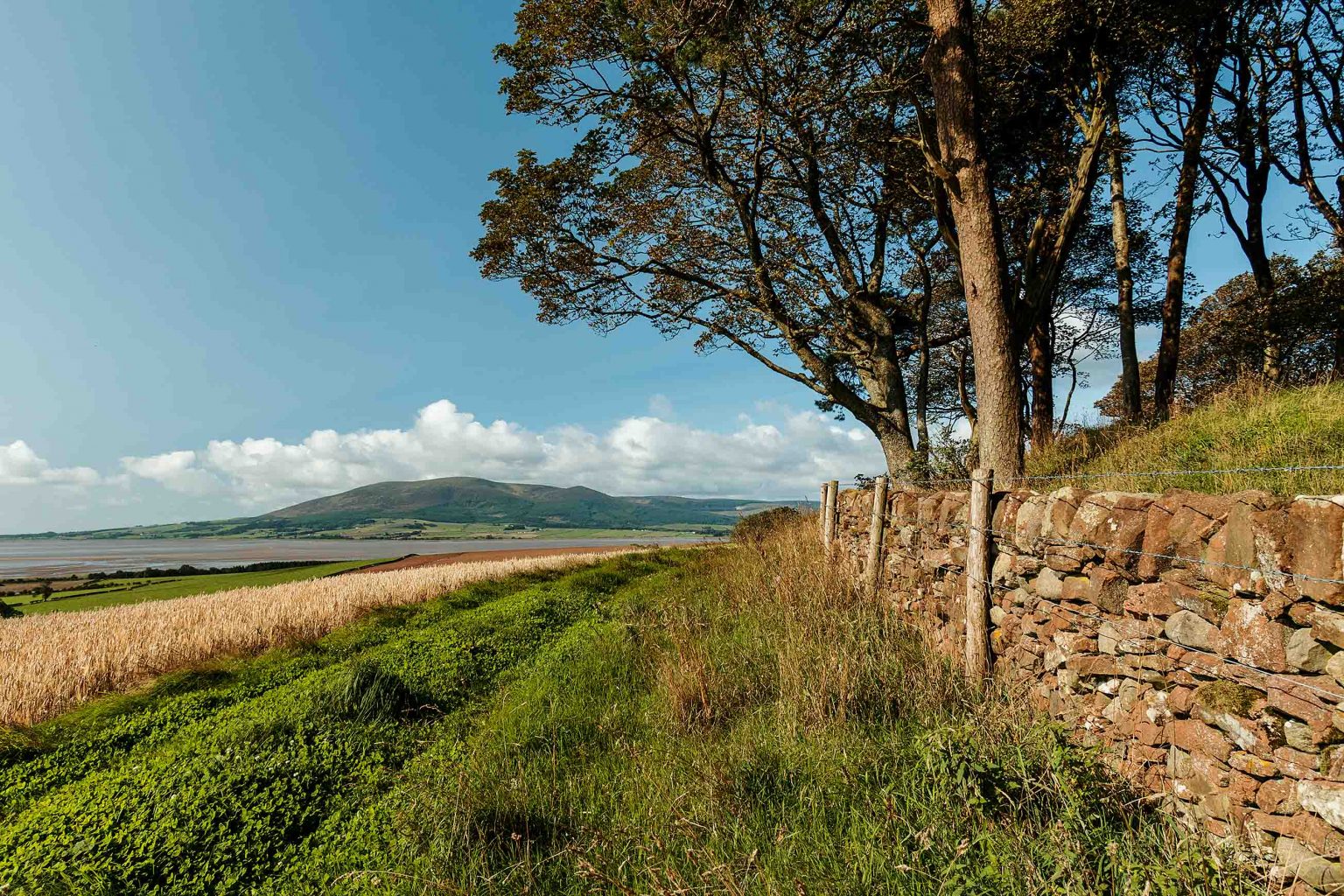
SLE member since 1946, Caerlaverock Estate contains around 6,000 acres including the Home Farm of about 1000 acres. It has been family owned for over 800 years. Caerlaverock Estate’s biodiversity project ‘Link Caerlaverock’ involves the creation of ponds, wildlife corridors and meadows, across their coastal location, to maximise the protection and restoration of Caerlaverock’s unique ecosystems and biodiversity. The project links existing and future biodiversity work done by neighbouring partners. The Wildfowl and Wetlands Trust and the Caerlaverock National Nature Reserve (run by NatureScot).
The ethos of Caerlaverock Estate is one of living in harmony with nature whenever possible with a commitment to conservation. Lady Clare Kerr, who inherited the Estate from her late grandfather, the Duke of Norfolk, took over the running in 2017. Lady Clare is very environmentally focused. The farm is experimenting with regenerative farming – less chemicals, etc., and field margins sowed with wildflowers. This project is a great example of how nature can be supported, alongside a productive farming enterprise. The Estate is conscious of increased rain levels leading to higher volumes of water runoff in shorter periods of time. Link Caerlaverock will mitigate and prepare for the impacts of Climate Change. They have designed the project with complete ecosystems in mind, to support all stages of breeding, hibernation and feeding cycles of the species they aim to provide habitat for. Caerlaverock is home to 10% of the UK’s breeding population of Natterjack toads. The project will also offer multiple habitats for a variety of other species. Showcases landscape-scale approach to nature restoration – a benefit of ownership at scale and partnership working.
Their ponds will:
- Prepare for coastal squeeze by creating future habitats along a corridor of land adjacent to the merse/SSSI NNR which is predicted to succumb to sea level rise.
- Absorb atmospheric carbon
- Slow water runoff from surrounding contoured areas
- Offer diffused pollution control and sediment settlement
The reserves surrounding areas on the Solway Coast host the majority of the Svalbard population of Barnacle geese in the winter months, which provide a spectacular sight and sound upon their arrival each Autumn.
The project, funded through the Scottish Government’s Nature Recovery Fund, will create:
- Around 5ha of species-rich meadows
- 16,000 m2 of general habitat and water restoration ponds, and 10,000 m2 of Natterjack toad ponds
- 2,558 metres of 6-metre-wide wildlife corridors
All leading to around 10ha of new habitat created. Their wildlife corridors will not only benefit songbirds, mammals and insects, but they will also provide a valuable carbon capture tool. Similarly, the rich species plant and grassland of our meadows will naturally capture carbon through plant life they support. These sites will contribute to more carbon capture than when previously used simply for cattle grazing. Caerlaverock are registering for Level 2 WES.
Caerlaverock can add scale to the region’s response to climate change through linking up with the work of their neighbours, to create a large-scale belt of biodiversity. Beyond the physical impact they can make, they can also use their project to promote a cultural impact. Through sharing their project with others, they can help educate people that biodiversity projects such as theirs go hand in hand with the fight against climate change. This can help others to understand what steps they might take to do the same.