

Convention on Biological Diversity COP17: Scottish estates already delivering for wildlife
From 19 to 30 October 2026, delegates from across the world are gathering in Yerevan, Armenia for the Seventeenth meeting of the Conference of the Parties to the United Nations Convention on Biological Diversity (CBD COP17).
A key element of COP17 is assessing progress on the implementation of the Kunming-Montreal Global Biodiversity Framework (KMGBF), which set 23 international targets for tackling the global nature crises.
KMGBF, of which the UK is a signatory, set targets for 2030, including:
Target 3: Conserve 30% of land, waters and seas
Target 6: Reduce the introduction of alien species by 50% and minimise their impact
Target 8: Minimise the impacts of climate change on biodiversity and build resilience
Target 10: Enhance Biodiversity and Sustainability in Agriculture, Aquaculture, Fisheries, and Forestry
Target 19: Mobilise $200 Billion per year for biodiversity from all sources, including $30 Billion through international finance.
The full list of targets can be found here: 2030 Targets (with Guidance Notes)
SLE members are already actively contributing towards many of these targets, exemplified by members who pursue accreditation through Wildlife Estates Scotland (WES). WES recognises and promotes exemplary sustainable land management that delivers demonstrable and lasting benefits for Scotland’s natural heritage, rural economy and communities through an objective accreditation system. Accreditation requires members to consider all aspects of their management in relation to conservation and biodiversity enhancement and set out key actions. Member highlights from 2026 demonstrate how much of the work currently being done by landowners across Scotland is relevant to the 2030 targets:
Grosvenor’s Reay Forest Estate in Sutherland spoke at the Scottish Parliament about their approach to landscape scale restoration and how they achieved Gold Level 2 accreditation.
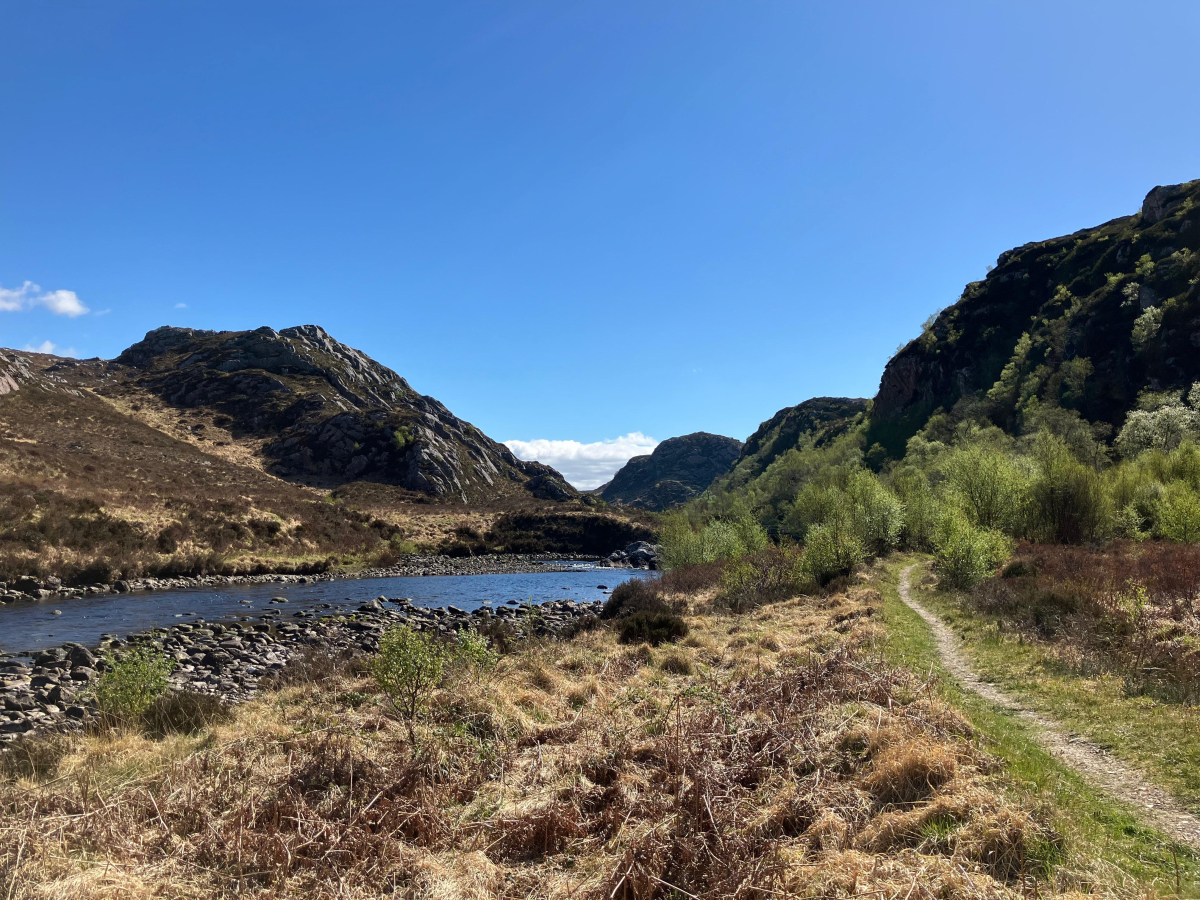
The Reay Forest team have undertaken a ‘ground truthing’ exercise, gathering data on soil, water, flora and fauna to enable more informed decision-making and promote nature recovery and climate resilience. They are also working with the Atlantic Salmon Trust to deliver a landscape-scale, ecosystem-wide project to restore critically endangered wild Atlantic salmon populations, with 118 km2 targeted for restoration.
Balruddrie Estate in Kinross-Shire renewed their Bronze Level 2 accreditation, marking over 40 years of hands-on habitat management. Key actions include woodland expansion, pond creation, hedgerow maintenance and riparian planting to stabilise riverbanks. Wildlife improvements have been delivered alongside low-intensity grazing and best practice bird rearing. This has resulted in a rich mosaic of grassland, woodland and wetland over a relatively small area of land.
The Macallan Estate in Speyside became the first whisky distillery to achieve accreditation. Substantial areas around operational buildings are being managed to support and enhance biodiversity alongside the establishment of native woodland and hedgerows. The estate team have restored and realigned the Burn of Ringorm, reopening the waterway for fish. The Estate is moving towards regenerative agriculture, including cover crops, reduced cultivation, lower pesticide use, restored field boundaries and natural wildflower margins. The interventions are being guided by a detailed five-year Ecosystem Restoration Plan.
Ballogie Estate in Aberdeenshire renewed its Silver Level 2 accreditation, a testament to their long-standing commitment to conservation and responsible land stewardship across all activities.
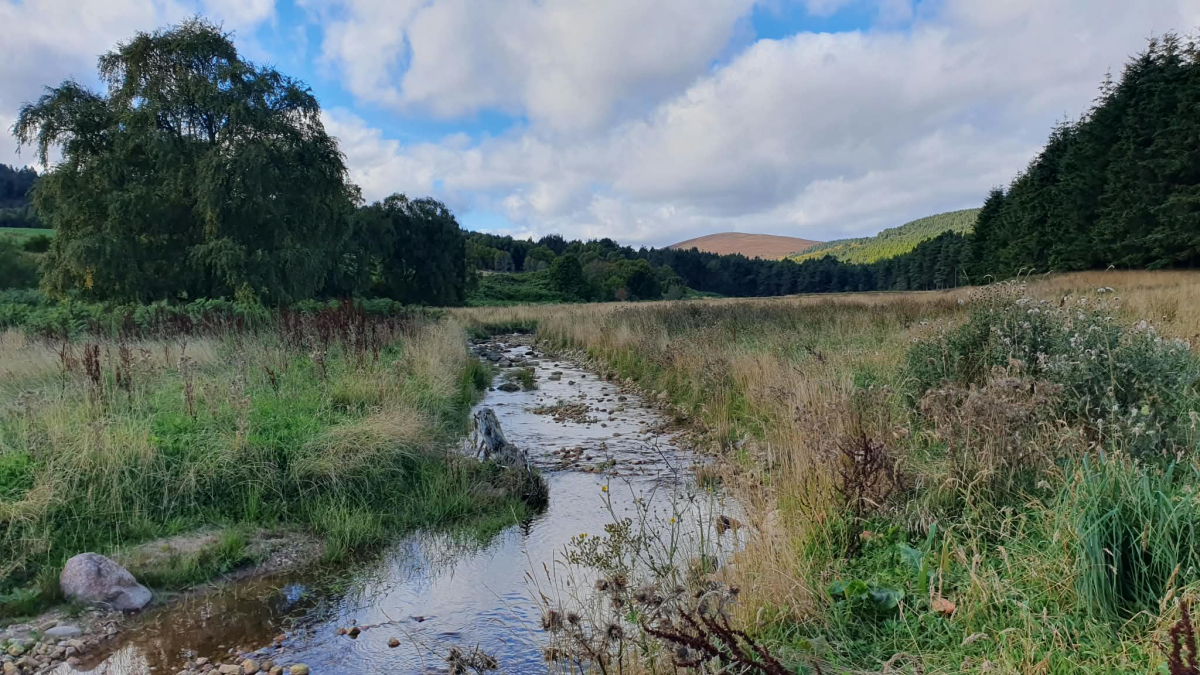 The Estate has undertaken a major restoration of the Cattie Burn, which is an important tributary for the River Dee Special Area of Conservation. Two weirs were removed, wetland developed and 700 meters of channel re-meandered. The project has benefitted amphibians, invertebrates, wading birds and Atlantic salmon.
SLE supports members to deliver for biodiversity through resources in the members area of our website as well as in-person events, such as our Walk and Talks. For any queries, please reach out to the SLE Policy Team. More information about WES and the accreditation process can be found here: Wildlife Estates Scotland | Scottish Land & Estates.
Comments